
Leave Your Message


In the highly regulated and complex ecosystem of hospitals and medical centers, patient care is defined not only by clinical expertise but also by the safety, hygiene, and privacy of the environment. Among the various fixtures within a patient ward, emergency department, or intensive care unit, the hospital cubicle curtain—commonly referred to as a privacy curtain—is one of the most frequently touched surfaces. While its primary function is to provide visual and acoustic privacy to patients during consultations, examinations, and recovery, its role in infection control is increasingly recognized as paramount. In busy clinical settings, healthcare workers, patients, and visitors touch these curtains multiple times a day. Consequently, these curtains can act as vectors for cross-contamination if not managed with rigorous hygiene protocols. This comprehensive guide explores the commercial landscape, technological advancements, and deep application scenarios of hospital cubicle curtains, highlighting why they are a cornerstone of modern healthcare facility design.
Modern clinical studies show that hospital cubicle curtains are rapidly colonized by pathogens, including MRSA and VRE, within 24 to 72 hours of installation. This has driven a massive industry shift toward active antimicrobial coatings and disposable non-woven technologies.
Historically, the healthcare industry relied almost exclusively on reusable fabric curtains, typically made of woven polyester. These curtains were laundered periodically and rehung. However, the commercial landscape of medical textiles has undergone a dramatic shift over the past decade. The primary driver of this shift is the growing awareness of Healthcare-Associated Infections (HAIs). According to the World Health Organization (WHO) and the Centers for Disease Control and Prevention (CDC), HAIs affect millions of patients globally, leading to extended hospital stays, increased medical costs, and significant mortality rates.
Laundering traditional curtains is not only logistically challenging but also financially burdensome. It requires significant water, energy, chemical detergents, and labor, alongside the downtime of the clinical space while curtains are being removed, washed, and reinstalled. In response, the commercial market has pivoted toward disposable, non-woven polypropylene (PP) cubicle curtains. These curtains offer an immediate, sterile solution that can be quickly replaced when contaminated or during routine room turnarounds. Today, the disposable cubicle curtain market represents a rapidly growing sector within medical consumables, driven by stringent hygiene regulations and the need for operational efficiency in high-throughput medical centers.
The manufacturing of hospital cubicle curtains is no longer just about textiles; it is an active field of materials science and chemical engineering. Modern disposable curtains are frequently integrated with antimicrobial agents during the polymer extrusion process. The most common technology utilizes silver ions ($Ag^+$), which are embedded within the non-woven polypropylene fibers. Silver ions act by disrupting the bacterial cell wall, inhibiting respiration, and preventing DNA replication, effectively killing pathogens that land on the curtain surface. Other advanced formulations use copper-ion technology or organosilane quaternary ammonium compounds to achieve a similar broad-spectrum kill rate.
Furthermore, fire safety is non-negotiable in healthcare facilities. Cubicle curtains must comply with strict fire safety standards, such as NFPA 701 in the United States and BS 5867 Part 2 Type B & C in the United Kingdom. Traditional curtains require topical flame-retardant treatments that can wash out over time. In contrast, high-quality disposable PP curtains have flame-retardant additives melted directly into the polymer matrix, ensuring permanent flame retardancy for the lifetime of the curtain.
Hospital cubicle curtains are not one-size-fits-all; different clinical departments have unique requirements:
For hospital procurement officers, the decision between reusable and disposable curtains often comes down to financial metrics. A comprehensive Total Cost of Ownership (TCO) analysis reveals that disposable curtains frequently offer significant savings when accounting for the following factors:
Direct Laundry Costs: Laundering a single reusable curtain can cost between $10 and $20 when accounting for water, electricity, specialized sanitizing chemicals, and logistics. Over a year, multiple wash cycles quickly exceed the purchase price of a disposable curtain. Additionally, the physical process of laundering degrades the fabric and any post-treatment chemical coatings over time, requiring more frequent replacements.
Labor Efficiency: The labor cost of removing, transporting, washing, and rehanging reusable curtains is substantial. With quick-change disposable curtains, labor time is reduced by over 90%, freeing up environmental services staff to focus on other high-touch cleaning tasks. A quick-change disposable curtain can be replaced by a single nurse or housekeeper in less than 60 seconds without requiring a ladder.
Bed Downtime: A bed that cannot be occupied because the privacy curtain is missing or being replaced represents a loss of revenue for the hospital. Disposable curtains allow for near-instantaneous room turnover, directly improving patient throughput and operational efficiency.
Mitigation of HAI Penalties: In many healthcare systems, hospitals face financial penalties or reduced insurance reimbursements for high rates of HAIs. Investing in antimicrobial disposable curtains is a proactive measure that can save hospitals millions of dollars in potential penalties and extended patient stays.
As hospitals aim for net-zero carbon emissions, the environmental impact of disposable items is under scrutiny. Leading manufacturers are addressing this by producing curtains from 100% recyclable polypropylene. Once used, these curtains can be collected in dedicated recycling streams, shredded, melted, and repurposed into non-clinical plastic products, thereby minimizing landfill waste. This circular economy approach ensures that hospitals can maintain the highest standards of hygiene without compromising their environmental responsibilities.
Clean Technology with a Purpose, Defining Application Standards. Since 2009
We have spent the last 17 years perfecting the science of non-woven fabrics and microfiber cleaning. But our expertise goes beyond materials—it extends to our responsibility to the earth. Sustainability is at the heart of our production. We rigorously track and minimize the carbon footprint of our products, ensuring that our cleaning solutions leave the world cleaner in every sense.
From our first day in 2009 to today, our drive remains the same. We are committed to continuous improvement, ensuring that every product we deliver isn't just a tool, but a solution that surpasses your expectations.


We believe that true cleanliness requires context. Understanding that different industries face unique challenges, we evolved our business into four specialized B2B brands, each offering a complete, scenario-based solution:


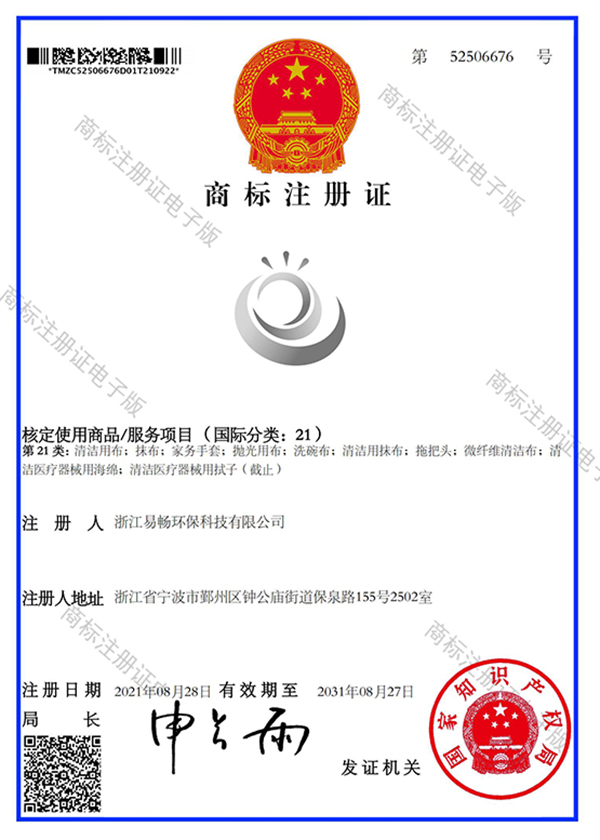
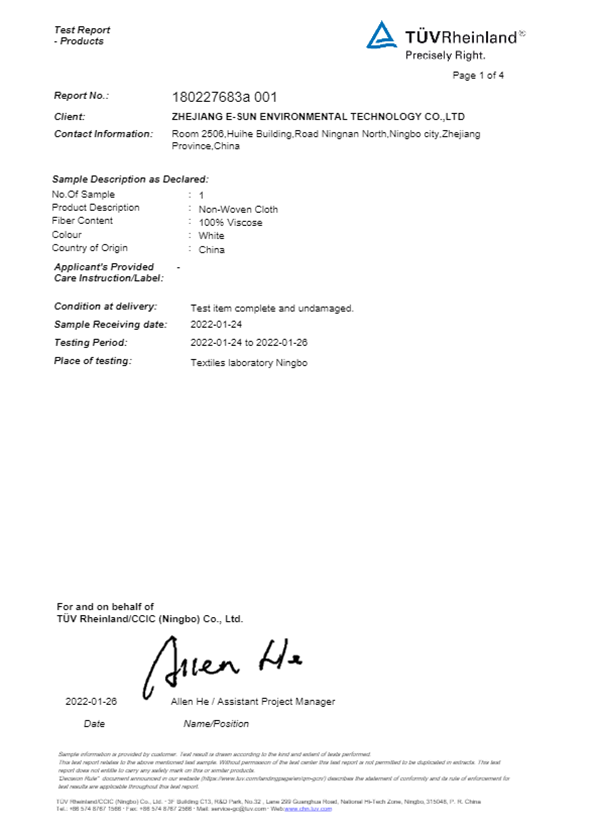
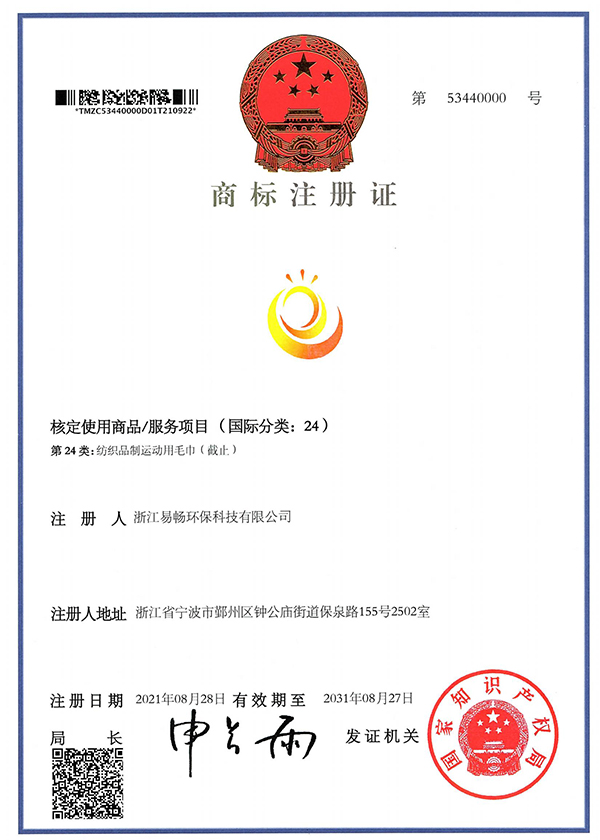
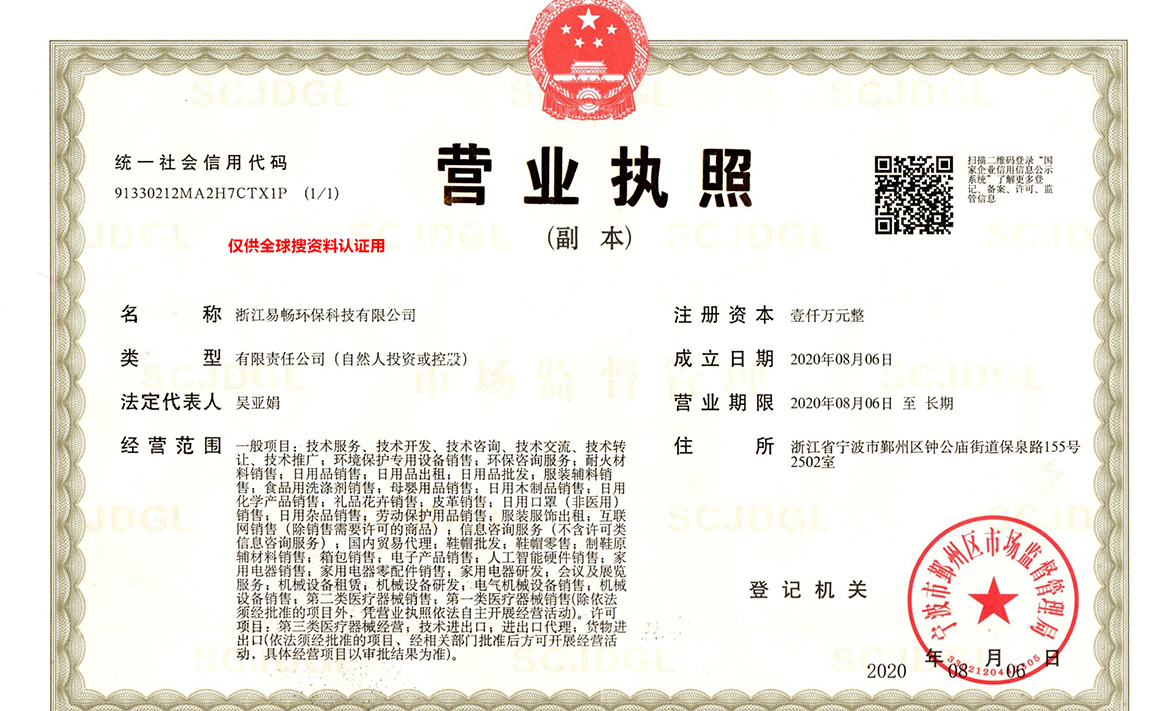
Expert in Microfiber, Solution of Hygiene Cleaning
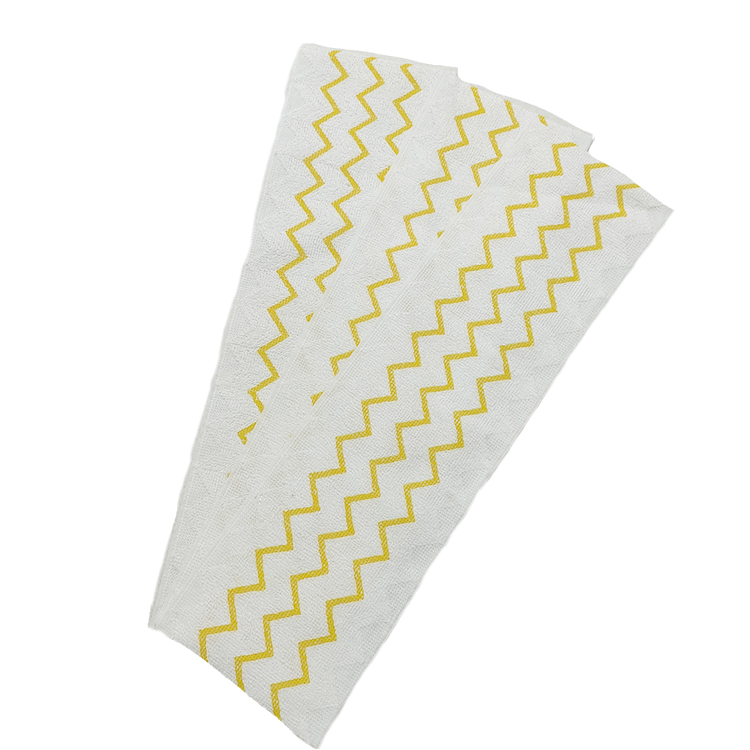



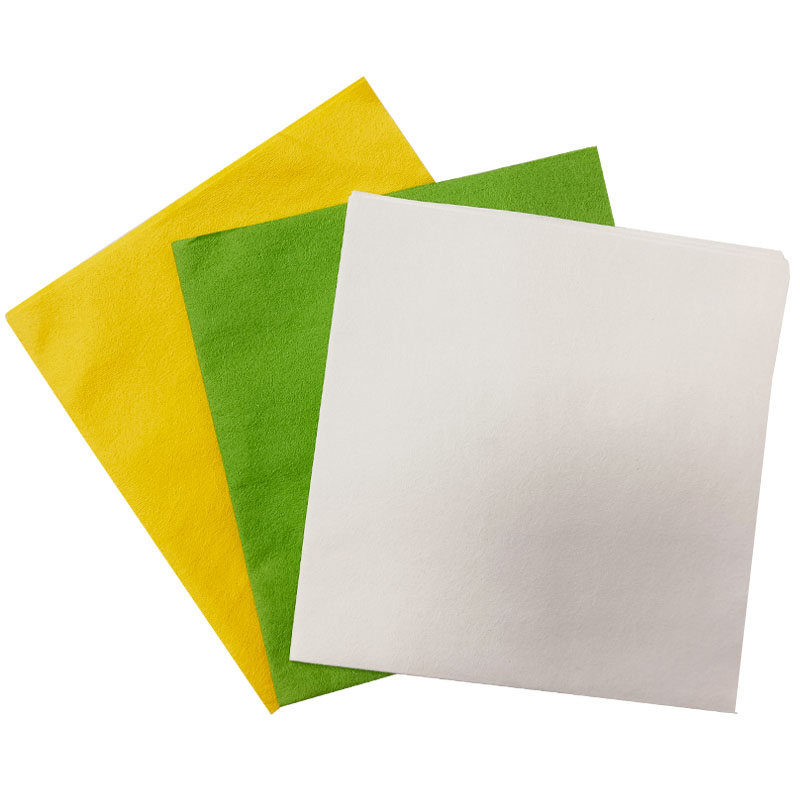


Factory covers an area of 2400 square meters and 200 square meters of a product research & development center.
5 product research & development personnel and 2 brands.
A complete set of ISO9001 quality system and product testing system.
Our factory passes the strictest BSCI Audit.
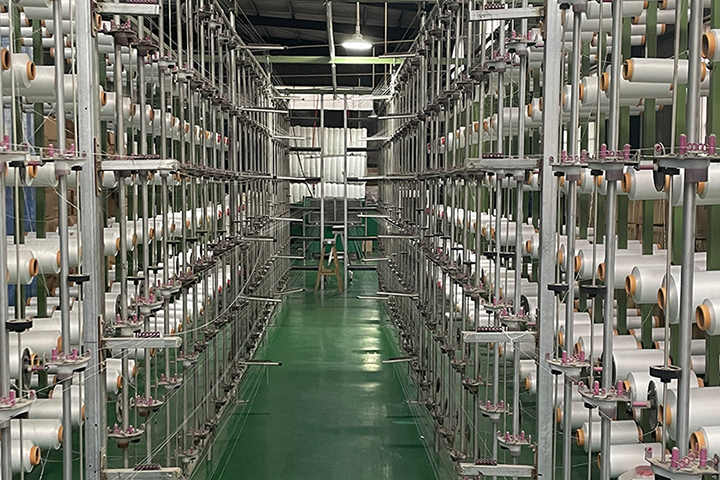
First-class R & D team and advanced machinery and equipment.
Disposable mop annual production capacity 4000w pieces.
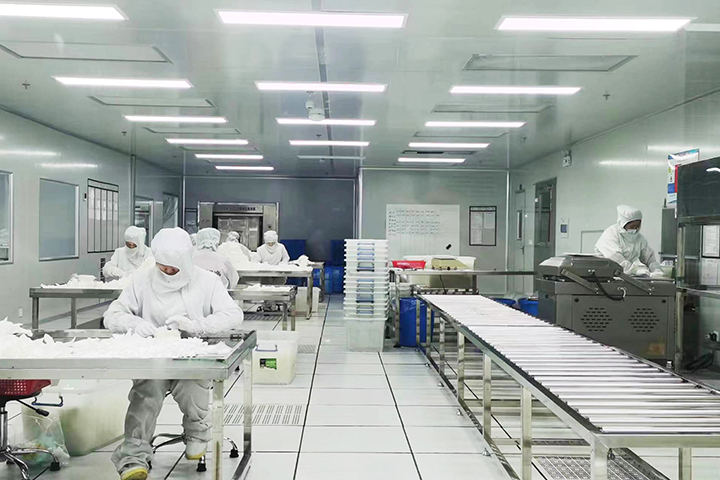
E-sun has a firm awareness about the importance and value of hygiene cleaning, that is why we pay more attention on disposable microfiber cleaning which can remove 99% microbes and have great cleaning function.
Hygiene cleaning 11+ years
Strict quality control
OEM or ODM both welcome
Excellent R & D Team
Shipment in time
Quick response and best service
Given that your requirements are detailed enough, our team provides samples for products. We can provide free samples, but you need to cover the delivery fee.
3 steps-Internal inspection during production, and 2 steps-after production. Each carton can be tracked with the related worker at any time. Third party inspection acceptable.
To be the favorite supplier, a respectable company and a Symbiotic Organization;
Being people: Honest and Reliable; Doing things: Professional and Efficient; Relationship: Simple and Pure;
With an Altruistic Heart / Maintain Lifelong Learning and Growth / Cooperation for Long-Term Common Prosperity
Rely on our ultrafine microfiber cloths as your trusted partner in the cleaning industry, offering extended durability and unwavering dedication to service.


 Send Email
 whatsapp