
Leave Your Message
Engineered for High-Traffic Clinical Environments, Emergency Wards, and Sterile Surgical Units.


Kazakhstan, the economic powerhouse of Central Asia, is currently undergoing a massive transformation in its healthcare infrastructure. Backed by government modernization initiatives such as the national healthcare development programs, both public and private sectors are investing heavily in upgrading hospitals, outpatient clinics, and specialized surgery centers across key cities like Almaty, Astana, Shymkent, and Karaganda. This rapid expansion has generated an unprecedented demand for high-quality medical supplies, specifically advanced surgery curtains and hospital cubicle partition systems that comply with stringent sanitary-epidemiological standards (SanPiN) of the Republic of Kazakhstan.
Nosocomial infections, or Healthcare-Associated Infections (HAIs), pose a continuous threat to patient recovery rates and clinical safety. In surgery rooms, intensive care units (ICUs), and recovery wards, curtains act as high-touch surfaces. Traditional cotton fabrics often harbor pathogens for extended periods. The modern trend in Kazakhstan's healthcare sector is shifting rapidly toward antimicrobial, flame-retardant, and disposable non-woven PP (polypropylene) medical partition curtains to prevent cross-contamination.
In the extreme continental climate of Kazakhstan, where indoor air circulation and climate control systems are heavily relied upon during freezing winters and hot summers, dust and airborne pathogen control becomes a top priority. Traditional heavy hospital drapes require frequent laundering at high temperatures, consuming massive amounts of water, energy, and chemical detergents. This has led many leading medical institutions, such as the National Scientific Medical Center in Astana, to explore OEM disposable surgery curtains.
Disposable non-woven polypropylene curtains treated with permanent antibacterial agents offer a cost-effective, highly sterile alternative. They can be quickly replaced between patient rotations, minimizing downtime in operating theaters and emergency departments. Furthermore, our customized OEM services allow Kazakh hospitals to order custom lengths, custom mesh top heights (to comply with local fire sprinkler ventilation codes), and specific hook configurations that match pre-existing track systems.
Clean Technology with a Purpose, Defining Application Standards.
Our journey began 17 years ago, perfecting the science of non-woven fabrics and microfiber cleaning. Today, our expertise extends far beyond standard materials. We operate with a deep commitment to environmental responsibility. By rigorously tracking and minimizing the carbon footprint of our manufacturing processes, we ensure that our medical curtains and hygiene products leave the world cleaner in every sense.
For the Kazakh market, we provide tailored medical textiles that meet both the performance expectations of surgeons and the environmental goals of modern hospital administrators. From raw material sourcing to final packaging, every step is optimized for sustainability and safety.

We understand that medical cleanliness and patient privacy are context-dependent. Different clinical zones face distinct challenges. To address these needs, we have structured our B2B brand portfolio into four specialized divisions, each delivering scenario-based solutions:
Our commitment to continuous improvement ensures that every roll of fabric and finished curtain surpasses international medical standards. Operating from a state-of-the-art facility covering 2,400 square meters, supported by a 200-square-meter product research and development center, we bring together advanced machinery and a first-class R&D team to serve the Kazakhstan medical market.
With an annual production capacity of 40 million disposable mop pads and medical textiles, we guarantee stable lead times, prompt shipping via reliable overland rail routes directly to Almaty and Astana, and rigorous quality control at every stage of production.

Our production lines undergo rigorous audits to meet the strict demands of European and Central Asian healthcare procurement agencies.


Our manufacturing plant operates under a complete ISO9001 quality system and a comprehensive product testing protocol. We pass the strictest BSCI audits annually, demonstrating our commitment to ethical labor practices and environmental stewardship. By maintaining direct control over the extrusion, weaving, and treatment processes, we ensure that our permanent antibacterial and flame-retardant curtains maintain their properties even after multiple sterilization or washing cycles.


From initial design concepts and fabric testing to custom branding and customs clearance documentation.
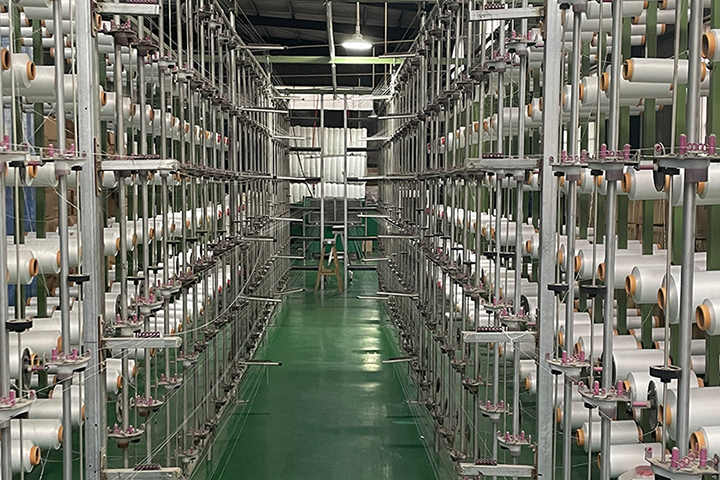
We understand that hospital layouts in Kazakhstan vary from Soviet-era municipal buildings to ultra-modern private clinics. Therefore, standard sizes rarely fit perfectly. Our engineering team provides custom prototyping to match your exact specifications:
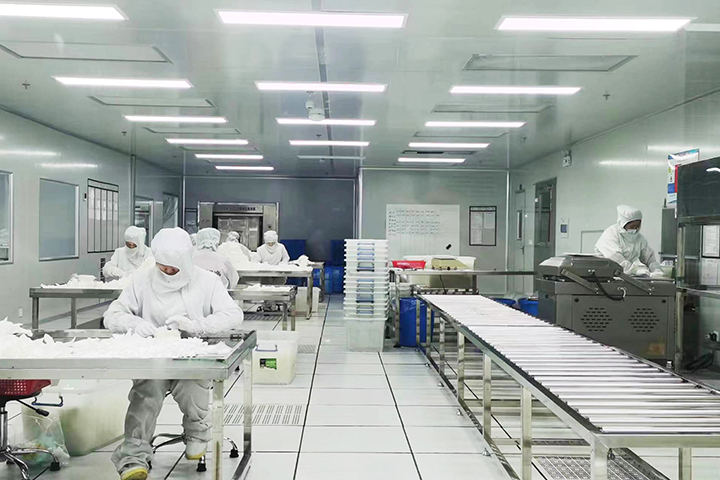
E-sun has maintained a firm awareness of the importance and value of clinical hygiene. By focusing on advanced disposable and reusable microfiber materials, we deliver curtains that remove up to 99% of surface microbes, providing a safer environment for patients and medical staff.
To be the favorite supplier, a respectable company, and a Symbiotic Organization. We believe that business success is built on core values:
Being People: Honest and Reliable.
Doing Things: Professional and Efficient.
Relationships: Simple and Pure.
With an altruistic heart, we maintain lifelong learning and growth, striving for long-term common prosperity with our partners in Kazakhstan and across Central Asia. Clean with Confidence, Clean with Precision.
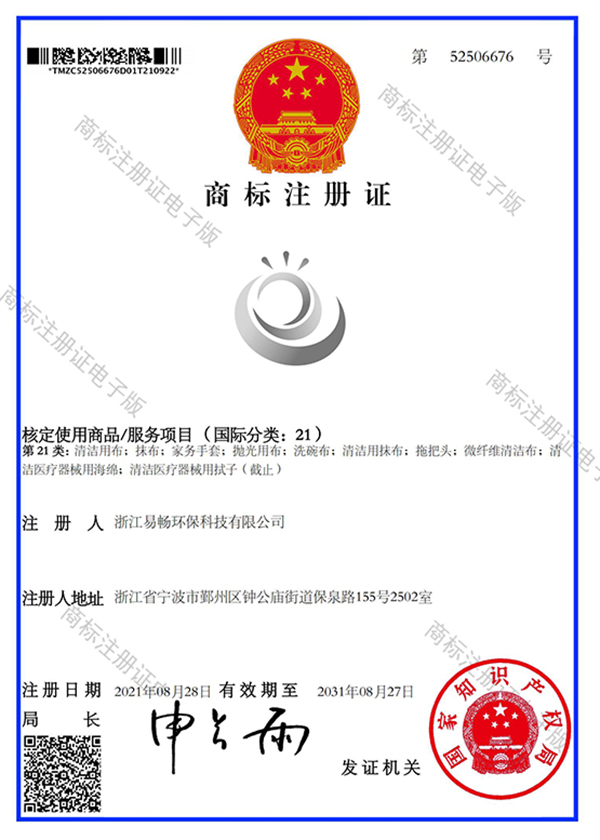
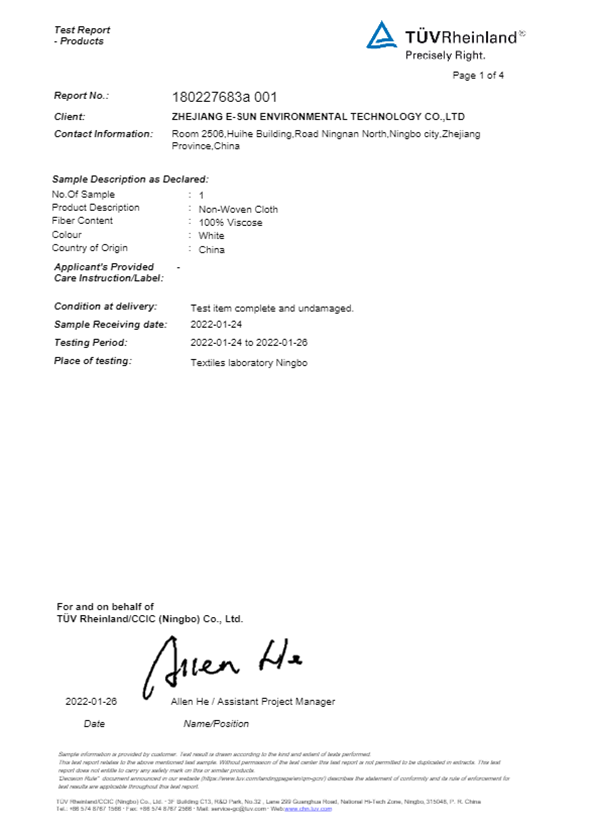
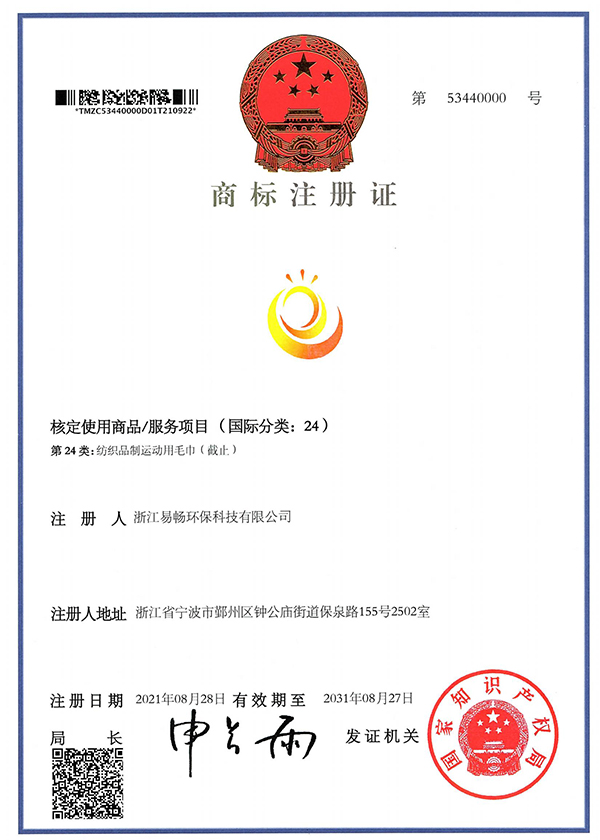
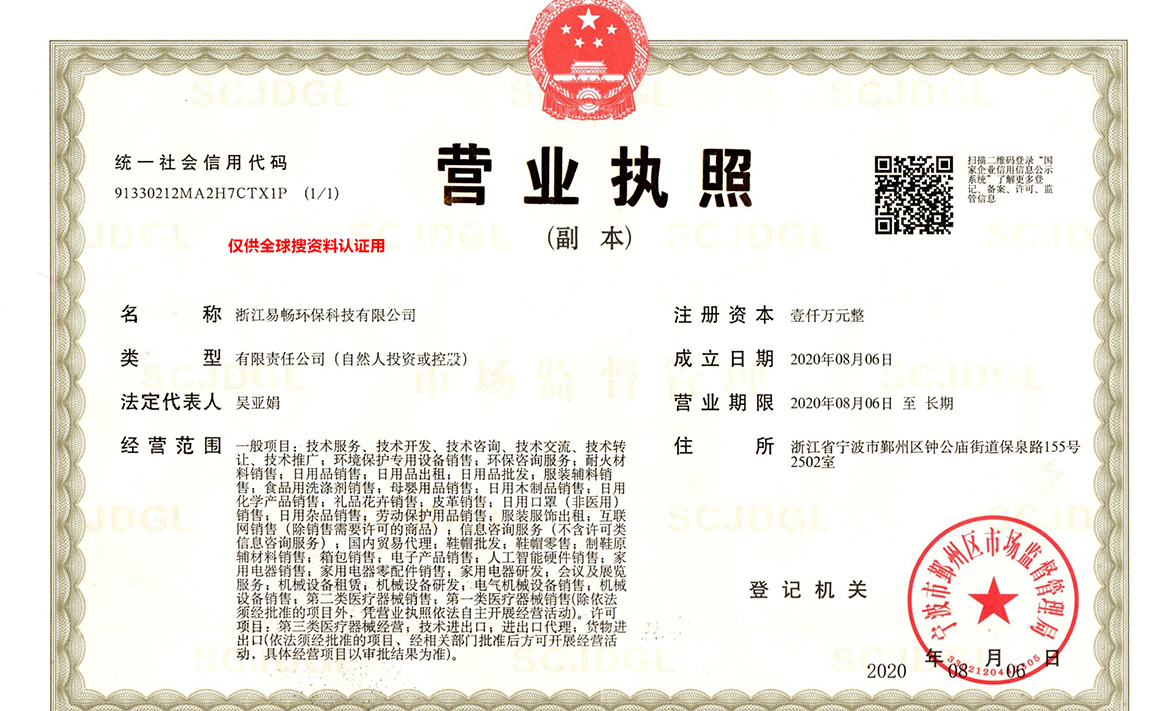
Our engineers, textile scientists, and customer service representatives are committed to delivering excellence.


Explore our full catalog of antimicrobial, flame-retardant, and disposable medical curtains designed for Kazakhstan's healthcare sector.


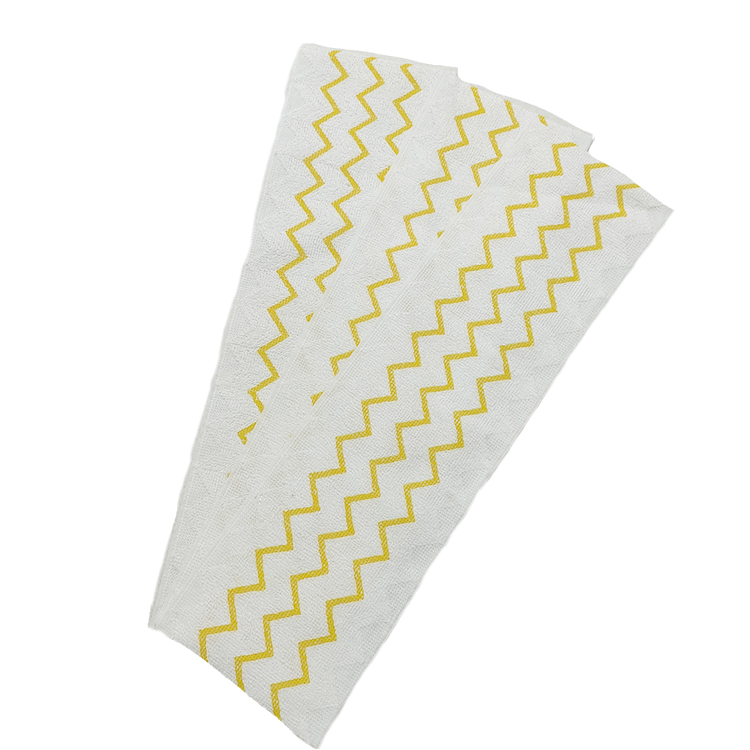
In addition to our premium surgery curtains, we manufacture high-performance cleaning textiles to maintain clinical hygiene standards.






 Send Email
 whatsapp