

 Send Email
 whatsapp


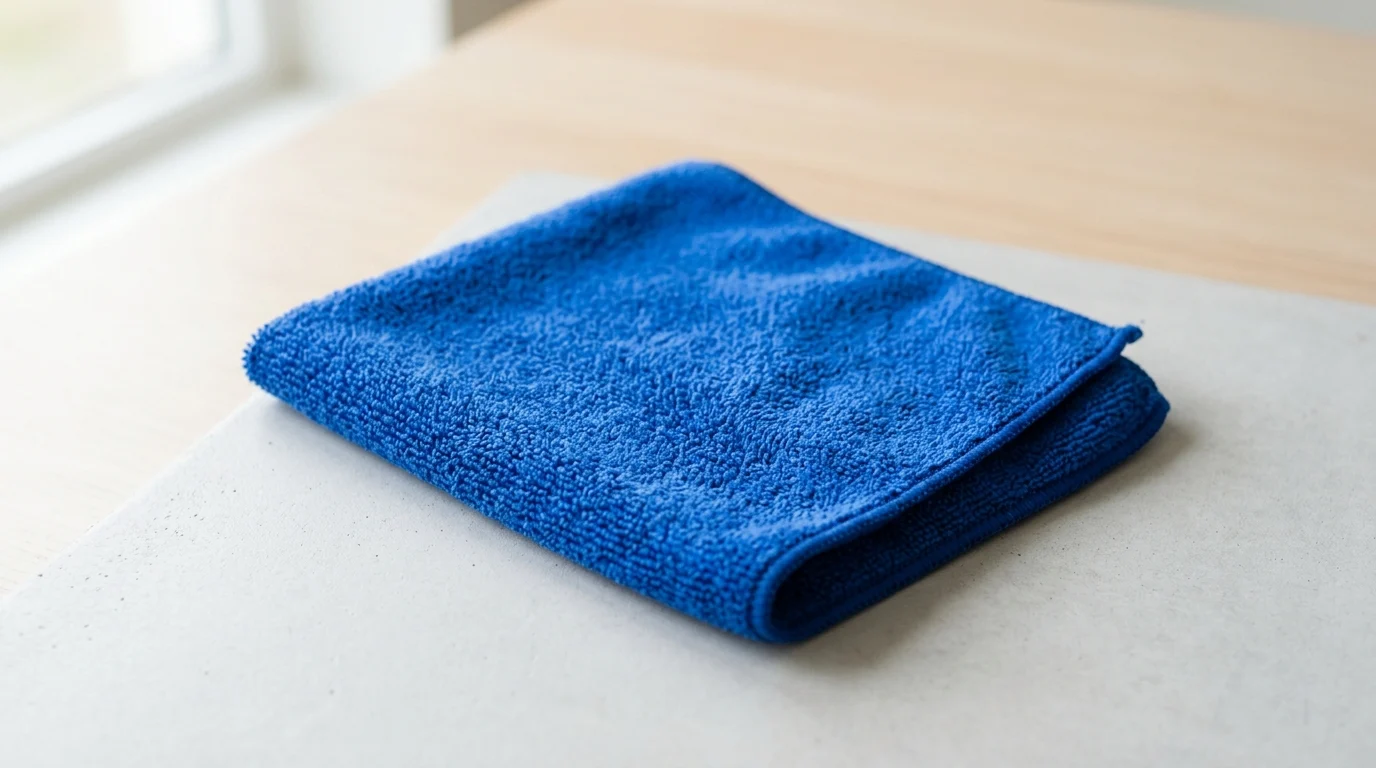
A Microfiber Cloth may look simple, but in a commercial setting it can affect labor efficiency, hygiene outcomes, surface protection, and long-term supply costs. The difference between a well-engineered cloth and a low-grade wipe often comes down to details such as split fiber structure, GSM, weave, edge finish, and laundering durability. Businesses that treat microfiber as a commodity risk smearing contaminants, shortening product life, or damaging high-value surfaces. This guide explains how to evaluateMicrofiber Cleaning cloths with a buyer’s eye, so you can match the right textile to the job, control replacement costs, and maintain consistent cleaning standards.
Why Microfiber Cleaning Cloth Choice Matters for Businesses
Selecting the right cleaning materials is a critical decision for businesses. The transition from traditional cotton to advanced synthetic textiles has revolutionized commercial cleaning routines, primarily due to the high absorption and trapping capabilities of synthetic fibers. However, treating all synthetic wipes as identical commodities can undermine efficiency and sanitation standards. A strategic approach to selection ensures you maximize your investment while maintaining rigorous cleanliness.
What defines a quality microfiber cleaning cloth
A high-performance textile is determined by its fiber splitting process, material composition, and denier rating (a unit measuring thread thickness). Commercial-grade fibers are typically manufactured at 0.1 to 0.2 denier. While marketing materials often cite them as being approximately 100 times finer than a human hair, actual thickness varies widely by manufacturer. When evaluating a commercial microfiber cleaning cloth from a vendor, buyers must verify that the fibers are structurally split during manufacturing. This splitting creates microscopic crevices that act as tiny scoops to trap debris and moisture, rather than merely spreading them around. Manufacturers often claim these split cloths can absorb five to seven times their weight in liquid and remove a high percentage of surface bacteria using only water. However, these figures are based on controlled laboratory tests; real-world absorption and efficacy depend heavily on the specific manufacturer, laundering conditions, and proper usage.
What risks come from choosing the wrong cloth
Buying substandard textiles introduces risks that quickly negate any initial savings. Unsplit or poorly manufactured cloths lack the necessary capillary action, meaning they merely smear contaminants over surfaces. This increases the risk of cross-contamination in sensitive healthcare or food service environments. Furthermore, low-grade options degrade rapidly. While a high-quality commercial cloth is typically rated to withstand 300 to 500 commercial laundering cycles, inferior alternatives often lose their structural integrity, melt, or begin shedding excessive microplastics and lint after just 50 washes. It is also important to note that microfiber has limitations: high-heat drying can melt the synthetic fibers, and certain disinfectant chemistries can bind to the cloth, reducing their efficacy. Ultimately, substandard textiles lead to higher long-term costs and introduce the risk of micro-scratching on expensive assets like automotive clear coats, optical glass, or high-gloss architectural finishes.
Key Microfiber Cleaning Cloth Specifications to Compare
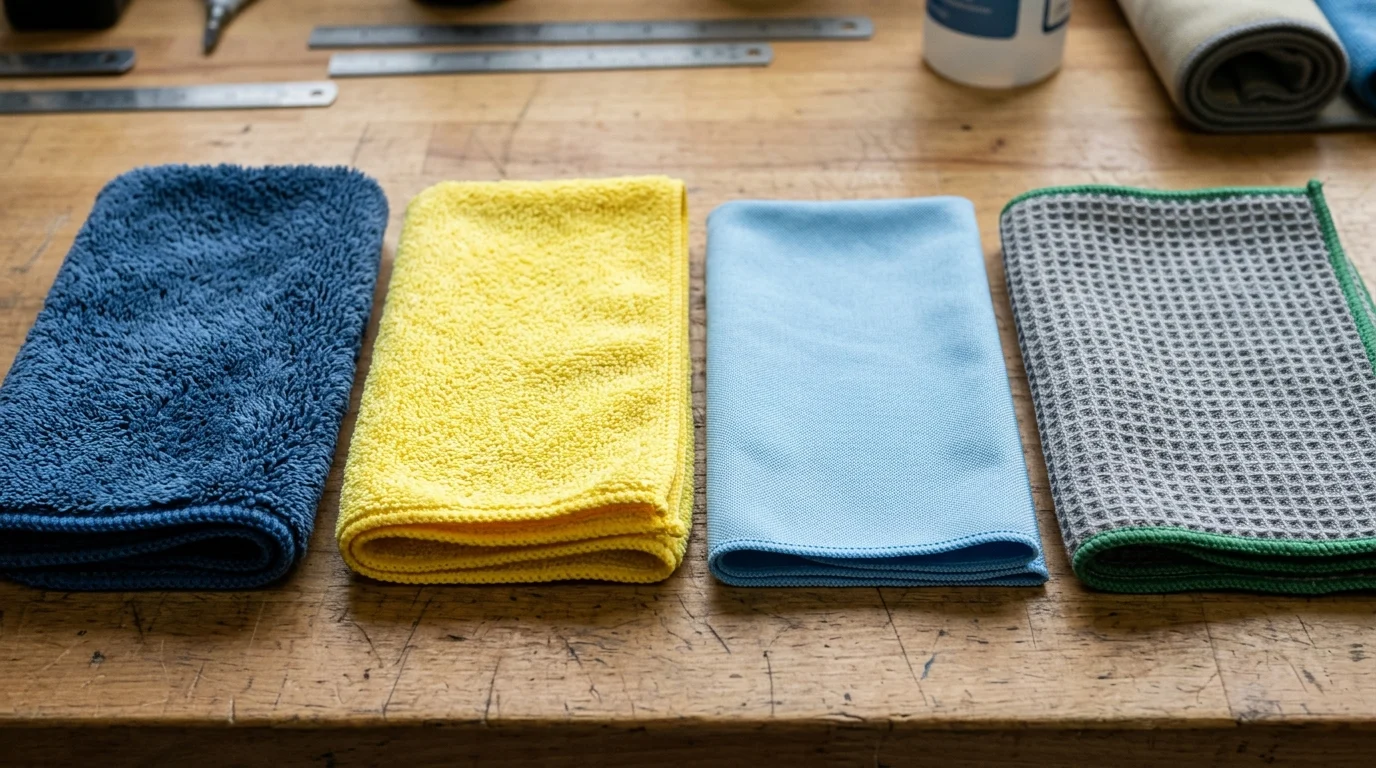
Evaluating commercial textiles requires a systematic approach to technical specifications. Buyers must look beyond subjective descriptions of softness and analyze the quantifiable metrics that dictate a cloth's durability, absorption rate, and suitability for specific tasks. Relying on technical data sheets ensures the chosen materials will perform consistently under the rigors of daily use.
How GSM, fiber blend, weave, and edge finish affect
performance
Four primary specifications dictate textile performance: Grams per Square Meter (GSM), fiber blend, weave type, and edge finish. GSM measures the density and weight of the fabric. A lightweight 200 GSM cloth is thin and ideal for streak-free glass cleaning, while a robust 300 to 400 GSM cloth offers the absorbency required for heavy-duty surface wiping. The fiber blend typically consists of polyester for scrubbing power and polyamide for absorption. An 80/20 polyester-to-polyamide ratio serves as the industry standard for general janitorial cleaning, whereas a 70/30 blend provides higher absorbency for specialized tasks. Weave types also vary significantly: terry weaves handle general dust, waffle weaves excel at rapid liquid absorption, and pearl weaves are engineered for optical clarity. Finally, edge finish refers to how the borders are sealed to prevent fraying. This ranges from standard overlock stitching for structural durability to ultrasonic cut edges that eliminate thread entirely to prevent scratching delicate surfaces.
How to compare commercial microfiber cloth options
To effectively evaluate professional options, utilize a standardized comparison framework that aligns specifications with intended applications. Analyzing these metrics side-by-side prevents costly over-specification.
| Specification | Lightweight (Glass/Mirrors) | Standard (Janitorial) | Heavy-Duty (Detailing) |
|---|---|---|---|
| GSM Range | 200 - 250 GSM | 300 - 350 GSM | 400 - 600+ GSM |
| Optimal Blend | 80/20 Poly/Polyamide | 80/20 Poly/Polyamide | 70/30 Poly/Polyamide |
| Weave Type | Flat / Pearl | Terry Loop | Plush / Waffle |
| Edge Finish | Overlock | Overlock / Banded | Ultrasonic / Silk-banded |
| Wash Lifespan | ~200 Cycles | ~300 Cycles | ~500 Cycles |
Note: The wash-lifespan numbers above are approximate manufacturer estimates. Actual longevity varies widely based on laundering conditions, chemical exposure, and water temperature.
Using this matrix ensures that an organization looking for a standard microfiber cloth for cleaning does not overspend on high-GSM plush towels for simple desk wiping, nor compromise finish quality by utilizing abrasive weaves on sensitive automotive clear coats.
How to Choose Microfiber Cleaning Cloths in Bulk
Transitioning from individual retail purchases to bulk commercial sourcing requires careful attention to supply chain logistics, quality assurance, and workflow integration. Strategic procurement secures volume pricing and ensures a consistent supply of specialized materials tailored to your specific cleaning routines.
What to check in sourcing, compliance, and packaging
When ordering in high volumes, establish clear parameters regarding Minimum Order Quantities (MOQs), regulatory compliance, and packaging. Direct factory sourcing generally requires MOQs ranging from 5,000 to 10,000 units per color or specification. These figures vary by supplier, so always negotiate minimums and request physical samples before committing. Evaluate these samples by performing simple absorption tests (checking how quickly they soak up a measured spill) and lint tests (wiping a mirror to check for residue). To mitigate supplier inconsistency, consider arranging pre-shipment inspections for bulk orders.
It is critical to request and verify third-party test reports from independent labs. While many manufacturers cite ISO 9001, this only certifies their quality management systems, not the performance of the textile itself. Look for specific, verified lab tests—such as relevant AATCC or ASTM textile standards—confirming fiber splitting and colorfastness, which prevents dyes from bleeding in commercial washing extractors.
Key Takeaways
- Verify that microfiber cloths use structurally split fibers, because split fibers trap debris and moisture more effectively than unsplit textiles.
- Compare GSM, fiber blend, weave type, and edge finish before buying, since each specification affects durability, absorption, and surface safety.
- Choose commercial-grade cloths rated for roughly 300 to 500 laundering cycles to reduce replacement costs over time.
- Avoid high-heat drying, fabric softeners, and incompatible disinfectants because they can damage microfiber fibers or reduce cleaning performance.
- Match the cloth to the task, using softer, lint-free options for delicate surfaces and more durable weaves for heavy commercial cleaning.
Frequently Asked Questions
What makes a microfiber cleaning cloth commercial grade?
A commercial-grade cloth typically uses split fibers, a suitable GSM, durable stitching, and a task-appropriate weave. Split microfiber is especially important because it creates microscopic channels that trap soil and moisture instead of pushing them around.
What denier should I look for in a microfiber cleaning cloth?
Many commercial microfiber cloths are made with fibers around 0.1 to 0.2 denier. Lower denier fibers are finer, but performance also depends on fiber splitting, blend, weave, and manufacturing quality.
How long should a high-quality microfiber cloth last?
A well-made commercial microfiber cloth is often rated for about 300 to 500 laundering cycles when washed correctly. Low-grade cloths may degrade, shed lint, or lose performance after far fewer washes.
Why is split microfiber important?
Split microfiber creates tiny crevices that improve absorption and help capture dust, debris, and moisture. Unsplit or poorly split fibers are less effective and may smear contaminants across surfaces.
Can microfiber cloths remove bacteria with only water?
Quality split microfiber can remove a high percentage of surface bacteria in controlled testing, but real-world results depend on the cloth, cleaning method, laundering process, and surface conditions. It should not replace required disinfecting protocols.