

 Send Email
 whatsapp


Achieve Flawless Surfaces With Microfiber Towels

Experience truly spotless cleaning with advanced tools. Many cleaning methods often leave behind frustrating streaks and residue. Microfiber Towels provide an ultimate solution for pristine results. A high-qualitymicrofiber towel traps dirt effectively. This reusable microfiber towel acts as a superior microfiber cleaning cloth, unlike a standard microfiber cloth.
Key Takeaways
- Microfiber towels clean surfaces very well. They have tiny fibers that trap dirt and absorb liquids. This helps them clean better than regular cloths.
- These towels help keep things clean and safe. They remove many germs without needing harsh chemicals. This makes cleaning healthier for everyone.
- Microfiber towels last a long time. They can be washed many times. This saves money and reduces waste compared to using disposable cleaning items.
The Science Behind Superior Cleaning with Microfiber Towels

Microfiber technology represents a significant advancement in cleaning science. Its effectiveness stems from a unique structural design, allowing for deep cleaning, efficient dirt trapping, and remarkable absorption. Understanding these scientific principles reveals why microfiber outperforms traditional cleaning materials.
Unique Microfiber Structure for Deep Cleaning
Microfiber materials possess an exceptionally fine structure. A synthetic fiber with a diameter of less than one denier or decitex/thread defines microfiber. Specifically, its diameter measures less than ten micrometers. For Cleaning Towels, microfiber fibers are typically less than one denier in diameter. This measurement is significantly finer than human hair. This fineness dramatically increases the surface area, enhancing the material's ability to trap dust and particles.
Microfiber used in cleaning materials has a fiber thickness of less than 1 denier. This is approximately 1/100th the diameter of a human hair. More precisely, the fiber diameter ranges from 0.1 to 0.3 dtex, contrasting with cotton's 1–2 dtex. The manufacturing process involves splitting these fibers. This splitting creates millions of microscopic channels. These channels facilitate capillary action, pulling water away from surfaces. The splitting also forms soft, flexible strands. These strands gently lift water and dirt, minimizing surface friction. This reduces the risk of scratches compared to rougher materials.
How Microfiber Towels Trap Dirt and Grime
The split fiber structure of Microfiber Towels plays a crucial role in trapping dirt. The splitting process creates wedge-shaped cross-sections with sharp edges. These edges effectively scrape up dirt from surfaces. The fiber core channels water through capillary action, acting like thousands of tiny straws. This design creates spaces between the fibers, crucial for effectively trapping moisture and particles.
Microfiber cloths also generate an electrostatic charge. This occurs through the triboelectric effect. Polyester and nylon fibers, having different electron affinities, rub together. Polyester gains electrons from nylon, resulting in the cloth accumulating a negative charge. This charge then creates a Coulomb force, an electrostatic attraction. This force acts like an invisible magnet, attracting and trapping dust and dirt particles. As microfiber glides over surfaces, it generates a static charge. This charge pulls in dust and pollen, even from hard-to-reach crevices. This electrostatic property ensures dirt clings to the towel instead of being pushed around.
Unmatched Absorption Capacity of Microfiber Towels
The unique structure of microfiber also contributes to its superior absorption capabilities. The microscopic channels created by the split fibers facilitate capillary action. This allows the towels to absorb substantial amounts of liquid. Microfiber fibers, due to their increased surface area and star shape, are capable of absorbing up to seven times their weight in liquid. The University of Washington Department of Environmental & Occupational Health Sciences (2011) supports this fact.
Microfiber Towels typically possess a liquid absorption capacity of seven times or more their own weight. For instance, a 100-gram towel can absorb 700 grams of water. This remarkable capacity makes them highly efficient for spills and drying tasks. These towels soak up approximately seven times their weight, highlighting their significant absorption capacity. This characteristic makes them indispensable for various cleaning applications.
Unlocking Flawless Results: Key Benefits of Microfiber Towels
Microfiber technology offers significant advantages beyond its scientific structure. These benefits translate directly into superior cleaning outcomes, improved hygiene, and long-term value for users across various applications.
Achieve Streak-Free Perfection with Microfiber Towels
Achieving a perfectly clear, streak-free surface often presents a challenge with traditional cleaning cloths. Microfiber Towels, however, consistently deliver impeccable results, especially on glass, mirrors, and polished surfaces. They possess unique properties that prevent the formation of unsightly streaks and residue.
- Lint-Free Properties: Microfiber cloths do not leave lint or residue. This characteristic is crucial for a streak-free finish on glass and polished surfaces.
- Finely Woven Fibers: Advanced microfiber technology incorporates finely woven fibers. These fibers effectively trap and lift dirt particles, fingerprints, and smudges. They prevent redeposition, which causes streaks.
The intricate design of these towels ensures they pick up contaminants rather than spreading them around. This leaves surfaces sparkling clean and without any unwanted marks.
Enhanced Hygiene and Safety with Microfiber Towels
Microfiber Towels significantly elevate hygiene standards in any environment. Their design allows for a deeper clean, which reduces the presence of harmful microorganisms and minimizes reliance on harsh chemicals.
| Cloth Type | Bacteria Removal Percentage |
|---|---|
| Microfiber | Up to 99% |
| Traditional | About 30% |
Microfiber cleaning cloths are highly efficient at attracting and holding dirt, grime, and even microscopic bacteria. They work effectively without additional water or cleaning chemicals. An article in Infection Control Today states that extremely fine microfiber (0.37 micrometer diameter) was laboratory and clinically proven to remove up to 98% of bacteria and 93% of viruses from a surface using only water, without chemicals. In contrast, traditional cotton fibers removed only 30% of bacteria and 23% of viruses from a contaminated environmental surface.
HYGEN™ microfiber has also demonstrated its ability to reduce chemical and water usage in long-term healthcare facilities by up to 97%. This allows for a clean environment without the need for cleaning chemicals, thereby lowering overall building maintenance costs. Furthermore, carbon microfiber cloths, such as the Superpol Cloth with graphene-infused carbon fibers, actively kill bacteria on contact. This eliminates harmful germs while wiping surfaces, without the need for harsh chemicals or antibacterial sprays. This makes the cleaning process both efficient and eco-friendly.
Durability and Long-Term Value of Microfiber Towels
Investing in high-quality cleaning tools provides long-term benefits. Microfiber Towels offer exceptional durability and represent a cost-effective solution over time. High-quality microfiber towels, when properly maintained, typically last between 80 and 150 wash cycles before experiencing critical failure. Their performance begins to decline significantly, dropping below 60%, after more than 150 washes. This decline often manifests as fiber breakage and lint shedding.
Several factors contribute to their extended lifespan:
- Material Ratios: Towels with an 80/20 polyester/polyamide blend tend to have a longer lifespan.
- GSM Density: Towels with a density of 500+ GSM (grams per square meter) are more resistant to wear and tear.
- Maintenance Practices: Avoiding heat and harsh chemicals during cleaning is crucial for extending the towel's life.
While disposable microfiber cloths may appear to have low upfront costs, reusable alternatives prove more cost-effective in the long run. They withstand 100 to 1,000 washings. The true cost of disposables extends beyond the initial purchase. It encompasses recurring expenses for constant replenishment, significant waste disposal costs (e.g., a 500-bed hospital generates about 39 pounds of daily waste from disposable mops), and additional labor for inventory monitoring and proper disposal procedures. In contrast, reusable options, despite a higher initial investment, spread their costs over a longer lifespan, potentially two years. This reduces the need for frequent repurchases and mitigates hidden costs associated with disposables.
Versatility: Microfiber Towels Across All Cleaning Tasks
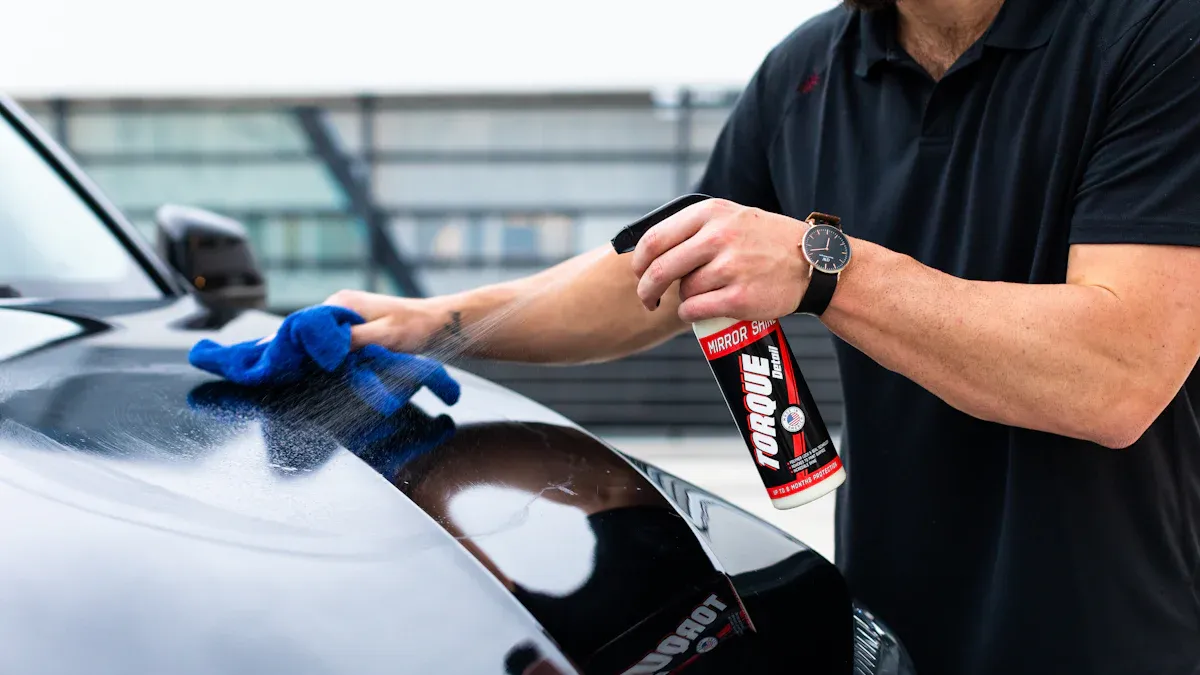
Microfiber technology extends its utility far beyond basic cleaning. Its diverse applications span various environments, from household chores to specialized industrial tasks. The unique properties of these towels make them indispensable for achieving optimal cleanliness and efficiency in many settings.
Essential Microfiber Towels for Home Cleaning
Homeowners find microfiber towels invaluable for maintaining a pristine living space. Different tasks require specific towel types for best results. For instance, an Esun Microfiber Glass Polishing Cloth ensures streak-free windows and mirrors. For floor care, an Esun Disposable Cleanroom Microfiber Scrubbing Mop effectively tackles tough grime. These specialized tools enhance cleaning effectiveness and reduce effort.
Microfiber Towels for Automotive Detailing Excellence
Automotive enthusiasts and professionals rely on microfiber for superior vehicle care. These towels are crucial for achieving a showroom finish. The 'Pinky Edgeless Pearl Weave Microfiber Towel' is specifically recommended for coating or polish removal and interior cleaning. This specialized weave ensures gentle yet effective action, preventing scratches and leaving surfaces spotless during paint correction and finishing processes.
Professional and Commercial Applications of Microfiber Towels
In professional and commercial settings, microfiber systems offer significant advantages. They reduce the need for disposable wipes, paper products, and excessive chemical use. This leads to lower waste volume and improved cleaning efficiency, contributing to cost savings for businesses. Green cleaning solutions, often including microfiber systems, are cost-effective in the long run by reducing operational costs.
Furthermore, industry standards ensure safety and hygiene. Foodservice towels must comply with FDA guidelines, ensuring non-toxic materials and effective cleaning. Certifications like TRSA Hygienically Clean (Healthcare and Food Service) and HLAC Accreditation confirm laundries adhere to best management practices, producing hygienically clean textiles for critical environments.
Microfiber technology offers a transformative approach to cleaning. It ensures consistently flawless and hygienic surfaces effortlessly. This advanced solution minimizes streaks and residue. Upgrade your cleaning routine today for superior, lasting results and a truly pristine environment.
FAQ
How should one properly wash microfiber towels?
One should wash microfiber towels separately in cold water. Use a mild detergent. Avoid fabric softeners and bleach. Air dry them or tumble dry on low heat to preserve fiber integrity.
Are microfiber towels safe for all surfaces?
Yes, microfiber towels are generally safe for most surfaces. Their soft, fine fibers prevent scratches. Always test on an inconspicuous area first, especially for delicate finishes.
What is the main advantage of microfiber over cotton?
Microfiber's split fibers trap dirt and absorb more liquid than cotton. It cleans more effectively, leaves no lint, and removes more bacteria with just water. 🧼
