

 Send Email
 whatsapp


Disposable Microfiber Mops Accelerate Demand in Healthcare and Cleanroom Facilities
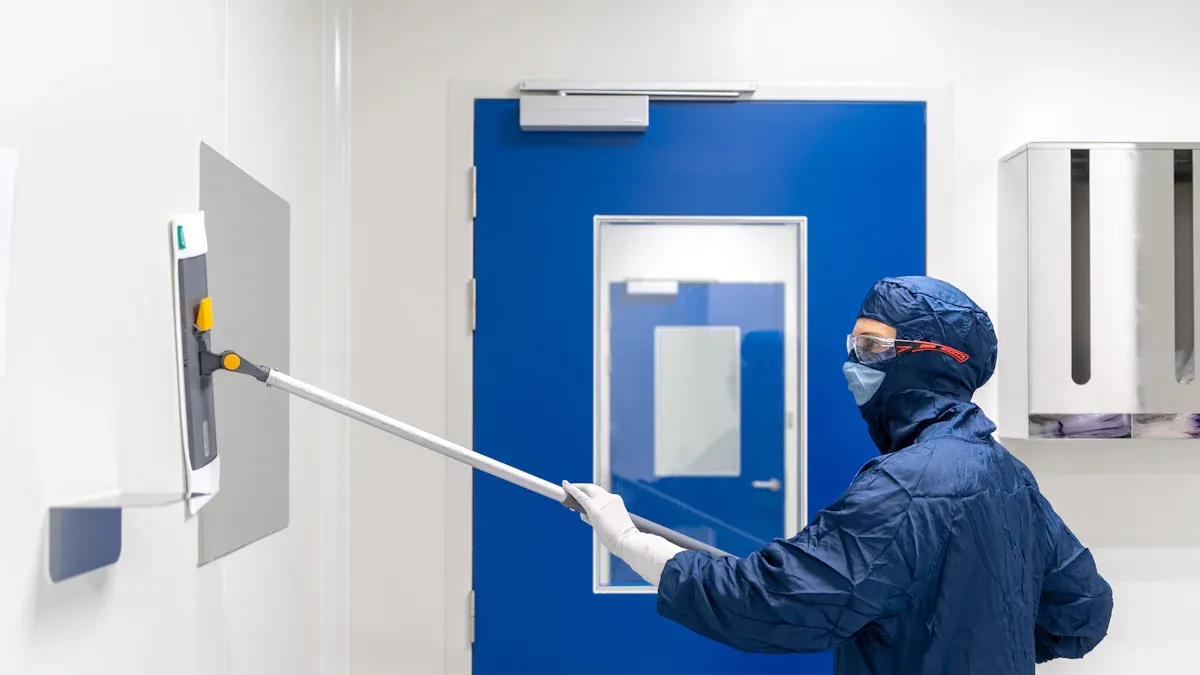
Healthcare and cleanroom facilities demand superior infection control. Approximately one in 31 hospital patients contracts a healthcare-associated infection daily. Disposable microfiber mop pads revolutionize critical environment cleaning. Thesedisposable floor mops ensure enhanced safety. The industry undeniably shifts towards single use mop pads, including microfiber mop disposable options and disposable microfiber mop heads, for optimal hygiene.
Key Takeaways
- Disposable microfiber mops stop germs from spreading. They clean better than old mops and keep places like hospitals safe.
- These mops make cleaning faster and easier. Workers save time because they do not have to wash mops.
- More people want these mops now. This is because people care more about staying clean after the pandemic.
Unparalleled Infection Control with Disposable Microfiber Mop Pads
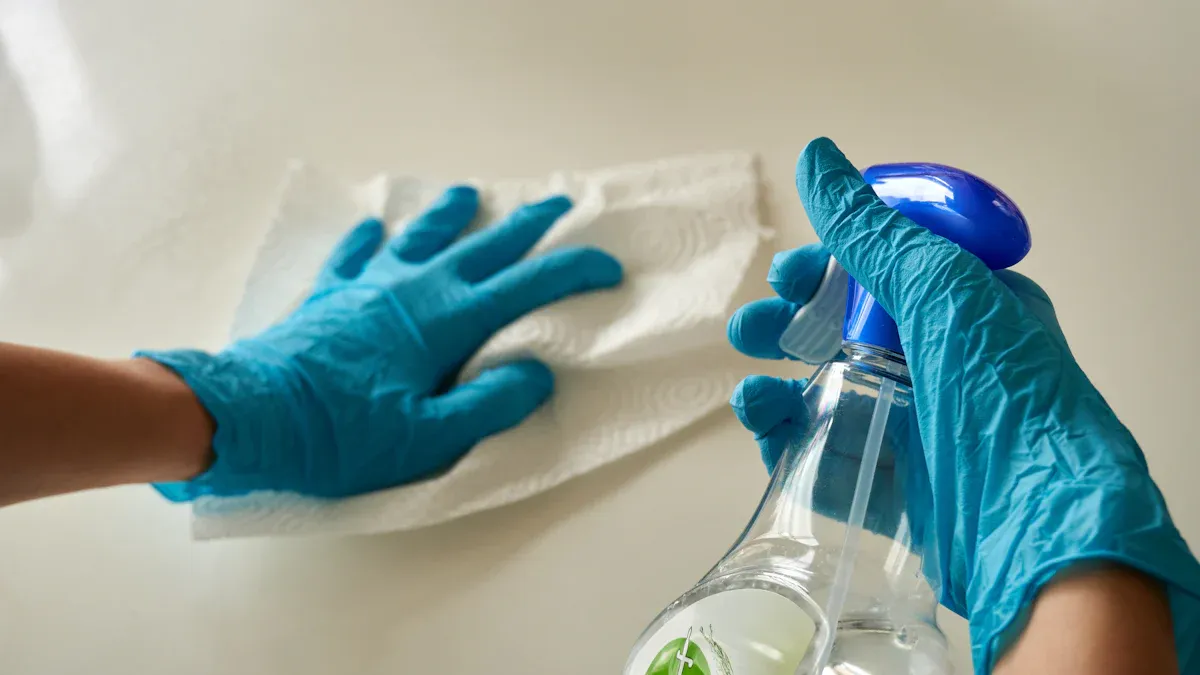
Disposable microfiber mop pads offer a critical advantage in maintaining sterile environments. They significantly enhance infection control measures in healthcare and cleanroom settings. This section explores how these innovative cleaning tools achieve superior hygiene.
Eliminating Cross-Contamination Risks
Cross-contamination poses a serious threat in sensitive environments. Reusable mops, even after laundering, can harbor contaminants. Disposable microfiber mop pads eliminate this risk. Each new pad ensures a fresh, clean start for every cleaning task. This prevents the transfer of pathogens from one area to another.
A study highlighted the difference in residual contamination between mop types:
| Mop Type | Average Residual Level (gm2) |
|---|---|
| Laundered Reusable | 0.099 ± 0.102 |
| Disposable Microfiber | 0.020 ± 0.012 |
This data clearly shows disposable microfiber mops leave significantly less residue. Furthermore, laundered reusable mops compromise disinfectant effectiveness. When immersed in a 1000ppm quat solution, laundered mops caused a 20% decrease in active disinfectant within the first minute. Their disinfectant levels dropped below effective thresholds within 15 minutes. Disposable mops, however, maintained effective disinfectant concentrations throughout the study. Residual organic matter in laundered mops directly compromises disinfectant performance. This increases cross-contamination risks.
Visual and scanning electron microscope (SEM) analyses further support these findings. Repeated laundering damages the delicate microfiber structures of reusable mops. This damage distorts and fuses fibers. It reduces the mop's ability to absorb and retain particles and microbes. Laundered mops also show particulate contamination. This contamination is either not removed or introduced during laundering. This indicates a higher risk of spreading contaminants compared to new, undamaged disposable mops.
Superior Pathogen and Contaminant Removal
Disposable microfiber mop pads excel at removing microbes and contaminants. They effectively clean hospital floors and surfaces. Their unique composition attracts and holds dirt, bacteria, and viruses. This capability is more efficient than traditional cotton or sponge mops. This ability to capture and remove microscopic particles is vital. It prevents the spread of pathogens that cause infections.
However, not all microfiber is equal. A laboratory evaluation compared various Microfiber Cloths against conventional cloths and paper towels. The study assessed cleaning efficacy, including organic soil removal and microbial load reduction. It also looked at recontamination potential.
- When used wet on a dry surface, the cleaning ability of six different microfiber cloths varied. Most were not significantly better than paper towel or a conventional cloth.
- One specific type of microfiber cloth performed significantly better. It reduced both organic soil and microbial load more effectively than others and paper towel.
- When used dry on a dry surface, no significant difference existed between the cloths. None effectively reduced microbial and organic bioburden.
- Some microfiber cloths transferred significantly less organic debris and microorganisms back to the surface. This indicated reduced recontamination potential.
The study emphasizes that the term 'microfiber' does not automatically imply superior cleaning efficacy. Different makes of microfiber cloths possess distinct characteristics. High-quality disposable microfiber mop pads are engineered for optimal performance.
Adherence to Stringent Regulatory Standards
Healthcare and cleanroom facilities operate under strict regulatory guidelines. These standards aim to prevent infections and maintain sterile environments. Disposable microfiber mops help facilities meet these rigorous requirements. Their single-use nature ensures compliance with protocols designed to minimize pathogen transmission. Facilities can confidently demonstrate adherence to best practices. This includes guidelines from organizations like the CDC and ISO. Using disposable systems provides a clear audit trail for infection control. It supports a proactive approach to patient and product safety.
Operational Efficiency and Cost Savings
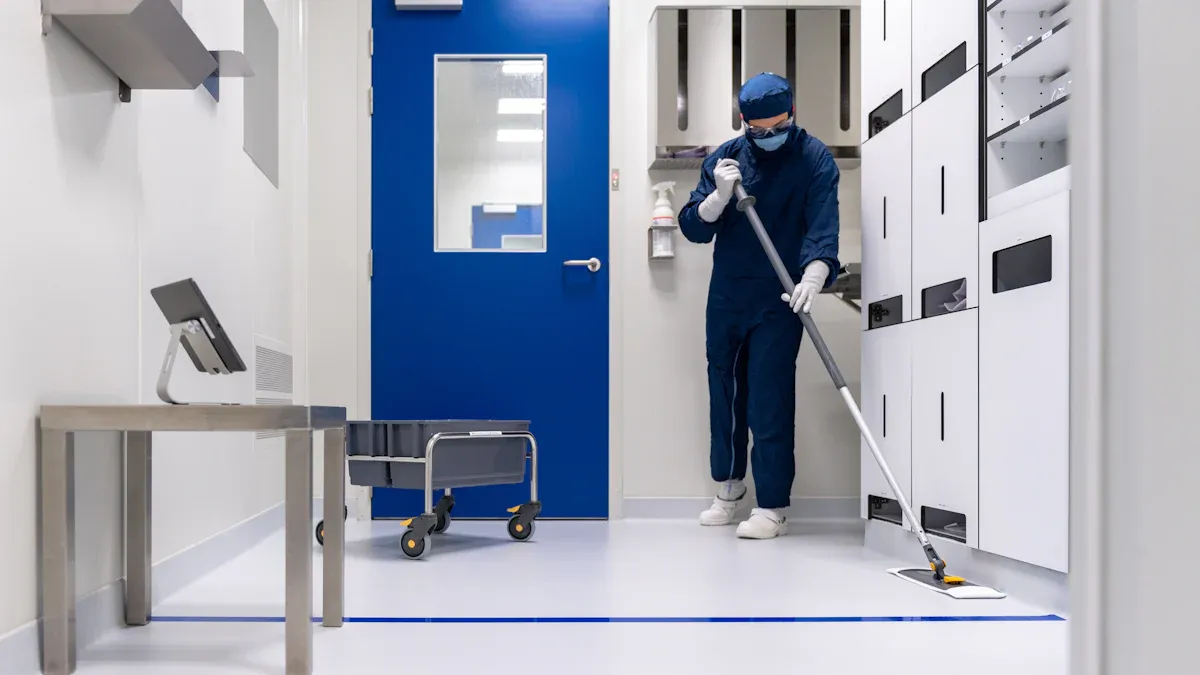
Disposable microfiber mops offer significant operational efficiencies and cost savings. These benefits extend across various aspects of facility management. They improve daily cleaning routines and impact long-term financial health.
Streamlined Cleaning Protocols
Disposable microfiber mops significantly streamline cleaning protocols. Facilities eliminate the time-consuming steps of collecting, sorting, and laundering used mops. Cleaning staff can quickly attach a fresh, clean pad for each specific area or task. This "grab and go" system removes delays. It allows workers to maintain a consistent cleaning pace. This efficiency ensures more areas receive proper attention in less time.
Reduced Labor and Training Requirements
The straightforward nature of disposable systems reduces labor demands. Staff learn a simple "use and discard" method. This minimizes the need for extensive training on complex washing and handling procedures for reusable mops. It also reduces physical strain on workers. They no longer handle heavy, soiled mops or operate wringing mechanisms. This improves staff morale and reduces the risk of work-related injuries. Staff can dedicate more time to critical cleaning tasks.
Long-Term Financial Advantages of Disposable Microfiber Mop Pads
While disposable microfiber mop pads have an individual unit cost, they deliver substantial long-term financial advantages. Facilities realize savings on water consumption, detergents, and the energy required for laundry services. They also avoid maintenance and replacement costs for industrial washing equipment. Reduced labor hours, due to increased efficiency, translate directly into lower operational expenses. Crucially, superior infection control prevents costly healthcare-associated infections (HAIs). Preventing HAIs saves money on extended patient stays and additional treatments. This comprehensive approach makes disposable systems a financially sound investment.
Sustainability and Resource Optimization
Disposable microfiber mops offer significant advantages for sustainability and resource optimization. These systems help facilities reduce their environmental footprint. They promote more responsible consumption of resources.
Minimized Water and Chemical Consumption
Disposable microfiber mop pads drastically reduce water and chemical consumption. Facilities eliminate the need for extensive laundering processes. Reusable mops require large volumes of water, detergents, and energy for washing and drying. Disposable options remove this demand. This conserves precious water resources. It also lessens the discharge of chemical-laden wastewater into the environment.
Responsible Waste Management Practices
Implementing responsible waste management practices is crucial for disposable systems. Facilities must develop clear waste handling protocols. These protocols should cover all materials, including used cleaning items and protective equipment.
- Facilities must understand and differentiate between types of medical cleanroom waste. This includes toxic, corrosive, ignitable, infectious, and biohazardous materials.
- They must train employees on waste differentiation, handling, and labeling.
- Employees need appropriate personal protective equipment (PPE) like gloves and masks. This prevents contamination and ensures safety.
- Facilities should use antimicrobial, corrosion-resistant, and easily cleanable waste containers. Puncture-resistant and leak-proof containers are necessary for sensitive materials.
- Properly separating, bagging, and labeling all waste before disposal is essential.
- Safe storage of waste in non-particle shedding receptacles is also important.
Environmental Benefits of Single-Use Systems
The environmental benefits of single-use systems are a complex topic. Life Cycle Assessments (LCAs) compare single-use and reusable products. Reusable healthcare products generally reduce ecological impacts. However, this excludes water use. The environmental impact of reusable products depends heavily on their handling during use. This includes the number of uses and the cleaning process. Washing cycles for reusable items involve water, energy, and cleaning agents. These factors can significantly impact the environment. Single-use bioprocess systems have gained recent attention. Concerns about environmental change, emissions, and waste disposal costs drive this focus. Assessing these impacts is challenging but necessary.
Performance Superiority Over Traditional Cleaning Methods
Consistent Cleaning Efficacy
Disposable microfiber mop pads offer superior cleaning efficacy compared to traditional methods. They excel at removing dirt and microbes. Traditional cotton mops often push debris around. Microfiber mops use electrostatic cling for high dirt retention. They also dry faster and require less water and chemicals.
| Feature | Microfiber | Cotton |
|---|---|---|
| Dirt Retention | High (Electrostatic cling) | Low (Pushes debris around) |
| Drying Time | Fast | Slow |
| Water Use | Minimal | Heavy |
| Chemical Usage | Reduced | High |
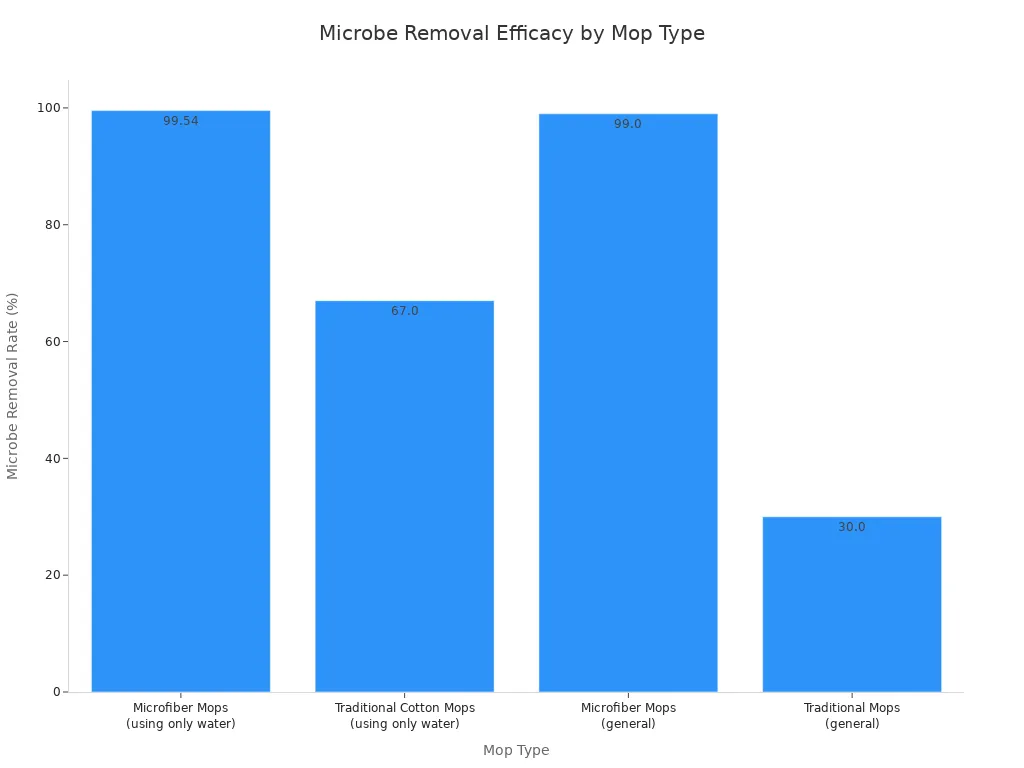
Microfiber mops demonstrate significantly higher microbe removal rates. They capture up to 99.54% of microbes using only water. Traditional cotton mops remove approximately 67%. This superior capability directly contributes to better infection control.
Single-use mop systems streamline cleaning workflows. They reduce cross-contamination. Cleaning personnel change mop heads between each room. This prevents the transfer of infectious agents. Hospitals report floors are up to 80% cleaner. They also see a notable reduction in infections like C. difficile.
Ergonomic Benefits for Cleaning Staff
Cleaning staff experience significant ergonomic benefits with these modern tools. Disposable systems greatly reduce awkward postures. Employees can stand in an upright, neutral posture. This contributes to a healthier work environment. Ergonomic tools and proper techniques prevent musculoskeletal injuries. Modern systems include wringers that minimize strain. Ergonomic handles encourage correct posture. Manufacturers invest in solutions to minimize strain. This promotes better posture. It creates a safer, more efficient cleaning experience. Staff experience 20% lower movement risk compared to traditional wet mops. They spend 33% less time outside the preferred shoulder range of motion. This leads to reduced strain and worker fatigue. It provides a more comfortable and safe cleaning experience.
Adaptability Across Diverse Surfaces and Environments
Disposable microfiber mop pads adapt well to diverse surfaces and environments. They are specifically designed for healthcare settings. This includes operating rooms, labs, and patient rooms. They offer hygienic cleaning and strong antibacterial ability. This minimizes contamination. Pharmaceutical manufacturing also uses these mops. They meet stringent cleanliness standards in controlled environments. Non-shedding materials prevent particle contamination. Electronics production similarly uses them. They maintain high cleanliness standards. These mops often include anti-static properties.
Key Drivers for Accelerated Adoption of Disposable Microfiber Mops
Several factors contribute to the increasing demand for disposable microfiber mops in critical environments. These drivers stem from evolving public health concerns, technological advancements, and a commitment to industry best practices.
Heightened Post-Pandemic Hygiene Awareness
The COVID-19 pandemic significantly elevated global hygiene awareness. This increased consciousness directly impacts cleaning protocols and product choices, especially in healthcare and cleanroom facilities. An American Cleaning Institute (ACI) survey revealed that 88% of consumers consider cleanliness a key factor in product selection. Nearly 50% continue to use more disinfectant products than before the pandemic. The healthcare sector led the market in 2024, capturing a 21.21% revenue share. This highlights the critical need for sanitary and infection-free environments.
Rising hygiene awareness in the post-COVID-19 era has significantly accelerated growth in the global Industrial and Institutional (I&I) cleaning market. Organizations across various sectors, including hospitality, education, food processing, and healthcare, have increased their investment in professional cleaning solutions. This leads to enhanced cleaning protocols, frequent disinfection practices, and a shift toward long-term hygiene strategies as standard operating procedures. This surge has increased demand for I&I cleaning products like surface disinfectants, hand hygiene solutions, and industrial-grade cleaning agents.
The most lasting impact of COVID-19 is the heightened awareness of hygiene. This leads to increased consciousness of cleanliness's role in preventing illness. This shift has the potential to create long-term demand for comprehensive cleaning practices. It fosters a healthier future for workplaces and communities. An article from BioSolutions supports this. It states that the heightened attention to hygiene and wellness during the COVID-19 era has led to an increased demand for disinfecting products. Consumers seek productive, efficient, and safe cleaning solutions.
Post-pandemic cleaning protocols have seen significant changes. Increased frequency and thoroughness have become standard. This includes:
- Frequent disinfection of high-touch surfaces like doorknobs, light switches, and elevator buttons.
- Deep cleaning becoming a regular occurrence, rather than periodic maintenance.
- Incorporation of specialized cleaning equipment and technologies such as electrostatic sprayers and fogging machines to enhance disinfection efficacy.
These changes underscore the need for effective and reliable cleaning tools like disposable microfiber mop pads.
Advancements in Material Science and Design
Material science advancements have significantly improved the performance of mop pads. These innovations lead to superior dust and particle retention capabilities, enhanced durability, and improved cleaning efficiency. Manufacturers actively invest in research and development. They create mop pads with better electrostatic properties, increased absorbency, and a longer lifespan. The integration of antimicrobial treatments and specialized coatings further enhances hygiene, especially in critical environments.
Modern mops now feature several material advancements:
- Variants with silver ion antimicrobial treatments.
- Specialized wash bars for removing stubborn dirt.
- Ultra-soft, scratch-free fibers for delicate surfaces.
Companies prioritize component quality. They use more durable plastics, corrosion-resistant metal parts, and higher-grade, longer-lasting microfibers. These materials maintain effectiveness after numerous washes. Environmental concerns, such as microplastic shedding and waste from single-use products, drive manufacturers to address the entire product lifecycle. This pushes for more sustainable solutions.
Industry Best Practices and Recommendations
Industry best practices and recommendations strongly advocate for cleaning solutions that minimize infection risks. Organizations like the CDC and ISO regularly update their guidelines. These updates often emphasize the importance of preventing cross-contamination. Disposable cleaning tools align perfectly with these recommendations. They offer a consistent level of cleanliness and reduce the potential for human error in cleaning processes. Adopting these best practices helps facilities maintain high standards of hygiene and safety.
Disposable microfiber mops offer critical advantages. They provide:
- Enhanced hygiene
- Operational gains
- Environmental responsibility
These mops play an indispensable role in modern critical environments. We project continued growth and innovation in single-use cleaning technologies.
FAQ
What makes disposable microfiber mops superior for infection control?
Disposable microfiber mops eliminate cross-contamination. They capture and remove pathogens more effectively than traditional mops. Each new pad ensures a sterile cleaning process.
How do these mops contribute to operational efficiency?
They streamline cleaning protocols. Staff save time by avoiding laundering. This reduces labor and training needs. Facilities achieve faster, more consistent cleaning.
Are disposable microfiber mops environmentally friendly?
They minimize water and chemical use. Facilities must implement responsible waste management. Life Cycle Assessments help evaluate overall environmental impact. ♻️
