

 Send Email
 whatsapp


Disposable Mop Pads: A Fresh Take on Clean Floors
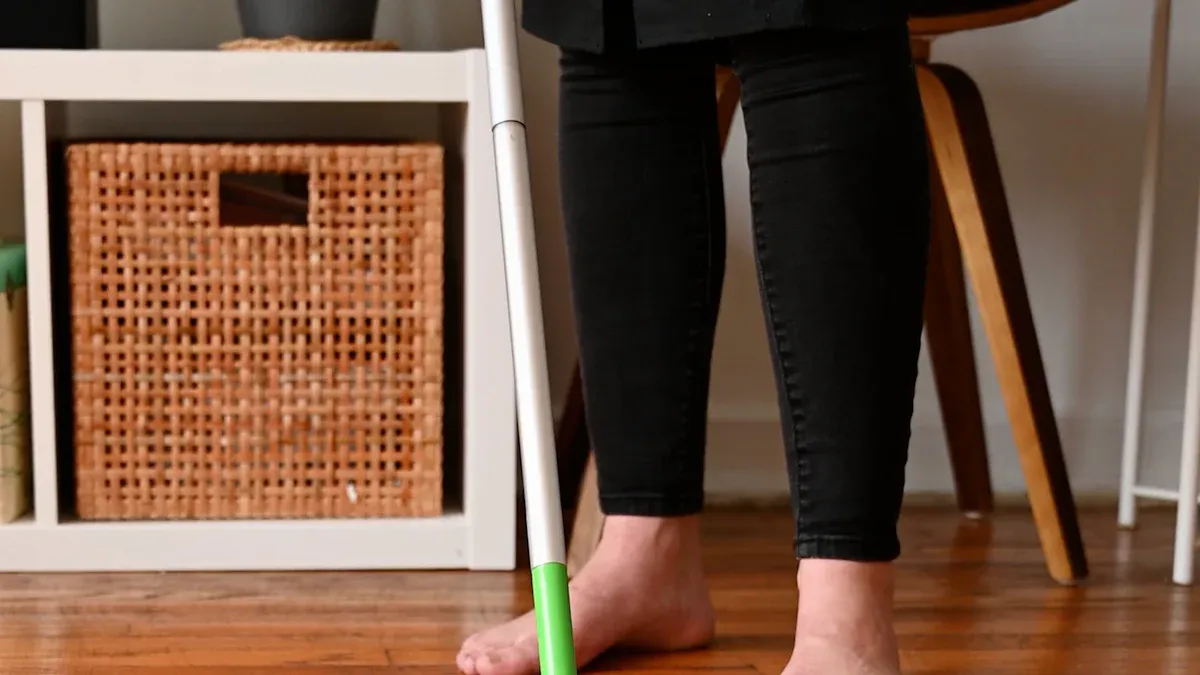
Disposable mop pads provide unmatched convenience and hygiene. Specializedmedical disposable mops and antibacterial disposable mops enhance cleanliness. A Disposable Floor Mop ensures a fresh start. Many appreciate the efficient Microfiber Disposable Mop. This post compares disposable and reusable options, examining effectiveness, convenience, cost, environmental impact, and hygiene for your home.
Key Takeaways
- Disposable mop pads offer great convenience and hygiene. You use them once and throw them away. This helps stop germs from spreading.
- New disposable mop pads use better materials. Some are even good for the environment. They can clean floors very well.
- Choosing between disposable and reusable pads depends on your needs. Think about how often you clean. Also, consider your budget and if you want to help the environment.
The Evolution of Disposable Mop Pads in 2025
Advanced Materials and Absorption Technology
The year 2025 marks significant advancements in the materials and absorption technology of disposable mop pads. Manufacturers now utilize innovative designs for enhanced cleaning power. For instance, 3M introduced eco-friendly microfiber mops in March 2025. These mops offer enhanced durability, specifically targeting hospitals and hotels. They also contribute to reducing water consumption by 30%. Esun's R&D center actively advances microfiber technology. They experiment with different polyester-polyamide blends and split ratios. This research develops specialized weaves for specific tasks, enhancing cleaning power, durability, and absorbency. MicroWorks Disposable Cleaning Flat Pads exemplify these innovations. They are crafted from 100% synthetic absorbent material. These pads excel at absorbing liquids and ensuring thorough cleaning without streaks or residues. They are versatile for both wet and dry applications and compatible with various cleaning solutions and sanitizers.
Wider Availability of Disposable Mop Pads
The market has seen a substantial increase in the availability of disposable mop pads. Consumers find these products in more retail stores and online platforms. This wider distribution makes them easily accessible for everyday cleaning needs. The increased demand drives manufacturers to produce a greater variety of options.
The Appeal of Single-Use Cleaning
Single-use cleaning solutions offer distinct advantages. They provide unmatched convenience and hygiene. Users appreciate the ability to dispose of dirt and germs after each cleaning task. This eliminates the need for washing dirty pads, saving time and effort. The appeal of a fresh, clean pad for every use strongly resonates with many households.
Disposable Mop Pads vs. Reusable: A 2025 Comparison

Convenience and Time Savings
Disposable mop pads offer significant convenience and time savings. Users simply attach a fresh pad, clean, and then discard the dirty pad. This eliminates the need for washing, drying, and restocking reusable pads. Reusable systems require sorting, washing, and drying. This process adds considerable time and effort to cleaning routines. Disposable options streamline workflows, making cleaning tasks quicker and less labor-intensive.
Cleaning Performance and Hygiene
The cleaning performance and hygiene aspects of mop pads show distinct differences. Scientific studies compare the bacterial removal efficiency of both types.
| Mop Type & Disinfectant | Bacterial Contamination Change (cfu) | ATP Reduction | Notes |
|---|---|---|---|
| QUAT & Cotton String Mop (QC) | Increased significantly | Reduced (less effective than HC/HM) | Performed worse with mop head reuse |
| QUAT & Microfiber Mop (QM) | Reduced significantly | Reduced (less effective than HC/HM) | Effective with new mop head |
| HPD & Cotton String Mop (HC) | Reduced significantly | Significantly more effective | Effective for up to 3 reuses |
| HPD & Microfiber Mop (HM) | Reduced significantly | Significantly more effective | Effective with new mop head |
This data indicates that disinfectant choice and mop type significantly impact bacterial reduction. Reusable pads, especially cotton string mops, can perform worse with reuse. Laundering can cause reusable pads to retain pathogens. This potentially leads to cross-contamination. A CleanLink review found 27% of laundered reusable pads tested positive for pathogens. In contrast, virtually no single-use wipes tested positive for pathogens.
For general cleaning, microfiber mops, both disposable and reusable, show superior performance. Microfiber mops remove up to 99.54% of bacteria using only water. Traditional cotton mops remove approximately 67%. Disposable pads remove three times more dirt and grease compared to economy cotton mops. They also reduce shedding and linting, leading to cleaner floors. Their single-use design reduces cross-contamination. Non-woven materials in disposable pads reduce QUAT binding, enhancing disinfectant efficacy. They offer immediate peak performance without a break-in period.
Reusable pads, often made from premium microfiber, trap dust, dirt, and grime effectively. They offer superior absorbency and durability compared to many disposable pads. Their heavy-duty performance includes deep-cleaning fibers that grab dirt, hair, dust, and grime. Reusable pads are safe for use on all surfaces, including hardwood, tile, laminate, vinyl, marble, linoleum, and concrete floors. They are highly absorbent, holding several times their weight in water. They are lint-free and streak-free, leaving floors shiny and spotless. Reusable pads are effective for deep cleaning grime and sticky spots when used wet.
Cost-Effectiveness of Disposable Mop Pads
The cost-effectiveness of mop pads involves more than just the purchase price. Annual cleaning costs for a 400-square-foot area, mopped once a week, reveal interesting comparisons.
| Mop Type | Annual Cleaning Cost |
|---|---|
| Leading spray mop (disposable) | $187 |
| ProMist MAX (reusable) | $50 |
This table shows reusable systems often have lower annual cleaning costs. However, this comparison often overlooks hidden costs associated with reusable pads. These hidden costs include laundering labor, detergents, energy, and water. Disposable mop pads eliminate these hidden costs. While the upfront cost per unit for disposable pads might seem higher, they can be more affordable overall when considering total operational costs. This is especially true for large-scale use in hospitals or cleanrooms, where labor, equipment, hygiene, and time saved add significant value.
Environmental Impact of Disposable Mop Pads
The environmental impact of cleaning products is a growing concern. Disposable mop pads contribute to the over 40 million tons of plastic waste generated annually in the U.S. This waste fills landfills and breaks down into harmful microplastics. However, the environmental narrative is complex. A Life Cycle Assessment (LCA) by Contec Professional compared disposable microfiber mop pads with reusable ones. Surprisingly, the LCA indicated that relaundered reusable microfiber mop pads had a greater environmental impact across several categories. These categories included global warming potential, water usage, and smog production. This is due to the energy and resources required for repeated laundering.
Manufacturers are addressing environmental concerns. They incorporate recycled materials into the fiber production process of disposable mop pads. This lessens reliance on virgin plastics and decreases the overall carbon footprint. Disposable mop pads also contribute to environmental sustainability by reducing the need for water and cleaning chemicals typically required for laundering reusable mops. Responsible disposal practices are crucial. These include participating in recycling programs for used microfiber pads and selecting products with minimal packaging.
Biodegradable options are also emerging in 2025. Wipex offers eco-friendly floor wipes and mop pads made from 100% plant-based fibers. These products are biodegradable and fit most leading mop systems, including Swiffer®. Wipex also provides lavender-scented plant-based wipes. Biodegradable mop pads begin breaking down within months, unlike plastic pads that last decades in landfills.
When to Choose Disposable Mop Pads

Ideal Scenarios for Disposable Mop Pads
Disposable mop pads offer distinct advantages in various cleaning situations. They are perfect for daily light cleaning and quick touch-ups. People find them useful for rapid tidying when unexpected guests arrive. These pads also help prevent bacterial buildup and odors often associated with traditional mops. Environments where hygiene is paramount benefit greatly from disposable options. This includes hospitals, schools, and industrial settings, where eliminating cross-contamination is critical. Cleanrooms also rely on disposable pads to maintain sterile conditions. They are ideal for high-frequency cleaning applications and situations where laundering mops is impractical. Users can effectively clean various surfaces, including stone, marble, laminate, tile, wood floors, walls, and windows. These versatile pads work well for both wet mopping and dry dusting.
When Reusable Pads Excel
Reusable mop pads also have their place in a cleaning regimen. They excel in situations requiring heavy-duty scrubbing or deep cleaning of stubborn grime. Their robust construction often allows for more aggressive cleaning action. For individuals prioritizing long-term cost savings and specific environmental goals, reusable pads are often the preferred choice. They reduce waste over time, provided users manage the energy and water consumption associated with laundering them. Reusable pads are also suitable for regular, routine cleaning in homes where cross-contamination risks are lower and laundering is convenient.
Making Your Mop Pad Choice in 2025
Lifestyle and Cleaning Frequency
Individuals choose mop pads based on their lifestyle and cleaning frequency. Busy households often prefer disposable pads. These pads offer quick clean-ups and save time. People with less frequent cleaning needs might find reusable pads more suitable. They can wash and store reusable pads for later use. Daily cleaning routines benefit from the convenience of disposable options. They eliminate the need for laundry after each use.
Budget and Eco-Conscious Priorities
Budget considerations play a significant role in mop pad selection. Reusable pads generally have a lower long-term cost. They require an initial investment but save money on repeated purchases. Disposable pads involve continuous buying. Environmentally conscious consumers often lean towards reusable options. They reduce waste in landfills. However, some disposable pads now feature biodegradable materials. This offers a more eco-friendly disposable choice. Consumers must weigh upfront costs against ongoing expenses and environmental impact.
Floor Types and Cleaning Challenges
Different floor types and cleaning challenges influence mop pad selection. Disposable pads excel in specific challenging scenarios. They offer superior hygiene and consistent performance.
| Challenge Addressed | Reusable Mops (Laundered) | Disposable Mop Pads |
|---|---|---|
| Residual Levels | 0.099 ± 0.102 (average) | 0.020 ± 0.012 (average, nearly 5x lower) |
| Disinfectant Efficacy (Quat Solution) | Active disinfectant decreased by 20% within 1 min; dropped below effective levels within 15 min | Active disinfectant stabilized after 1 min and remained at effective levels |
| Performance Consistency | Diminished performance and quality over time | Consistent and predictable performance |
Disposable pads leave significantly lower residual levels on surfaces. This means cleaner floors. They also maintain disinfectant efficacy better than laundered reusable mops. This ensures effective germ killing. Disposable pads provide consistent performance. Reusable pads can degrade over time. They may retain particles. This makes disposable pads ideal for sensitive environments or high-traffic areas.
Both disposable and reusable mop pads present distinct advantages in 2025. Disposable mop pads offer unparalleled convenience and hygiene, making them a strong contender for modern cleaning needs. Reusable options appeal to those prioritizing long-term cost savings and specific environmental goals. Your optimal choice depends on individual priorities, cleaning habits, and specific household needs.
FAQ
What makes disposable mop pads more hygienic?
Disposable mop pads prevent cross-contamination. Users discard dirt and germs after each use. This eliminates the need for washing dirty pads.
Are disposable mop pads environmentally friendly?
Some disposable mop pads now feature biodegradable materials. Manufacturers also incorporate recycled content. This reduces their environmental footprint.
When should one choose reusable mop pads?
Reusable mop pads excel for heavy-duty scrubbing. They are also suitable for individuals prioritizing long-term cost savings. They reduce waste over time.