

 Send Email
 whatsapp


Efficient and Eco-Friendly: Cleaning with Cellulose Sponge Cloths

The demand for sustainable cleaning solutions is skyrocketing as consumers become more aware of the environmental damage caused by traditional products. Many are turning to eco-friendly alternatives that deliver effective results without harming the planet. Cellulose Sponge Cloths stand out as a perfect solution. Made from natural materials, they offer a biodegradable, reusable, and highly efficient way to tackle daily cleaning tasks.
Key Takeaways
- Cellulose sponge cloths come from natural materials, so they are eco-friendly. They decompose fast in landfills, helping the environment.
- These cloths soak up over 20 times their weight in liquid. This makes them great for cleaning spills and messes quickly.
- One sponge cloth can replace about 15 rolls of paper towels. This cuts down waste and saves money. They last a long time and can be reused, making cleaning more sustainable.
What Are Cellulose Sponge Cloths?
Composition and Materials
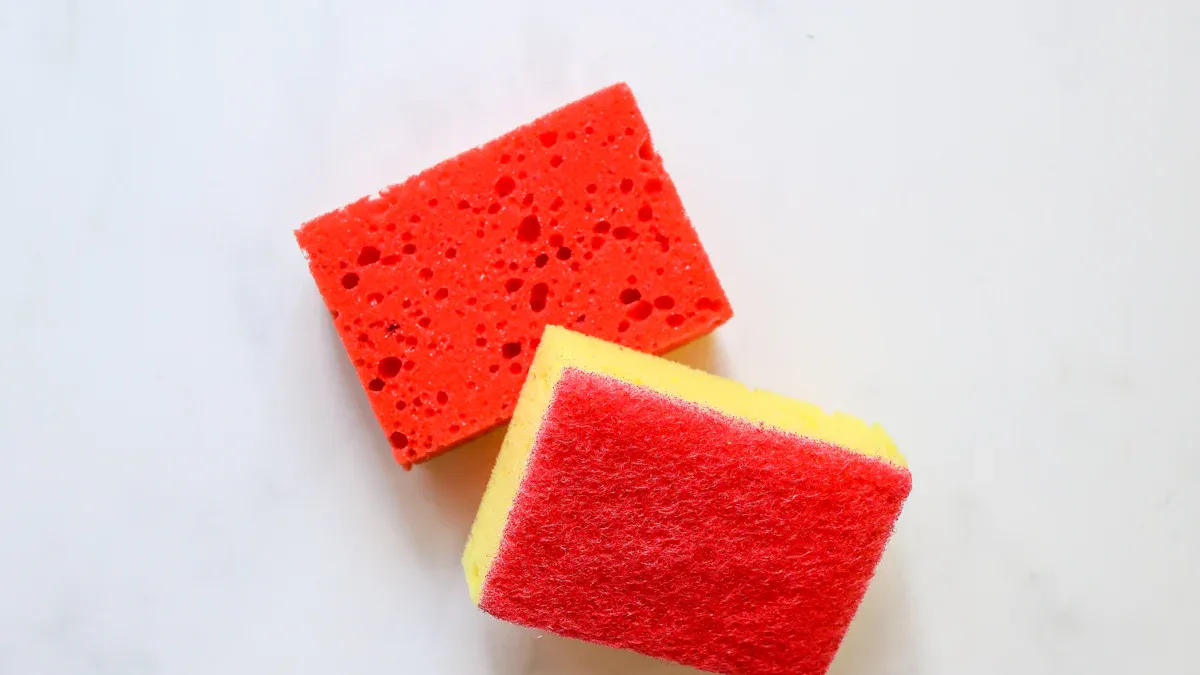
Cellulose sponge cloths are crafted from natural materials, making them a sustainable choice for cleaning. The production process begins with rigid sheets of cellulose, which are softened in a water bath mixed with chemical softeners. Once softened, the cellulose is combined with sodium sulfate crystals, cut hemp fibers, and dye in a rotating mixer. This mixture is poured into molds and heated to form the sponge's signature porous texture. Afterward, the sponge blocks are bleached to remove impurities and enhance their color. Finally, they are cut into various sizes, with some featuring a textured scouring pad for added versatility.
This meticulous process ensures that cellulose sponge cloths are not only durable but also eco-friendly. Their natural composition allows them to break down easily in the environment, unlike synthetic alternatives.
Key Features That Make Them Unique
Cellulose sponge cloths stand out for their exceptional performance and environmental benefits. They last 20% longer during scrubbing compared to foam sponges, making them a cost-effective option. Their versatility shines as they handle both delicate surfaces and heavy-duty cleaning tasks with ease. Whether it's wiping down countertops or tackling stubborn grime, these cloths deliver reliable results.
Additionally, cellulose sponge cloths have lower soil toxicity, reinforcing their eco-friendly reputation. Their ability to absorb and retain liquids makes them highly effective for cleaning up spills and messes. With these unique features, they cater to a wide range of applications, from household cleaning to industrial use.
Eco-Friendly Benefits of Cellulose Sponge Cloths
Biodegradability and Compostability
Cellulose sponge cloths are a game-changer for anyone looking to reduce their environmental footprint. These cloths are made from 100% natural materials, including cellulose and non-GMO unbleached cotton. Unlike synthetic cleaning products, they break down quickly in landfills, leaving behind no harmful residues.
🌱 Did you know? Cellulose sponge cloths are certified compostable, meaning they can be added to your compost bin after use. This helps reduce landfill waste while enriching the soil with organic matter.
Their eco-friendly packaging adds another layer of sustainability. Made from corn starch, the packaging is also compostable, ensuring minimal environmental impact from start to finish.
Here’s how they stack up against traditional cleaning materials:
| Evidence Type | Detail |
|---|---|
| Projected Sales | 3.2 billion household sponges expected to be sold worldwide in 2025 |
| Environmental Recognition | 16 brands of Cellulose Sponges certified to break down faster in landfills than synthetic sponges |
| Soil Toxicity Study | Cellulose sponges exhibit lower soil toxicity based on a study of 500 cleaning products |
| Structural Integrity | Cellulose sponges retain structural integrity for 20% longer than foam-based alternatives |
These numbers highlight the significant environmental advantages of choosing cellulose sponge cloths over synthetic options.
Reusability and Waste Reduction
One of the standout features of cellulose sponge cloths is their ability to be reused multiple times. Unlike paper towels, which are single-use and contribute to deforestation, these cloths can replace up to 15 rolls of paper towels over their lifespan. This dramatically reduces paper waste and saves money in the long run.
Their durability also plays a key role in waste reduction. Cellulose sponge cloths retain their structure and effectiveness even after repeated use. This means fewer replacements and less waste overall.
Here’s why they’re a smart choice for sustainable cleaning:
- They absorb more than 20 times their weight in liquid, making them perfect for cleaning spills.
- Their compostable nature ensures they won’t linger in landfills for years like synthetic sponges.
- By choosing cellulose sponge cloths, households can significantly cut down on disposable cleaning products.
Switching to cellulose sponge cloths isn’t just good for the planet—it’s a practical and cost-effective solution for everyday cleaning.
Efficiency in Cleaning with Cellulose Sponge Cloths
High Absorbency for Spills and Messes
Cellulose sponge cloths excel at absorbing liquids, making them a reliable choice for cleaning up spills and messes. Their porous structure allows them to soak up more than 20 times their weight in water, which means fewer trips to the sink and faster cleanup. Whether it’s spilled juice on the kitchen counter or water pooling around the sink, these cloths handle it all with ease.
Their cleaning efficiency has been proven through performance trials. For example, cellulose sponge cloths achieved a 95% reduction in ATP-B RLU (a measure of surface cleanliness) and a 98% reduction in CFU (colony-forming units), showcasing their ability to remove bacteria effectively.
| Cloth Type | ATP-B RLU Reduction | CFU Reduction |
|---|---|---|
| Cellulose/Cotton | 95% | 98% |
Additionally, they perform exceptionally well on various surfaces. Stainless steel surfaces showed a log CFU reduction of 2.53 to 2.62, while Formica laminate surfaces achieved a reduction of 3.16 to 3.44. These results highlight their versatility and effectiveness in maintaining hygiene across different areas of the home.
| Surface Type | Log CFU Reduction |
|---|---|
| Stainless Steel | 2.53 - 2.62 |
| Formica Laminate | 3.16 - 3.44 |
With their high absorbency and proven cleaning power, cellulose sponge cloths simplify everyday cleaning tasks while ensuring a cleaner and healthier environment.
Versatility Across Different Cleaning Tasks
Cellulose sponge cloths aren’t just great for spills—they’re incredibly versatile, making them a go-to tool for a wide range of cleaning tasks. Their absorbent and durable nature makes them ideal for scrubbing dishes, polishing silverware, and cleaning up spills on countertops. They’re gentle enough to clean dirt off vegetables like mushrooms and lettuce, yet tough enough to tackle grime in showers and sinks.
🧽 Tip: Use cellulose sponge cloths to achieve streak-free windows during your cleaning routine. Their soft texture ensures no scratches or streaks are left behind.
These cloths also shine in less conventional uses. Pet owners love them for keeping their furry friends clean after outdoor adventures. Parents find them engaging for kids during bath time, especially when paired with colorful designs. Their versatility extends to bathroom cleaning, where they effectively remove soap scum and grime from tiles and fixtures.
Here’s a quick look at their diverse applications:
- Scrubbing dishes and cleaning spills.
- Polishing silverware without streaks.
- Cleaning dirt off vegetables.
- Keeping pets clean after outdoor activities.
- Entertaining kids during bath time.
- Removing grime from showers and sinks.
- Achieving streak-free windows.
Cellulose sponge cloths adapt to almost any cleaning challenge, making them a practical and eco-friendly choice for households. Their ability to handle delicate tasks while maintaining durability sets them apart from other cleaning tools.
How to Use and Maintain Cellulose Sponge Cloths
Tips for Effective Cleaning
Using cellulose sponge cloths the right way ensures they last longer and perform better. Here are some simple tips to get the most out of them:
- Always dampen the cloth before use. This helps it absorb liquids more effectively.
- Rinse it thoroughly in warm water before using it for the first time.
- After each use, rinse the cloth clean to remove any dirt or residue.
These small steps can make a big difference in how well the cloth works. Whether you're wiping down counters or cleaning up spills, following these tips keeps the cloth in top shape.
🧽 Pro Tip: Use a damp cellulose sponge cloth for streak-free cleaning on glass and mirrors.
How to Clean and Sanitize Them
Keeping your cellulose sponge cloth clean is essential for hygiene and durability. After every use, rinse it thoroughly and let it dry completely. This prevents bacteria from growing and keeps the cloth fresh.
For deeper cleaning, try one of these proven methods:
- Bleach: Soak the cloth in a bleach solution for two minutes.
- Vinegar: Use full-strength vinegar and soak the cloth for five minutes.
- Dishwasher: Place it on the top rack and run it through a dishwasher cycle.
- Microwave: Heat a wet cloth in the microwave for 30 seconds to kill germs.
These techniques are quick and easy, ensuring your cloth stays clean and ready for the next use. Regular maintenance not only extends its lifespan but also keeps your cleaning routine safe and effective.
🌱 Note: Always let the cloth air dry after cleaning to maintain its absorbency and prevent odors.
Comparing Cellulose Sponge Cloths to Other Eco-Friendly Alternatives
Advantages Over Microfiber Cloths
Cellulose sponge cloths offer several advantages when compared to microfiber cloths. First, they are made from natural materials like cellulose and cotton, while microfiber cloths rely on synthetic fibers such as polyester and nylon. This makes cellulose sponge cloths biodegradable and compostable, unlike microfiber cloths, which can shed microplastics into waterways during washing.
Another key difference lies in their absorbency. Cellulose sponge cloths can soak up over 20 times their weight in liquid, making them ideal for cleaning spills and messes. Microfiber cloths, while effective, often fall short in this area. Additionally, cellulose sponge cloths are easier to clean and sanitize. They can be microwaved, boiled, or even tossed in the dishwasher, ensuring hygiene without much effort.
Durability is another factor that sets cellulose sponge cloths apart. Their innovative material composition allows them to last longer, reducing the need for frequent replacements. This makes them a cost-effective and eco-friendly choice for households aiming to minimize waste.
Unique Features That Set Them Apart
Cellulose sponge cloths stand out due to their thoughtful design and sustainable production. Their ergonomic structure ensures easy handling, while their superior absorbency makes cleaning faster and more efficient. Unlike many synthetic alternatives, these cloths are crafted with eco-friendly materials, aligning with increasing regulations for sustainable products.
Here’s a closer look at their unique characteristics:
| Characteristic | Description |
|---|---|
| Innovation | Focus on biodegradable options, improved absorbency, and ergonomic design. |
| Sustainability | Increasing regulations drive the use of eco-friendly materials in production. |
| Absorbency | Superior absorbency compared to many synthetic alternatives. |
| Durability | Enhanced durability through innovative material composition. |
| Ease of Cleaning | Designed for easy maintenance and cleaning, making them user-friendly. |
These features make cellulose sponge cloths a standout choice for eco-conscious consumers. Their ability to combine functionality with sustainability ensures they meet the demands of modern cleaning while protecting the planet.
Cellulose sponge cloths offer a perfect blend of efficiency and sustainability. They clean effectively, last longer, and reduce waste. Choosing these cloths means making a positive impact on the planet. Why not give them a try? Small changes like this can lead to a cleaner home and a healthier environment.
FAQ
How long do cellulose sponge cloths last?
Cellulose sponge cloths can last several months with proper care. Their durability depends on usage and maintenance, but they’re designed for repeated cleaning tasks.
Are cellulose sponge cloths safe for all surfaces?
Yes, they’re gentle on delicate surfaces like glass and stainless steel. Their soft texture prevents scratches while effectively cleaning dirt and grime.
Can I compost cellulose sponge cloths at home?
Absolutely! These cloths are 100% compostable. Toss them into your compost bin after use to enrich the soil and reduce landfill waste.