

 Send Email
 whatsapp


Frequency of Changover or Cleaning of Hospital Curtains

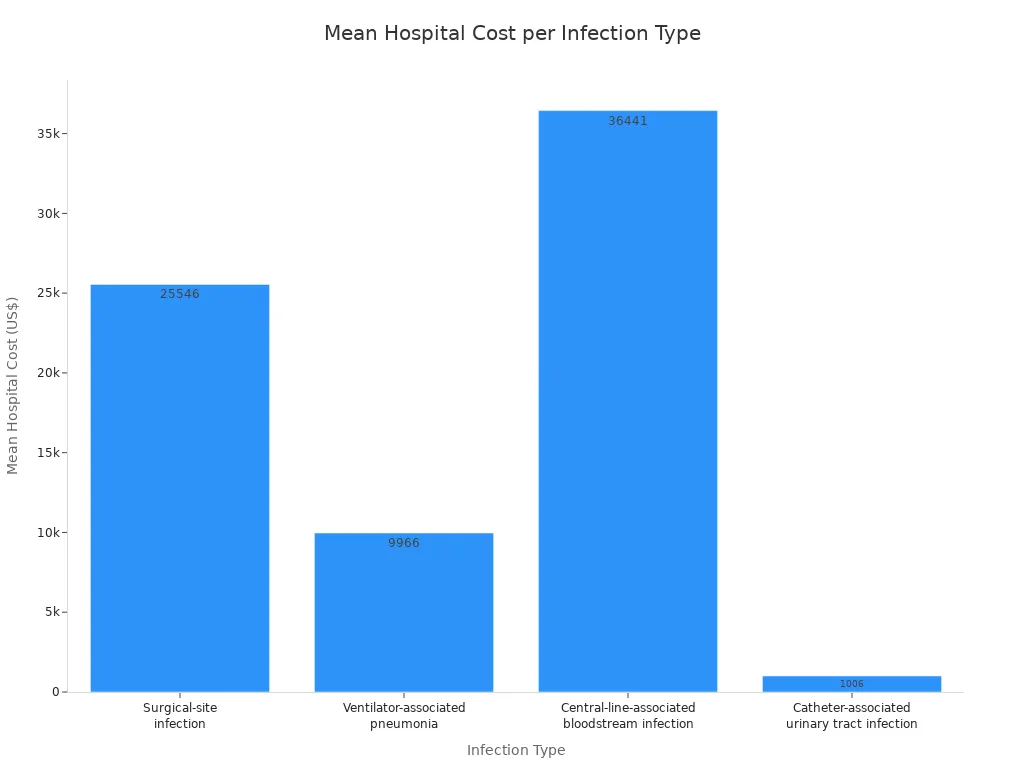
Hospitals regularly change or clean medical room curtains. This prevents infection; contaminated surfaces contribute to 20-40% of healthcare-associated infections (HAIs). The ideal frequency varies by hospital area and patient risk. Hospital curtain manufacturers offer diverse products, including antibacterial curtain options. Facilities often use disposable curtains for hospitals or other disposable curtains. Immediate action is necessary for visible soiling. HAIs also incur significant costs.
Key Takeaways
- Hospitals clean curtains often to stop germs from spreading. Dirty curtains can cause infections in patients and staff.
- How often curtains are cleaned depends on the hospital area. High-risk areas need cleaning more often than regular rooms.
- Not cleaning curtains enough can make people sick. It can also harm the hospital's good name and lead to fines.
Why Regular Cleaning of Medical Room Curtains is Essential

Regular cleaning of hospital curtains is a fundamental practice in healthcare facilities. This routine maintenance goes beyond aesthetics; it forms a critical barrier against the spread of harmful microorganisms. Hospitals prioritize this task to protect patients, staff, and the overall integrity of the care environment.
Preventing Healthcare-Associated Infections (HAIs)
Hospital curtains, often touched by many individuals, can become reservoirs for various pathogens. These surfaces contribute significantly to the transmission of healthcare-associated infections (HAIs). Studies show that common bacteria and viruses can survive on curtain fabrics for extended periods. For instance, C. difficile spores can persist for up to five months, and Methicillin-resistant Staphylococcus aureus (MRSA) can survive for up to seven months on surfaces.
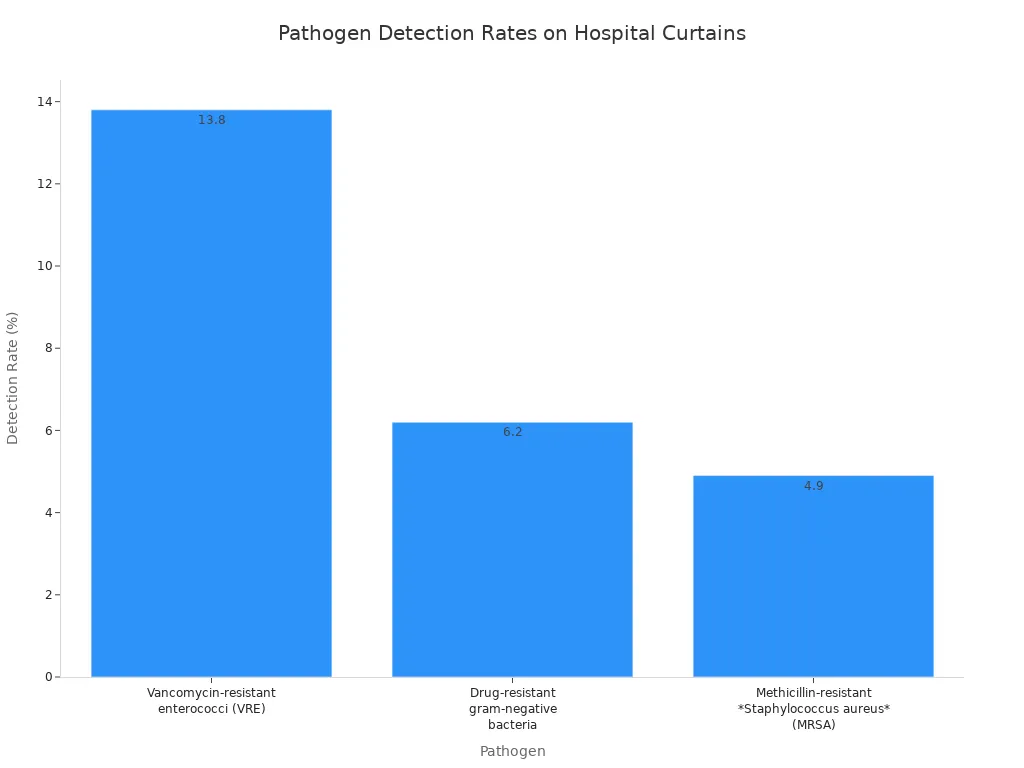
Research consistently identifies a range of dangerous pathogens on hospital Privacy Curtains. These include Methicillin-resistantStaphylococcus aureus (MRSA) and Vancomycin-resistant enterococcus (VRE).
| Pathogen | Detection Rate |
|---|---|
| Vancomycin-resistant enterococci (VRE) | 13.8% |
| Drug-resistant gram-negative bacteria | 6.2% |
| Methicillin-resistant Staphylococcus aureus (MRSA) | 4.9% |
| Acinetobacter baumannii | Included in gram-negative |
| Klebsiella pneumoniae | Included in gram-negative |
| Enterobacter cloacae | Included in gram-negative |
These medical room curtains become contaminated rapidly. One study found 92% of curtains showed contamination within one week. This included 21% with MRSA and 42% with VRE. Janet Haas, a past president of APIC, emphasized the importance of this. She stated, "Keeping the patient’s environment clean is a critical component in preventing healthcare-associated infections. Because privacy curtains could be a mode of disease transmission, maintaining a schedule of regular cleaning offers another potential way to protect patients from harm while they are in our care." Contaminated curtains have directly linked to outbreaks. A 2002 study attributed curtains as the primary reservoir for a carbapenem-resistant Acinetobacter baumannii outbreak in an intensive care unit. Another study identified curtains as a potential source of group A streptococcus cross-transmission in an ear–nose–throat ward.
Ensuring Patient and Staff Safety
The safety of both patients and healthcare workers relies heavily on effective infection control measures. Hospital curtains, frequently touched by patients, visitors, and staff, present a significant risk for pathogen transmission. Healthcare workers are responsible for limiting exposure to HAIs. While hand hygiene is a primary intervention, compliance can vary. Studies show a high risk of gloves transferring bacteria from curtains to patients. When healthcare workers reposition curtains after performing hand hygiene and donning gloves, they can inadvertently pick up and transfer bacteria.
Numerous studies have identified pathogens like MRSA, VRE, and Clostridium difficile on hospital curtains. These findings highlight curtains as a potential vector for bacteria associated with HAIs. This requires interventions beyond simple hand hygiene. For example, an epidemic of Acinetobacter baumannii in 2002 in a Birmingham ICU identified bedside curtains as the primary source. A recent outbreak of Group A Streptococcus (GAS) in a Nottingham ENT ward found 10 out of 34 bedside curtains were reservoirs of GAS. These instances underscore the direct threat contaminated curtains pose to patient and staff well-being.
Maintaining a Hygienic Environment
A clean and hygienic environment is fundamental to patient care and recovery. Regular cleaning of hospital curtains contributes significantly to this. It helps create an atmosphere of professionalism and trust. Patients and their families expect a clean environment. Visible cleanliness reassures them about the quality of care they receive. Conversely, soiled or visibly dirty curtains can undermine confidence in the facility's commitment to hygiene. Beyond infection control, maintaining clean curtains supports a positive patient experience. It reflects the hospital's dedication to high standards of care. This commitment extends to every aspect of the patient's surroundings.
Recommended Frequencies for Hospital Curtain Maintenance
Hospitals establish specific schedules for maintaining privacy curtains. These schedules ensure continuous infection control and a hygienic environment. The frequency of changing or cleaning curtains depends heavily on the specific area within the hospital and the associated risk of contamination.
General Ward Curtains Cleaning Schedule
General ward curtains require regular attention to prevent pathogen buildup. Healthcare facilities typically clean curtains in standard patient rooms and general wards every one to three months. This frequency addresses moderate exposure to contamination. It helps prevent bacterial accumulation. Best practices include regular laundering or replacing these curtains with fresh ones. The Centers for Disease Control and Prevention (CDC) advises cleaning and disinfecting hospital curtains when they appear visibly soiled. They also recommend cleaning after any spill of blood or body fluids. Regular cleaning, such as daily or weekly, is also important. The exact frequency depends on contamination risk. The National Standards of Healthcare Cleanliness 2021 categorize functional areas by risk. This determines the frequency for blinds, curtains, and screens. All such items must remain visibly clean. They should be free from blood, bodily substances, dust, dirt, debris, stains, or spillages. Cleaning schedules must include these items, and records must be maintained.
High-Risk Area Curtain Change Frequency
Areas with a higher risk of contamination demand more frequent curtain changes or cleaning. Operating rooms, emergency departments, and intensive care units fall into this category. These environments experience high patient turnover and often involve procedures with a greater potential for bodily fluid exposure. While general wards might follow a monthly or quarterly schedule, high-risk areas often require weekly or even daily changes. This proactive approach minimizes the spread of highly resistant pathogens. It protects vulnerable patients. Facilities must implement robust protocols for these critical zones.
Outpatient Clinic and Examination Room Curtain Protocols
Outpatient clinics and examination rooms also require strict curtain maintenance protocols. Hospitals must adhere to strict guidelines for cleaning fabric curtains. This includes regular washing to prevent contamination. Frequent replacements may become necessary, especially in busy clinics. Modern hospital curtain tracks facilitate easy curtain changes. These quick-change systems minimize downtime. They ensure the continuous availability of fresh, clean curtains. Choosing the right material also aids infection control. Selecting antimicrobial or disposable curtains helps healthcare facilities maintain hygiene with minimal maintenance. Facilities should implement a routine cleaning schedule for privacy curtains. This maintains a hygienic environment and prevents contaminant buildup. Staff must periodically inspect privacy curtains for wear or damage. They should promptly replace any frayed, torn, or difficult-to-clean curtains. Healthcare staff also need training on the appropriate and consistent use of privacy curtains. This includes proper drawing during patient interactions and sensitive procedures. Integrating privacy curtains into facility infection control protocols ensures proper cleaning and handling. This prevents infection spread. Facilities should also inform patients about the purpose and benefits of privacy curtains. This encourages them to request their use for comfort and privacy.
Immediate Curtain Change or Cleaning Triggers
Certain situations necessitate an immediate change or cleaning of medical room curtains, regardless of the routine schedule. Visible grime or stubborn stains on the fabric trigger immediate action. These can result from medical equipment contact, bodily fluids, or accumulated dust and dirt. Lingering unpleasant odors also signal a need for immediate intervention. These odors can originate from cleaning agents, bodily fluids, or outdoor contaminants. They may indicate the presence of harmful bacteria. Isolation cases always require an immediate curtain change. Staff must bag soiled curtains properly. Any visibly stained curtains also necessitate their immediate change and bagging. These triggers ensure rapid response to potential contamination events.
Factors Influencing Hospital Curtain Cleaning Frequency
Several factors dictate how often hospitals change or clean privacy curtains. These elements ensure effective infection control and maintain a sterile environment.
Healthcare Setting and Patient Population Impact
The specific healthcare setting significantly influences curtain cleaning frequency. High-traffic areas, such as emergency rooms or intensive care units, accumulate pathogens more rapidly. These areas require more frequent changes. Similarly, patient populations with compromised immune systems necessitate stricter cleaning protocols. Vulnerable patients face higher risks from environmental contaminants.
Curtain Material and Design Considerations
The material and design of medical room curtains play a crucial role. Some curtains, like B-Clean™ Curtains, use 100% polypropylene fabric impregnated with anti-bacterial and anti-mildew chemicals, including nanometer silver. These materials inhibit bacterial growth, potentially reducing the frequency of changes. Polypropylene curtains with silver ion technology actively eliminate up to 99.9999% of bacterial growth, staying cleaner between washes. Marlux® curtains with Microban® silver ion technology also protect against antibiotic-resistant bacteria like MRSA. Untreated polypropylene, however, does not naturally resist bacterial growth.
Facility-Specific Policies and Protocols
Each hospital develops its own detailed policies and protocols for curtain maintenance. These internal guidelines consider the facility's unique layout, patient flow, and available resources. They establish specific schedules and procedures for cleaning, replacement, and disposal.
Local Infection Control Guidelines
Hospitals must comply with local infection control guidelines. These regulations often provide minimum standards for environmental cleaning, including privacy curtains. Adherence to these guidelines ensures a baseline level of hygiene and patient safety across all healthcare facilities.
Best Practices for Hospital Curtain Management
Effective management of hospital curtains is crucial for infection control and maintaining a hygienic environment. Hospitals implement several best practices to ensure these essential barriers remain clean and safe.
Establishing Clear Maintenance Protocols
Hospitals must establish clear, documented protocols for curtain maintenance. These guidelines detail cleaning schedules, replacement procedures, and staff responsibilities. Robust protocols ensure consistency and accountability across all departments. They also provide a framework for training new staff members on proper curtain handling.
Effective Cleaning Agents and Methods for Curtains
Hospitals employ various effective methods for disinfecting curtains. Steam vapor offers an effective physical method, often used with patients in the room. UV-C light technology sanitizes surfaces and equipment, acting as a natural cleaner against pathogens. Fogger-like chemical technologies target bacteria, but staff must consider the potential for inhaling harmful chemicals. For thorough cleaning, experts recommend washing hospital curtains with bleach and hot water. Post-laundry testing ensures no hazardous substances remain. Other methods include steam cleaning, which uses high heat without chemicals, and chemical cleaning with hospital-grade disinfectants. Traditional laundering by off-site commercial services provides a complete reset, using industrial washers and high-temperature drying.
Implementing a Curtain Change Tracking System
A robust tracking system helps hospitals monitor curtain maintenance. This system records when staff last cleaned or changed each curtain. It ensures adherence to established schedules and identifies curtains due for service. Digital tracking systems can streamline this process, improving efficiency and accuracy.
Evaluating Disposable Curtain Options
Hospitals often evaluate disposable curtain options. Disposable curtains offer initial cost savings and can reduce infection spread if staff changes them frequently. However, they increase hospital waste and disposal costs. They can also harbor superbugs within weeks if not changed regularly. Reusable curtains, conversely, offer improved patient comfort and reduced long-term costs. They decrease waste and provide sustainability. Reusable medical room curtains are durable, customizable, and easy to maintain through machine washing or professional laundering. They also meet regulatory compliance standards.
Risks of Inadequate Medical Room Curtains Maintenance

Neglecting the proper maintenance of hospital curtains poses significant threats to patient safety, staff well-being, and the overall integrity of a healthcare facility. These risks extend beyond simple aesthetics, impacting infection control and operational compliance.
Increased Infection Transmission Risks
Inadequate cleaning or infrequent changing of hospital curtains directly elevates the risk of infection transmission. Contaminated medical room curtains can harbor dangerous pathogens like MRSA, VRE, and C. difficile. Patients and staff frequently touch these surfaces, creating opportunities for cross-contamination. This oversight can lead to outbreaks of healthcare-associated infections (HAIs), compromising patient recovery and increasing morbidity.
Compromised Patient and Staff Well-being
When curtains remain unclean, they become breeding grounds for bacteria and viruses. This directly jeopardizes the health of both patients and healthcare workers. Patients, often already vulnerable, face exposure to harmful microorganisms, potentially prolonging their hospital stays or worsening their conditions. Staff members also risk exposure, which can lead to illness and absenteeism, impacting the facility's operational capacity.
Negative Impact on Facility Reputation
A hospital's commitment to hygiene directly influences its public perception. Visible dirt, stains, or odors on privacy curtains signal a lack of attention to cleanliness. This can severely damage a facility's reputation, eroding patient trust and confidence. A poor reputation can lead to reduced patient volumes and negative public sentiment, affecting the hospital's standing within the community.
Potential Regulatory Non-Compliance
Failure to maintain hospital curtains according to established guidelines can result in serious regulatory non-compliance. Regulatory bodies, such as the EPA and OSHA, enforce strict standards for environmental hygiene in healthcare settings. Violations can trigger substantial financial penalties, ranging from thousands to millions of dollars, depending on the severity of the breach. Facilities may also incur additional costs for corrective actions, legal fees, and increased insurance premiums. Furthermore, non-compliance can lead to legal action, including lawsuits and even criminal charges, especially if improper hygiene practices cause environmental contamination or harm to public health. Maintaining compliance is crucial for preserving trust and safety in the industry.
Consistent adherence to curtain cleaning schedules remains vital for effective infection control. Hospitals must implement robust protocols to ensure optimal curtain hygiene. Tailoring cleaning frequencies to specific departmental risks significantly enhances overall patient safety. These comprehensive practices collectively safeguard both patients and staff within healthcare environments.
FAQ
How often do hospitals change privacy curtains?
Hospitals change general ward curtains every 1-3 months. High-risk areas require weekly or daily changes. Visible soiling or contamination triggers immediate replacement.
Why is regular cleaning of hospital curtains important?
Regular cleaning prevents healthcare-associated infections (HAIs). It ensures patient and staff safety. This practice also maintains a hygienic environment within the facility.
What factors influence curtain cleaning frequency?
The healthcare setting, patient population, curtain material, and facility policies influence frequency. Local infection control guidelines also play a role.
