

 Send Email
 whatsapp


How Disposable Hospital Curtains Enhance Patient Safety
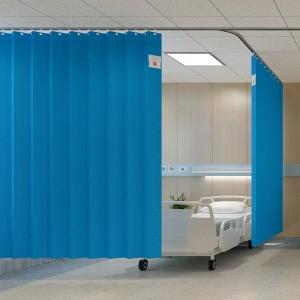
Disposable hospital curtains serve a vital purpose in infection control within healthcare environments. Thesemedical curtainscreate a crucial barrier against pathogens, ensuring a safer atmosphere for patients. Recent studies indicate that these hospital privacy screens can lower cross-contamination risks by 40%, providing a fresh surface for each patient. The use of these curtains in hospitals significantly enhances overall patient safety, making them an essential component of effective infection prevention strategies. Additionally,medical disposable curtains, such as the ICU partition curtain, further contribute to maintaining hygiene and privacy in critical care settings.
Key Takeaways
- Disposable hospital curtains significantly reduce infection risks by providing a fresh surface for each patient, lowering cross-contamination by up to 40%.
- Switching to disposable curtains simplifies cleaning protocols, allowing staff to focus more on patient care and enhancing overall operational efficiency.
- Using disposable curtains improves patient satisfaction by creating a clean and welcoming environment, which fosters trust and comfort during their healthcare experience.
Infection Risks of Traditional Curtains
Traditional hospital curtains pose significant infection risks due to their frequent exposure to pathogens. These curtains often serve as reservoirs for harmful bacteria, which can compromise patient safety.
Contamination Sources
Numerous studies highlight the alarming rates of contamination found on traditional hospital curtains. Research indicates that:
- 92% of curtains showed contamination within one week of use.
- 95% of curtains demonstrated contamination on at least one occasion.
The primary sources of contamination include:
- Healthcare worker interactions: Contaminated hands can transfer pathogens to surfaces, including curtains. Proper hand hygiene is essential to control pathogen transmission.
- High-risk areas: Units such as burn and plastic surgery wards exhibit considerable bacterial presence. Multi-resistant strains, including Methicillin-resistant Staphylococcus aureus (MRSA), have been documented on these curtains.
- Frequent handling: Patients, visitors, and healthcare providers often touch these curtains, increasing the likelihood of contamination.
Notably, pathogens commonly found on traditional hospital curtains include:
- Staphylococcus aureus
- Methicillin-resistant Staphylococcus aureus (MRSA)
- Vancomycin-resistant enterococcus (VRE)
- Aerobic gram-negative rods
Research shows that 21% of curtains tested positive for MRSA, while 42% exhibited contamination with VRE. These statistics underscore the critical need for effective infection control measures.
Cross-Contamination Issues
Cross-contamination remains a significant concern in healthcare settings. Studies indicate that bacteria causing healthcare-associated infections (HAIs) often reside in patient privacy curtains. The risk escalates when healthcare workers neglect to wash or disinfect their hands after touching these surfaces.
The following points illustrate the cross-contamination issues associated with traditional hospital curtains:
- Privacy curtains can become contaminated within a week of use and may remain in place for months, increasing the risk of spreading infections.
- A study from the University of Manitoba found that cubicle curtains can harbor multiple strains of bacteria, including MRSA. By the end of a three-week study, 100% of curtains in patient rooms tested positive for MRSA.
- Outbreaks of HAIs have been traced back to contaminated curtains, highlighting their role as vectors for bacteria and viruses.
Benefits of Disposable Hospital Curtains
Reduced Risk of Infection
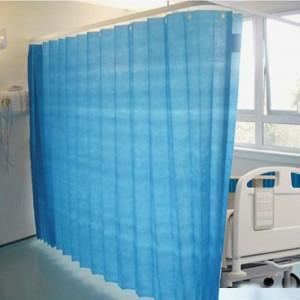
Disposable hospital curtains significantly enhance infection control in healthcare settings. Their single-use nature minimizes the risk of cross-contamination, which is a critical factor in patient safety. Research indicates that these curtains can lower microbial load in patient care areas by up to 40%. This reduction is particularly vital in high-risk environments such as emergency departments and operating rooms.
The antimicrobial properties of disposable curtains further contribute to their effectiveness. For instance, studies show that sporicidal curtains used in intensive care units (ICUs) exhibit antimicrobial activity against pathogens like C difficile. This capability helps reduce the risk of healthcare-associated infections (HAIs). In fact, the use of disposable patient drapes has been linked to a reduction in infection rates by as much as 30%, enhancing overall patient safety.
Moreover, traditional reusable curtains often become contaminated within a week of use. A study published in the American Journal of Infection Control highlights that 92% of these curtains harbor dangerous bacteria like MRSA and VRE. In contrast, disposable hospital curtains can be changed frequently, effectively interrupting the cycle of germ transmission and providing a safer environment for patients.
Single-Use Convenience
The convenience of single-use disposable hospital curtains cannot be overstated. These curtains eliminate the need for extensive cleaning protocols associated with traditional fabric curtains. Hospitals can avoid the costs and time required for laundering, allowing staff to focus on patient care rather than maintenance tasks.
Additionally, disposable curtains provide a fresh, uncontaminated environment for each patient. This feature is crucial for maintaining hygiene standards, especially in high-turnover areas like emergency rooms and intensive care units. The rapid room turnover supported by disposable curtains ensures that patients receive care in a clean and safe setting.
The advantages of single-use curtains extend beyond infection control. They enhance the overall patient experience by improving the perception of cleanliness. Fresh curtains contribute to patient comfort and trust, which are essential components of quality healthcare.
| Advantage | Description |
|---|---|
| Elimination of Cross-Contamination | Disposable curtains are replaced entirely, reducing the risk of pathogens surviving on fabric. |
| Reduced Cleaning Burden | Hospitals avoid the costs and time associated with frequent laundering of traditional curtains. |
| Improved Patient Experience | Fresh curtains enhance the perception of cleanliness, contributing to patient comfort and trust. |
Operational Advantages of Disposable Hospital Curtains
Simplified Cleaning Protocols
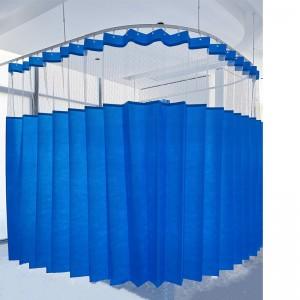
Disposable hospital curtains streamline cleaning protocols significantly. Their single-use design eliminates the need for laundering, which is a time-consuming process associated with traditional fabric curtains. Hospitals can quickly replace these curtains, providing a fresh, sterile barrier for each patient. This approach simplifies infection control measures and reduces the risk of cross-contamination.
- Hospitals have reported up to a 93% reduction in bacterial contamination after switching to disposable curtains.
- Changing curtains now takes only 20 seconds, compared to 20 minutes for traditional options. Some systems allow for curtain changes in 30 seconds or less.
- The absence of complex cleaning protocols allows staff to focus more on patient care rather than maintenance tasks.
The operational efficiency gained from using disposable curtains enhances overall patient safety and satisfaction.
Cost-Effectiveness Over Time
While the initial cost of disposable hospital curtains may seem higher, they prove to be cost-effective over time. An analysis indicates that the total lifecycle cost for reusable curtains is approximately $115,750 over seven years, while disposable curtains cost around $224,000 in the same timeframe. However, reusable curtains require frequent laundering, which adds to their overall expense.
| Aspect | Disposable Curtains | Fabric (Reusable) Curtains |
|---|---|---|
| Maintenance | Minimal; quick replacement | Requires regular cleaning, laundering, and rehanging |
| Staff Workload | Low; less labor-intensive | High; significant time and labor commitment |
| Time Efficiency | High; quick installation and replacement | Low; laundering increases time requirements |
| Infection Control | Frequent replacement possible | Requires strict schedules to prevent contamination |
| Operational Complexity | Low; no laundering needed | High; complex cleaning protocols |
| Impact on Patient Care | Staff focus more on patient care | More staff time spent on curtain maintenance |
By reducing the time spent on maintenance and enhancing infection control, disposable hospital curtains ultimately lead to better resource allocation and improved patient outcomes.
Disposable hospital curtains are essential for infection control. Their implementation serves as a proactive step towards enhancing patient safety. Facilities that adopt these curtains experience significant benefits:
- Infection Control: Disposable curtains significantly reduce the chances of infection transmission by being single-use.
- Antimicrobial Properties: They inhibit the growth of harmful microorganisms, ensuring a clean environment for each patient.
- Quick Changeout: Staff can replace curtains in under two minutes, allowing more focus on patient care.
- Enhanced Patient Satisfaction: A neat appearance contributes to a welcoming environment, improving overall patient comfort and trust.
Investing in disposable options can lead to better health outcomes in healthcare settings.
FAQ
What are disposable hospital curtains made of?
Disposable hospital curtains are typically crafted from durable polypropylene non-woven fabric, ensuring strength and antimicrobial properties for enhanced hygiene.
How often should disposable curtains be replaced?
Facilities should replace disposable curtains after each patient use or when visibly soiled to maintain optimal hygiene and infection control.
Are disposable hospital curtains environmentally friendly?
Yes, many disposable hospital curtains, like those from Esun, are made from 100% recyclable materials, supporting sustainable practices in healthcare settings.
