

 Send Email
 whatsapp


How Disposable Microfiber Mop Pads Help Hospitals Meet Hygiene Standards in 2025

Hospitals trust the Disposable Microfiber Mop Pad to keep floors spotless and safe. These single-use pads stop germs from spreading and help staff clean faster.
Microfiber mop pads let cleaning teams cover 23,000 square feet an hour, while cotton mops manage just 5,000:
| Mop Pad Type | Labor Efficiency (sq ft/hour) |
|---|---|
| Cotton Damp Mops | 5,000 |
| Microfiber Damp Mops | 23,000 |
Key Takeaways
- Disposable microfiber mop pads stop germs from spreading by using a fresh pad for each room, helping hospitals reduce infections and keep patients safe.
- These mop pads clean faster and better than cotton mops, saving staff time and effort while delivering consistent, high-quality results with just water.
- Hospitals save money and support sustainability by cutting laundry costs and reducing water and chemical use, all while meeting strict hygiene standards for 2025.
Disposable Microfiber Mop Pad for Infection Control
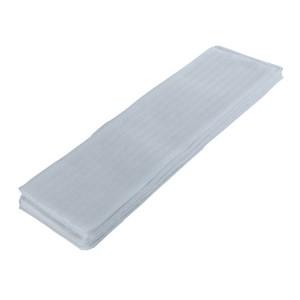
Preventing Cross-Contamination in Hospital Environments
Hospitals face a big challenge when it comes to stopping germs from spreading. Every patient room, hallway, and waiting area can carry bacteria and viruses. Cleaning teams need tools that help them keep these spaces safe. Disposable Microfiber Mop Pad makes this job easier.
- Disposable microfiber mop pads are single-use, so they do not carry germs from one room to another.
- Studies show that Reusable Mops can hold onto microbes, even after washing. Disposable pads avoid this problem.
- These pads remove over 99.7% of tested viruses and bacteria using only water.
- Hospitals use them in high-traffic areas and critical zones to lower the risk of spreading infections.
- Using a new mop pad in every patient room helps keep germs from moving around the hospital.
- Research at UC Davis Medical Center found that single-use microfiber mop pads stop contaminants from traveling between rooms.
Cleaning teams also follow strict routines. They change mop pads after each room. This simple step helps protect patients and staff. Hospitals see fewer healthcare-associated infections when they use disposable microfiber mop pads.
Single-Use Design for Critical Zones
Some areas in a hospital need extra care. Intensive care units (ICUs), operating rooms, and isolation wards must stay as clean as possible. The single-use design of the Disposable Microfiber Mop Pad fits these needs perfectly.
- Disposable mop pads remove over 99.7% of viruses and bacteria with just water.
- Hospitals report a 20% drop in C. difficile infection rates after switching to disposable pads.
- Microbial counts on floors drop by 76% when using microfiber wipes pre-soaked with disinfectant, compared to only 33% with traditional cleaning.
- On bathroom floors and shower trays, disposable microfiber cloths remove about 90% of bacteria, while traditional methods remove less than 10%.
Using a fresh pad for each cleaning session means no germs get left behind. Cleaning teams can work faster and more confidently. They know each room starts with a clean slate. This approach keeps critical zones safer for everyone.
Supporting Updated Hygiene Protocols
Hospital cleaning rules keep changing to meet new health challenges. The CDC’s guidelines talk about the risks of using reusable mops and cloths. Microfiber mop pads, especially when used once per room, help stop germs from spreading. Hospitals now use these pads as part of their standard cleaning routines.
Microfiber materials attract dust and microbes better than regular mops. They also soak up more liquid. Some hospitals have adopted single-use microfiber pads to reduce the chance of germs moving between rooms. Staff receive training on how to use these pads correctly. Hospitals also check that cleaning teams follow the right steps.
Disposable Microfiber Mop Pad supports these updated protocols. It helps hospitals keep up with the latest hygiene standards. Patients and staff can feel safer knowing that cleaning teams use the best tools for infection control.
Disposable Microfiber Mop Pad for Cleaning Efficiency and Compliance
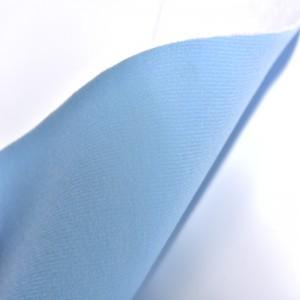
Consistent Cleaning Results Every Time
Hospitals need floors that look clean and stay safe for everyone. The Disposable Microfiber Mop Pad helps cleaning teams get the same great results every time they use it. Microfiber technology uses tiny fibers to grab dirt, dust, and germs better than cotton mops. These pads trap even the smallest particles, so nothing gets left behind.
- Studies show that both disposable and reusable microfiber mops remove more bacteria than cotton string mops, especially when cotton mops get reused without proper washing.
- Disposable microfiber cloths can remove 99.9% of germs, which lowers the risk of spreading infections.
- Microfiber pads work well with just water, so teams can clean without harsh chemicals.
Cleaning teams see fewer streaks and no leftover dirt. They can trust that each room gets the same level of clean, every single time.
Saving Staff Time and Reducing Workload
Hospital cleaning staff work hard and need tools that make their jobs easier. The Disposable Microfiber Mop Pad saves time and effort in several ways:
- Teams do not need to stop and wash mop pads between rooms. They just grab a new pad and keep going.
- Microfiber pads soak up more liquid, so floors dry faster and staff spend less time waiting.
- These pads use less water and fewer cleaning agents, which means fewer trips to refill supplies.
Tip: Cleaning teams can cover more ground in less time by switching to disposable microfiber pads. This helps them focus on other important tasks and keeps the hospital running smoothly.
A table below shows how microfiber mop pads help save time compared to cotton mops:
| Mop Type | Time to Clean 10 Rooms | Time Spent Laundering | Total Time Needed |
|---|---|---|---|
| Cotton String Mop | 60 minutes | 30 minutes | 90 minutes |
| Disposable Microfiber Pad | 40 minutes | 0 minutes | 40 minutes |
Staff finish their work faster and feel less tired at the end of the day.
Meeting 2025 Hygiene Standards
Hospitals must meet strict hygiene rules in 2025. The Disposable Microfiber Mop Pad helps them reach these goals. Research shows that these pads can remove up to 99.99% of harmful microbes, including bacteria and viruses. This high level of cleaning helps hospitals lower infection rates and keep patients safe.
Hospitals that use disposable microfiber mop pads follow best practices like:
- Changing pads after every patient room
- Using color-coded pads for different areas
- Skipping the laundry process to avoid spreading germs
Scientific studies confirm that microfiber pads outperform traditional cotton mops. They remove more bacteria and viruses, even when used with just water. Hospitals that switch to disposable microfiber mop pads can meet the tough hygiene standards set for 2025. They also make cleaning routines easier and more reliable.
Practical Considerations with Disposable Microfiber Mop Pad
Environmental Impact and Waste Management
Hospitals care about both cleanliness and the planet. Many studies show that disposable microfiber mop pads can help reduce water and chemical use. Since these pads do not need washing, hospitals save thousands of gallons of water each year. A Life Cycle Assessment by Contec Professional found that disposable pads often have a lower environmental impact than reusable ones because they skip the laundry process. Some companies now use recycled materials to make these pads, which helps cut down on plastic waste. Hospitals can also join recycling programs or set up special waste bins to manage used pads responsibly. Balancing infection control and sustainability is possible with smart choices and new technology.
- Disposable pads save water and energy by avoiding laundry.
- Using recycled materials lowers the carbon footprint.
- Hospitals can recycle used pads through special programs.
Cost-Effectiveness for Hospitals
Hospital budgets matter. Disposable microfiber mop pads may cost more per use, but they save money in other ways. Hospitals do not pay for laundry, repairs, or replacement of worn-out reusable mops. These pads also help prevent infections, which can be expensive to treat. Studies show that using disposable pads reduces the risk of spreading germs between rooms. Hospitals also meet hygiene rules more easily, which can help avoid fines or extra costs.
- No laundry or maintenance costs.
- Fewer infections mean lower treatment expenses.
- Consistent cleaning performance saves time and money.
Integration with Hospital Cleaning Protocols
Switching to disposable pads is simple for most hospitals. Cleaning teams can use them with existing mop frames. Staff just grab a new pad for each room, clean, and then throw it away. This routine fits well with strict cleaning rules in hospitals. Many hospitals train their teams to use color-coded pads for different areas, making it easy to follow safety guidelines. Disposable pads help hospitals keep up with changing health standards and make cleaning faster and safer.
Tip: Hospitals can improve both safety and efficiency by adding disposable pads to their cleaning routines.
Hospitals see real results with disposable microfiber mop pads. They help stop germs, boost cleaning speed, and save money. The table below shows how these pads support infection control, cleaning efficiency, and cost savings:
| Aspect | Benefit |
|---|---|
| Infection Control | Removes up to 98% of bacteria and 93% of viruses; lowers infection risk |
| Cleaning Efficiency | 99.95% cleaning rate; saves 95% water and chemicals |
| Cost-Effectiveness | Cuts costs and supports sustainability |
FAQ
How often should hospitals change disposable microfiber mop pads?
Hospitals should use a new pad for each patient room or critical area. This helps stop germs from spreading and keeps cleaning safe.
Can Esun disposable microfiber mop pads fit most hospital mop frames?
Yes, Esun pads come with a secure adhesive backing. They attach easily to most standard mop frames used in hospitals.
Are Esun disposable microfiber mop pads safe for sensitive floors?
Yes! The soft microfiber fabric cleans without scratching. Hospitals can use these pads on tile, vinyl, or sealed wood floors with confidence.