

 Send Email
 whatsapp


How Microfiber Disposable Mop Pads Improve Cleaning Efficiency

Microfiber disposable mop pads, includinghospital disposable mop pads, excel in removing dirt and bacteria compared to traditional cleaning methods. Research indicates that these medical microfiber mop pads significantly reduce bioburden on floors, outperforming conventional mops. Their single-use design effectively prevents cross-contamination, ensuring higher hygiene standards, which is crucial in healthcare settings. These healthcare cleaning mop pads contribute to faster and more efficient cleaning processes in various environments. If you're wondering what are microfiber disposable mop pads, they are an essential tool for maintaining cleanliness and safety.
Key Takeaways
- Microfiber disposable mop pads remove up to 99% of bacteria, making them far more effective than traditional mops.
- Using single-use mop pads prevents cross-contamination, ensuring a cleaner and safer environment, especially in healthcare settings.
- These mop pads are compatible with various disinfectants, enhancing cleaning efficiency without compromising performance.
Microfiber Disposable Mop Pads and Superior Dirt Removal
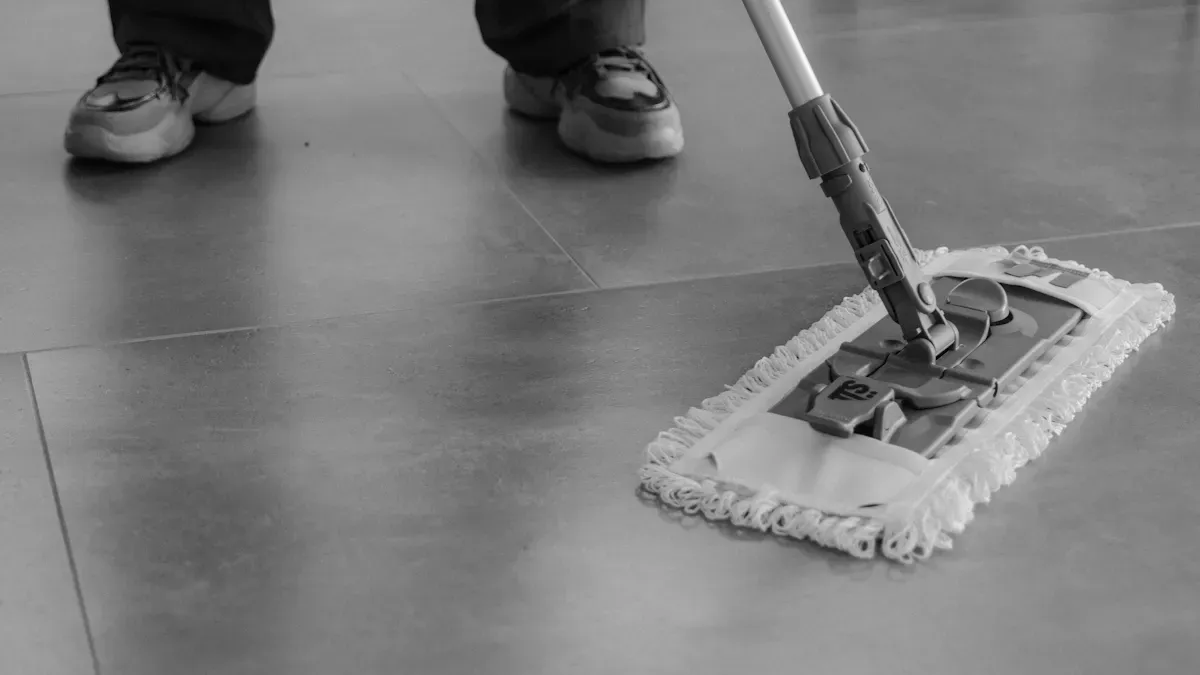
Microfiber disposable mop pads excel in capturing dirt and bacteria due to their unique technology. The structure of microfiber allows it to outperform traditional cleaning materials significantly.
How Microfiber Technology Captures More Dirt and Bacteria
Microfiber technology operates on two primary mechanisms: surface area and electrostatic attraction. The fibers in microfiber mop pads are split into tiny strands, creating grooves that are 1/100th the width of a human hair. This design increases the surface area, allowing the mop pads to trap microbes effectively in physical channels. Additionally, the polyester fibers possess a positive charge, which attracts negatively charged particles like grease and dust.
Research supports these claims, showing that microfiber can remove 99% of bacteria using only water. It can absorb up to seven times its weight in oil and maintain effectiveness for over 100 washes. In contrast, traditional mop materials often fail to achieve similar results. For instance, studies indicate that microfiber mops can remove between 95% to 98% of bacteria, while traditional cotton mops only manage to eliminate approximately 30% to 68%. This stark difference highlights the superior cleaning capabilities of microfiber technology.
| Mechanism | How It Works | Real-World Impact |
|---|---|---|
| Surface Area & Capillary Action | Splitting creates grooves 1/100th human hair width | Traps microbes in physical channels |
| Electrostatic Attraction | Polyester fibers hold positive charge | Pulls negatively charged grease and dust |
Compatibility with Disinfectants for Enhanced Cleaning
Microfiber disposable mop pads are not only effective at capturing dirt but also compatible with various disinfectants. This compatibility ensures that the cleaning agents remain effective without degrading the performance of the mop pads. Quat and peroxide-based disinfectants work well with these pads, allowing for thorough cleaning in sensitive environments.
For example, the Advantex Single-Use Microfiber Mop is compatible with all disinfectants, including quats, chlorine, and peroxides. Studies have shown that disposable microfiber mop pads demonstrate a cleaning efficacy of 99.99% against human coronavirus OC43. They can remove 99.9% of tested viruses and bacteria using only water, showcasing their effectiveness even without additional chemicals.
Preventing Cross-Contamination with Disposable Mop Pads

Benefits of Single-Use Design in Hygiene Control
The single-use design of microfiber disposable mop pads plays a crucial role in controlling hygiene. Each pad serves one cleaning session and then gets discarded, eliminating the chance of transferring microbes from one area to another. This approach significantly reduces the risk of spreading bacteria and fungi, especially in environments where cleanliness is critical, such as hospitals and food service facilities.
Using a fresh mop pad for every task ensures a clean surface that does not carry contaminants from previous cleaning. This practice helps maintain strict infection control protocols and supports safer environments for patients, staff, and customers.
The disposable nature of these mop pads also simplifies cleaning workflows. Staff can quickly replace pads without the need for laundering or disinfecting reusable Mop Heads. This efficiency reduces downtime and minimizes human error that might occur during mop maintenance. Overall, single-use microfiber disposable mop pads enhance hygiene control by providing a reliable, uncontaminated cleaning tool every time.
Comparison to Reusable and Traditional Mop Pads
Reusable mop pads and traditional cotton mops often retain bacteria and fungi even after washing. Studies show that reusable mop heads may harbor pathogens that spread infections between rooms or zones. In contrast, disposable microfiber mop pads prevent this risk by offering a sterile cleaning surface for each use.
| Metric | Disposable Mop Pads | Reusable Mop Pads |
|---|---|---|
| Decontamination Efficacy | 79.8% | 93.6% |
| Absorbency | N/A | High |
| Fluid Retention | N/A | High |
| Operational Efficiency | High | Streamlined |
| Environmental Impact | Higher usage | Reduced usage |
While reusable mop pads show higher decontamination efficacy and absorbency, they require laundering and maintenance that can introduce contamination risks. Disposable mop pads sacrifice some absorbency but excel in operational efficiency and hygiene control. Facilities using disposable pads benefit from a significant reduction in cross-contamination, which is vital in healthcare and other sensitive settings.
Hygiene, Cost, and Environmental Benefits
Reducing Bacteria and Allergens in Sensitive Environments
Microfiber disposable mop pads provide exceptional hygiene benefits in sensitive settings such as hospitals, schools, and pediatric clinics. These pads remove bacteria and allergens more effectively than many traditional cleaning tools. A 2021 study published in the Journal of Applied Microbiology demonstrated that microfiber mops achieve a bacteria removal rate of 99.4%, significantly outperforming Swiffer dry sweeping pads (58.7%) and wet pads (63.2%).
| Cleaning Method | Bacteria Removal Rate | Source |
|---|---|---|
| Microfiber Mop | 99.4% | 2021 study in Journal of Applied Microbiology |
| Swiffer Dry Sweeping Pads | 58.7% | 2021 study in Journal of Applied Microbiology |
| Swiffer WetJet Pads | 63.2% | 2021 study in Journal of Applied Microbiology |
Audits conducted in schools and pediatric clinics confirm that cleaning protocols using microfiber mop pads reduce bacteria and allergens without relying on harsh chemicals. This reduction helps protect vulnerable populations from infections and allergic reactions. The ability to clean thoroughly while maintaining safety standards makes microfiber disposable mop pads ideal for environments demanding strict hygiene control.
Cost-Effectiveness and Eco-Friendly Cleaning Practices
Facilities face a trade-off when choosing between disposable and reusable mop pads. Reusable microfiber pads become more cost-effective over time due to their ability to withstand 150 to 200 cleaning cycles. This durability spreads the initial investment across many uses, lowering the cost per cleaning session. Conversely, disposable microfiber mop pads have a lower upfront cost and eliminate laundering expenses but incur higher ongoing costs because of frequent replacements.
Disposable Pads:
- Pros: Low initial cost, easy bulk purchasing
- Cons: Higher cumulative expense, frequent replacement needed
Reusable Pads:
- Pros: Long-term savings through multiple uses
- Cons: Higher upfront cost, requires washing and maintenance
Environmental impact assessments reveal that single-use microfiber mop pads generate significantly lower environmental burdens across all EPA TRACI categories compared to reusable laundered mops. The main factors include production and disposal for disposable pads versus energy and chemical use during washing and drying for reusable pads.
| Mop System | Environmental Impact | Dominant Factors |
|---|---|---|
| Single-use Mop | Significantly lower across all EPA TRACI categories | Production and end-of-life |
| Reusable Laundered Mop | Significantly higher across all EPA TRACI categories | Washing and drying (energy and chemicals) |
Choosing microfiber disposable mop pads supports eco-friendly cleaning by reducing water and energy consumption associated with laundering. Facilities can balance hygiene, cost, and environmental goals by selecting the mop system that best fits their cleaning frequency and sustainability priorities.
Microfiber disposable mop pads significantly enhance cleaning efficiency through superior dirt and bacteria removal. Their single-use design minimizes cross-contamination risks, particularly in critical areas like operating rooms and intensive care units. Facilities report improved staff efficiency, as employees spend less time on laundering and more on cleaning tasks. Overall, these mop pads offer cost-effective and environmentally responsible cleaning solutions suitable for various settings.
FAQ
What are the main advantages of using microfiber disposable mop pads?
Microfiber disposable mop pads offer superior dirt removal, prevent cross-contamination, and enhance hygiene standards in various environments.
How often should I replace microfiber disposable mop pads?
Replace microfiber disposable mop pads after each cleaning session to maintain optimal hygiene and prevent the spread of bacteria.
Are microfiber disposable mop pads environmentally friendly?
Yes, microfiber disposable mop pads reduce water and energy usage compared to reusable options, making them a more eco-friendly choice for cleaning.
