

 Send Email
 whatsapp


How Reusable Cubicle Curtains Improve Hospital Hygiene

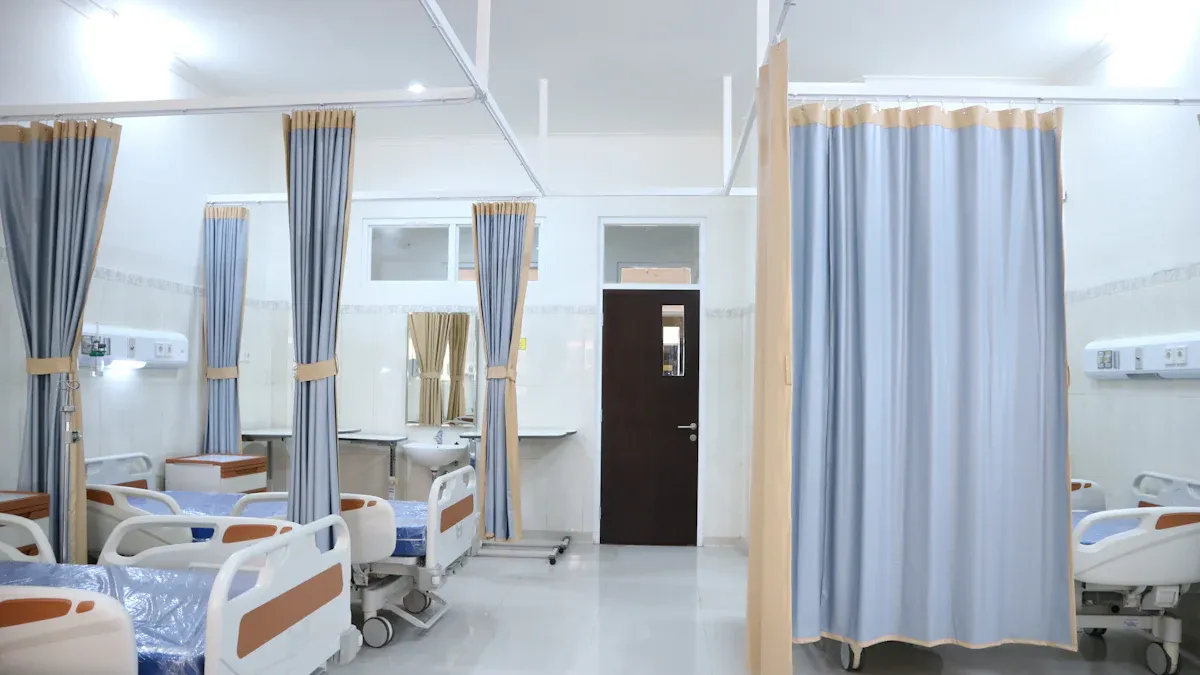
Hospitals face constant challenges in maintaining hygiene, especially in shared spaces like patient rooms. A reusable Cubicle Curtain offers an effective way to tackle this issue. Its design minimizes contamination risks, creating a safer environment for patients and staff. By using these curtains, healthcare facilities can enhance cleanliness while promoting infection control.
Key Takeaways
- Reusable Cubicle Curtains help lower infection risks in hospitals. They stop germs from spreading and have germ-killing features.
- Cleaning these curtains often is very important. Make a plan to keep them clean and safe to use.
- Using reusable curtains saves money over time. It also helps the environment by cutting down on trash.
The Role of Reusable Cubicle Curtains in Hospital Hygiene
Hygiene Challenges in Healthcare Settings
Hospitals face unique hygiene challenges every day. Shared spaces, high patient turnover, and frequent staff movement create an environment where pathogens can spread quickly. According to recent statistics, 1 in 31 hospital patients suffers from at least one healthcare-associated infection (HAI). These infections not only compromise patient health but also increase hospital costs and strain resources.
Privacy curtains, often overlooked, play a significant role in this issue. Studies reveal that 95% of standard curtains show contamination, with 21% harboring dangerous pathogens like MRSA. This contamination can occur within days of installation, making it a critical hygiene concern. Addressing these challenges requires innovative solutions, and reusable cubicle curtains offer a practical answer.
How Reusable Cubicle Curtains Prevent Pathogen Spread
Reusable cubicle curtains are designed to combat the spread of harmful microorganisms. Many of these curtains incorporate antimicrobial properties, such as silver ions, which actively fight bacteria and viruses. Research shows that antimicrobial curtains take longer to become contaminated compared to standard ones. This feature provides an added layer of protection in high-risk environments.
Additionally, these curtains are washable and comply with the EN13795 standard, ensuring they maintain their protective qualities even after multiple cleaning cycles. Hospitals that have adopted reusable cubicle curtains report a noticeable reduction in infection rates, with some facilities seeing a decrease of up to 30%. By replacing traditional curtains with reusable options, healthcare facilities can significantly lower the risk of infection outbreaks.
| Study Focus | Findings |
|---|---|
| Contamination Levels | 95% of standard curtains showed contamination, including 21% with MRSA. |
| Resistance to Contamination | Antimicrobial curtains took longer to become contaminated than standard curtains. |
| Effectiveness of Laundering | Standard laundering was not 100% effective; antimicrobial curtains showed significantly lower contamination levels. |
Importance of Cleaning and Maintenance for Hygiene
Regular cleaning and maintenance are essential for ensuring the effectiveness of reusable cubicle curtains. Curtains can harbor harmful pathogens, including drug-resistant bacteria, even when they appear clean. The CDC recommends cleaning curtains when visibly soiled, after spills, and on a regular schedule, such as daily or weekly, depending on the level of contamination risk.
Hospitals should establish strict cleaning protocols to maximize hygiene. For example:
- Inspect curtains regularly for visible stains or damage.
- Use hospital-grade detergents and follow manufacturer guidelines for laundering.
- Train staff to handle curtains properly during installation and removal to avoid cross-contamination.
By prioritizing maintenance, hospitals can extend the lifespan of reusable cubicle curtains while ensuring a safer environment for patients and staff.
Advantages of Reusable Cubicle Curtains
Easy Cleaning and Maintenance
Reusable cubicle curtains are designed with practicality in mind. Their materials make cleaning a breeze, ensuring they stay hygienic and ready for use. Unlike traditional curtains, which often require professional cleaning services, these curtains can be laundered in-house. This convenience saves time and reduces the risk of contamination during handling.
Hospitals can easily integrate reusable cubicle curtains into their existing cleaning schedules. Many of these curtains are made from durable fabrics that withstand frequent washing without losing their antimicrobial properties. This durability ensures they remain effective in preventing the spread of pathogens, even after multiple cleaning cycles. By simplifying maintenance, these curtains help healthcare facilities maintain a cleaner environment with less effort.
Cost Savings Over Disposable Curtains
Switching to reusable cubicle curtains offers significant financial benefits. While the upfront cost of these curtains may be higher, their long-term savings make them a smart investment. Disposable curtains, on the other hand, require frequent replacements, which adds up over time.
To illustrate the cost difference, consider the following comparison:
| Aspect | Disposable Curtains | Woven X-Static Curtains |
|---|---|---|
| Upfront Cost | Lower | Higher |
| Lifetime Cost of Ownership | Higher | Approximately 50% cheaper |
| Breakeven Point | N/A | ~2.5 years |
| Environmental Impact | Limited recyclability | Recyclable/Upcyclable |
Hospitals that adopt reusable cubicle curtains often see a return on investment within a few years. These savings can then be redirected toward other critical areas, such as patient care or facility upgrades. By choosing reusable options, healthcare facilities not only save money but also reduce waste, making it a win-win solution.
Environmental Sustainability and Reduced Waste
Reusable cubicle curtains contribute to a greener planet by reducing waste. Disposable curtains generate a significant amount of trash, as they are discarded after each use. In contrast, reusable options can be washed and reused multiple times, minimizing their environmental footprint.
Many reusable curtains are made from recyclable or upcyclable materials, further enhancing their eco-friendliness. By choosing these curtains, hospitals can align with sustainability goals and demonstrate their commitment to protecting the environment. This shift not only benefits the planet but also appeals to patients and staff who value eco-conscious practices.
Enhancing Patient Comfort and Privacy
In addition to their practical benefits, reusable cubicle curtains enhance the patient experience. Their high-quality materials provide better sound insulation and visual privacy compared to disposable alternatives. Patients feel more comfortable and secure, which can positively impact their recovery.
These curtains also come in a variety of colors and patterns, allowing hospitals to create a more welcoming atmosphere. A thoughtfully designed space can reduce patient stress and promote a sense of well-being. By prioritizing comfort and privacy, reusable cubicle curtains contribute to a more positive healthcare experience for everyone involved.
Best Practices for Implementing Reusable Cubicle Curtains
Setting Up Cleaning and Replacement Schedules
A well-planned cleaning and replacement schedule is essential for maintaining hygiene. Hospitals should assess the level of contamination risk in different areas. High-traffic zones, like emergency rooms, may require more frequent curtain changes compared to quieter wards.
Tip: Create a color-coded schedule to track cleaning and replacement dates easily.
For example, curtains in high-risk areas can be cleaned weekly, while those in low-risk zones might only need monthly attention. Always follow the manufacturer’s guidelines for cleaning frequency. Regular inspections can also help identify curtains that need immediate replacement due to wear or damage.
Maintenance Tips for Longevity
Proper maintenance extends the life of reusable cubicle curtains. Hospitals should use hospital-grade detergents and wash curtains at recommended temperatures. Avoid harsh chemicals that could damage antimicrobial coatings.
When storing curtains, keep them in a clean, dry area to prevent mold or mildew. Folding them neatly reduces creases and makes installation easier.
Pro Tip: Rotate curtains regularly to ensure even wear and tear. This practice can maximize their lifespan and maintain their appearance.
Training Staff for Proper Use and Care
Staff training is crucial for the effective use of reusable cubicle curtains. Teach employees how to handle curtains during installation and removal to avoid contamination. Demonstrate the correct way to inspect for stains or damage.
Hospitals can also provide quick-reference guides or posters in storage areas. These resources remind staff of best practices and ensure consistency across shifts.
Investing in staff education not only improves hygiene but also boosts the curtains’ overall effectiveness.
Reusable cubicle curtains play a vital role in keeping hospitals clean and safe. Their easy maintenance, cost savings, and eco-friendly design make them a smart choice for healthcare facilities.
By adopting these curtains and following proper care practices, hospitals can reduce infections and create a healthier environment for patients and staff.
FAQ
What makes reusable cubicle curtains better than disposable ones?
Reusable curtains last longer, reduce waste, and save money. They’re also easier to clean and maintain, making them a more hygienic option for hospitals.
How often should reusable cubicle curtains be cleaned?
Hospitals should clean them weekly or as needed. High-risk areas may require more frequent cleaning to maintain hygiene and prevent contamination.
Are reusable cubicle curtains environmentally friendly?
Yes! Reusable curtains reduce landfill waste and are often made from recyclable materials. They help hospitals meet sustainability goals while maintaining cleanliness.