

 Send Email
 whatsapp


Microfiber Cleaning Cloths: Powerful, Gentle, and Streak-Free

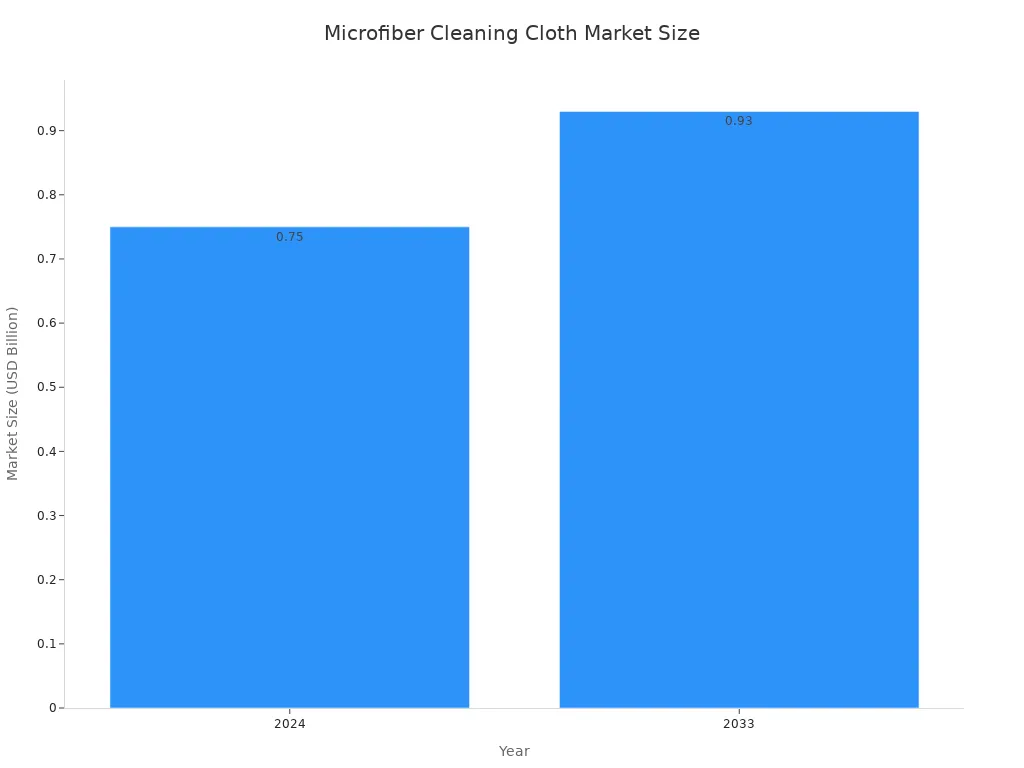
Microfiber Cleaning Cloths offer unparalleled cleaning power. Their microscopic fibers ensure powerful, gentle, and streak-free results. This advanced design makes a microfiber cleaning cloth an essential tool in modern cleaning. The market for these products continues to expand, reflecting their widespread adoption.
Microfiber rags and microfiber wiping cloth have become indispensable for effective cleaning tasks, proving that a high-quality microfiber cloth is a must-have for any cleaning arsenal.
Key Takeaways
- Microfiber Cloths clean very well. They use tiny fibers to pick up dirt and dust. This means you do not always need strong cleaning liquids.
- These cloths are soft and safe for all surfaces. They will not scratch things like glasses or screens. They leave surfaces shiny and clean.
- Microfiber cloths help you clean without leaving streaks. They also dry surfaces fast. This makes them great for windows and mirrors.
The Power Behind Microfiber Cleaning Cloths
The Science of Microfiber Cleaning Cloths
Microfiber technology relies on extremely fine synthetic fibers. A microfiber filament typically has a diameter of less than 1 micron, often ranging from 0.1 to 1 micron. This incredibly small size allows the fibers to penetrate microscopic crevices on surfaces, capturing dirt and grime effectively. These strands also possess a positive charge. This positive charge attracts and holds negatively charged particles such as dust and dirt. This electrostatic attraction enables effective cleaning without the need for harsh chemicals or extensive scrubbing.
Superior Absorption of Microfiber Cleaning Cloths
The unique structure of microfiber also contributes to its remarkable absorbency. Microfiber cleaning cloths exhibit a high liquid retention rate. They can absorb seven times their own weight in water. Some sources even indicate they can absorb up to nine times their weight. This significantly outperforms cotton in terms of absorbency and surface area coverage. Microfiber mops can hold up to 7 times their weight in liquid and dry faster than traditional cotton mops.
Chemical-Free Cleaning with Microfiber Cleaning Cloths
The design of microfiber cloths allows for highly effective cleaning, often without the need for chemical cleaners. Microfiber cloths are capable of removing 99 percent of bacteria from surfaces. Their high fiber count, over 100,000 fibers per square inch, means less cleaning product or chemicals are required. This makes them a "green cleaning companion" because they need significantly less liquid and chemicals to be effective. This reduces environmental impact and promotes healthier cleaning practices.
Gentle Care with Microfiber Cleaning Cloths
Non-Abrasive Nature of Microfiber Cleaning Cloths
Microfiber cloths offer a non-abrasive cleaning solution. Their extreme fineness prevents scratching or damaging surfaces. Microfiber is generally defined as fibers with a size of 0.3 deniers or less. This measurement indicates the fiber's weight per unit length. For context, microfiber can be as fine as 0.0001 dtex, making it significantly finer than silk. This microscopic structure allows the cloth to clean effectively without harsh friction. It ensures surfaces remain pristine after cleaning.
Safe for All Surfaces with Microfiber Cleaning Cloths
The gentle nature of microfiber makes it safe for a wide array of surfaces. These cloths are ideal for delicate items that require careful handling. They clean without leaving scratches or residue.
- Glasses
- Smartphones
- Car Screens
- Laptops
- TVs
- Watches/Jewelry
- Lenses
- Glassware
Microfiber cleaning cloths are gentle on delicate surfaces such as glass, mirrors, and screens. This versatility makes them an indispensable tool for various cleaning tasks.
Polishing and Detailing with Microfiber Cleaning Cloths
Microfiber excels in polishing and detailing applications. Its soft fibers lift away dust and smudges, leaving a brilliant shine. Professionals frequently use these cloths for automotive detailing, ensuring a streak-free finish on paintwork and chrome. They also provide superior results on household fixtures, electronics, and fine furniture. The cloth's structure captures microscopic particles, preventing them from redepositing on the surface. This results in a superior, long-lasting polish.
Streak-Free Shine from Microfiber Cleaning Cloths

Fiber Structure for Streak-Free Microfiber Cleaning Cloths
Microfiber cleaning cloths excel at delivering a streak-free shine due to their advanced fiber structure. These cloths feature ultra-fine, tightly woven synthetic fibers, significantly smaller than a human hair. This design allows them to effectively trap dust, oils, and microscopic debris. They prevent the spread of these particles across surfaces. The tight, flat weave maximizes surface contact, enhancing polishing capabilities. This efficiently removes smudges, fingerprints, and residues without leaving lint or streaks. For achieving the best streak-free finish, especially on glass, a closed-weave dimple textured microfiber fabric is optimal. This specific construction eliminates tiny specks of microfiber filament that can break off from other types of microfiber cloths, ensuring a spotless clean.
Proper Usage for Streak-Free Microfiber Cleaning Cloths
Achieving a streak-free finish also depends on proper usage. Users should fold the microfiber cloth into quarters. This creates multiple clean surfaces for wiping. Begin cleaning with a damp cloth for general cleaning, then follow with a dry section for polishing. For glass and mirrors, a light mist of water or a dedicated glass cleaner works best. Wipe in one direction, overlapping strokes slightly. Avoid excessive pressure, as the fibers do the work. Regularly refold the cloth to expose a clean section. This prevents the redistribution of dirt and ensures a pristine result.
Drying Power of Microfiber Cleaning Cloths
The exceptional drying power of microfiber cloths contributes significantly to their streak-free performance. Their high absorbency quickly wicks away moisture from surfaces. This prevents water spots and residue from forming. The unique fiber structure allows the cloth to hold a large volume of liquid without becoming saturated. This means it can dry large areas efficiently. After cleaning, a quick wipe with a dry microfiber cloth leaves surfaces perfectly dry and gleaming. This rapid drying action is crucial for achieving a flawless, streak-free shine on glass, stainless steel, and polished surfaces.
Versatility of Microfiber Cleaning Cloths
Kitchen Cleaning with Microfiber Cleaning Cloths
Microfiber cloths are indispensable for kitchen cleaning. They offer superior performance for general cleaning and wiping surfaces. These cloths are exceptionally absorbent, holding up to eight times their weight in liquid. They pick up 99% of bacteria and leave surfaces streak-free. This makes them a better choice than sponges, which often harbor bacteria. Microfiber cloths are reusable, machine washable, and can last for five to ten years. They provide a chemical-free cleaning option, requiring only water. In high-traffic kitchen areas, these cloths excel. They clean without streaks, trap food particles, and remove bacteria. This makes them an excellent all-purpose choice.
Bathroom Brilliance with Microfiber Cleaning Cloths
Microfiber cloths bring brilliance to bathrooms. They are ideal for various bathroom surfaces. For example, AspenClean offers a 'Bathroom Microfiber Cloth for Tiles', indicating their suitability for tile cleaning. Bona's Microfiber Cleaning Cloths are also specifically labeled for bathroom use. Experts confirm that special knits effectively clean different bathroom surfaces. These cloths efficiently clean spills on counters. They also remove grime from beneath bathroom sink's soap dishes.
Automotive Care with Microfiber Cleaning Cloths
Automotive enthusiasts rely on microfiber for detailing. These towels provide lint-free cleaning, ensuring a streak-free finish on delicate surfaces like glass or paint. Their soft, non-abrasive fibers prevent scratches or swirl marks on vehicle paintwork. This makes them ideal for waxing, polishing, and buffing. Microfiber towels are reusable and durable, lasting for hundreds of washes. They offer a cost-effective and long-lasting solution. They also absorb several times their weight in water, effectively drying and cleaning without leaving streaks. This makes them versatile for various detailing tasks.
Electronics and Optics with Microfiber Cleaning Cloths
Microfiber cloths are perfect for cleaning delicate electronics and optics. They safely clean mobile and handheld devices. This includes smartphones and tablets. They also effectively clean LCD screens. Their gentle nature ensures these sensitive surfaces remain free from scratches and smudges.
Caring for Your Microfiber Cleaning Cloths

Washing Instructions for Microfiber Cleaning Cloths
Proper washing extends the life and effectiveness of microfiber cloths. Users should always wash these cloths in warm or cold water. High-heat settings during washing can damage delicate fibers, causing them to shrink, curl, and crumble. Therefore, avoid hot water to prevent heat-related damage. When selecting detergent, choose mild options free of perfumes, dyes, and other additives. Specific detergents like ARM & HAMMER™ Free & Clear Liquid Laundry Detergent or similar fragrance-free, dye-free products work well. These detergents prevent residues from settling into the fibers, which could reduce effectiveness.
Drying Tips for Microfiber Cleaning Cloths
Drying microfiber cloths correctly is crucial for maintaining their integrity. High temperatures can damage the synthetic fibers, leading to shrinking, melting, or warping. This damage permanently reduces the towel's ability to trap dust, dirt, and moisture. To ensure longevity, avoid exposing them to high heat during drying. Instead, opt for low-heat or air-drying settings whenever possible. Air drying by laying towels flat or hanging them naturally prevents heat damage and preserves fiber integrity. If using a dryer, remove towels promptly once the cycle completes to minimize wrinkles and fiber stress. Fabric softeners and dryer sheets are not recommended, as their waxes and chemicals coat fibers, causing them to repel water.
When to Replace Microfiber Cleaning Cloths
Even with proper care, microfiber cloths eventually need replacement. Several signs indicate a cloth has reached the end of its useful life. A significant sign is reduced absorbency; the cloth no longer effectively soaks up liquids. Loss of softness also indicates fiber breakdown, making the cloth feel rough or stiff. Visible fraying along edges or corners suggests the cloth has exceeded its lifespan. A persistent odor after washing means the cloth harbors bacteria or mildew. Extensive discoloration or staining also shows deeply embedded dirt. While high-quality cloths can endure between 150 and 500 washes, their overall age, typically a year or more, can also signal diminishing performance.
Microfiber cleaning cloths offer unparalleled benefits. They deliver efficient, gentle, and streak-free performance across diverse cleaning tasks. Their advanced design ensures superior results without harsh chemicals. Adopting these cloths provides a more effective and environmentally friendly cleaning experience for everyone.
FAQ
How do microfiber cloths clean so effectively?
Microscopic fibers attract and trap dirt, dust, and grime. Their unique structure allows for powerful cleaning without harsh chemicals. This electrostatic attraction lifts particles from surfaces.
Can one use microfiber cloths with cleaning solutions?
Yes, one can use them with cleaning solutions. However, microfiber often cleans effectively with just water. This reduces chemical reliance and promotes eco-friendly practices.
How often should one wash microfiber cloths?
Wash microfiber cloths after each significant use. Regular washing maintains their effectiveness. It also prevents bacterial buildup and ensures optimal performance.
