

 Send Email
 whatsapp


Microfiber Wipes vs. Traditional Cloths: The Clear Winner

Have you ever wondered why healthcare facilities are switching to Microfiber Wipes? Microfiber Nonwoven Wipes offer unmatched cleaning power, making them a game-changer. They remove 99.9% of pathogens when paired with detergent. Compare that to traditional cloths, which only clear 67% of bacteria. The difference isn't just noticeable—it’s transformational.
Key Takeaways
- Microfiber wipes clean 99.9% of germs, while regular cloths clean 67%. This makes them very important for keeping hospitals clean.
- Microfiber wipes lower the chance of spreading germs. Their special fibers hold dirt and germs, stopping them from moving to other places.
- Microfiber wipes last a long time and can be reused. They need fewer replacements and create less trash, which helps the environment.
What Makes Microfiber Nonwoven Wipes Different?
Unique Fiber Structure
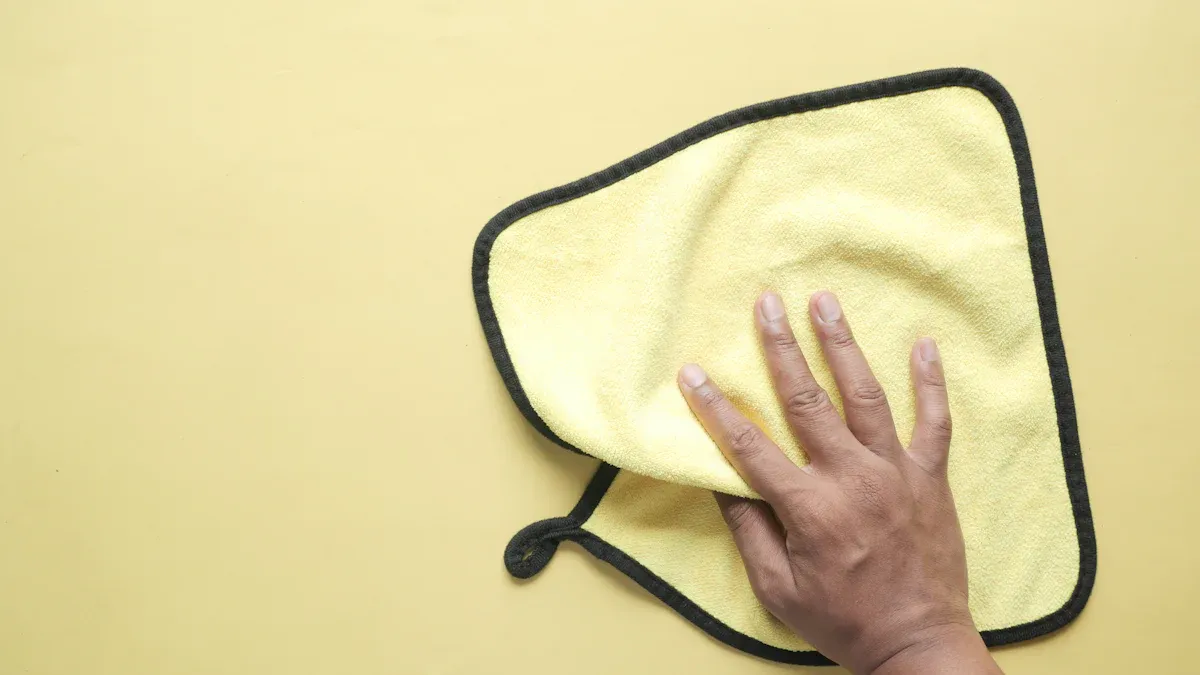
Have you ever wondered why microfiber wipes clean so effectively? It all comes down to their unique fiber structure. Unlike traditional cloths, which rely on larger fibers, microfiber is made up of ultra-fine filaments. These filaments are so small that they can trap even the tiniest particles of dirt, organic matter, and microbes. This structure doesn’t just clean surfaces—it captures and holds onto contaminants, preventing them from spreading.
A scientific analysis by Contec's Healthcare team highlights this advantage. The fine filaments in microfiber wipes make them incredibly effective at trapping residues. However, the delicate nature of these fibers means they perform best when handled with care. That’s why many healthcare facilities prefer single-use microfiber wipes to maintain their cleaning power.
At E-sun, we’ve taken this technology to the next level. Our Microfiber Nonwoven Wipes are designed to deliver superior cleaning performance while being durable and easy to use. Whether you’re cleaning a patient room or a high-touch surface, these wipes ensure you get the job done right.
Superior Dirt and Pathogen Trapping
When it comes to removing dirt and pathogens, microfiber wipes are in a league of their own. Traditional cloths often push dirt around, leaving behind residues. Microfiber wipes, on the other hand, trap and lock in dirt, bacteria, and even viruses. This makes them a powerful tool for maintaining hygiene in healthcare settings.
Let’s take a closer look at how microfiber wipes compare to traditional cloths:
| Feature | Microfiber Cloth | Traditional Cloth |
|---|---|---|
| Water Absorption | High | Moderate |
| Dirt Removal | Superior | Average |
| Durability | Long-lasting | Less durable |
| Cost-Effectiveness | More efficient | Less efficient |
As you can see, microfiber wipes outperform traditional cloths in every category. They don’t just clean better—they last longer and save you money in the long run. Plus, many healthcare facilities use a color-coded system for microfiber wipes. This simple practice reduces cross-contamination and ensures each wipe is used for the right purpose.
Compatibility with Various Cleaning Solutions
One of the best things about microfiber wipes is their versatility. You can use them with a wide range of cleaning solutions, from disinfectants to plain water. Their unique fiber structure enhances the effectiveness of these solutions, ensuring a deeper clean.
For example, when paired with a detergent, microfiber wipes can remove up to 99.9% of pathogens. That’s a huge improvement over traditional cloths, which only remove about 67%. This compatibility makes microfiber wipes an essential tool for healthcare professionals who need reliable cleaning results.
At E-sun, we understand the importance of flexibility in cleaning. That’s why our Microfiber Nonwoven Wipes are designed to work seamlessly with various cleaning agents. Whether you’re tackling tough stains or sanitizing a surface, these wipes deliver consistent, high-quality results.
The Hygiene Advantage in Healthcare
Reducing Cross-Contamination
Cross-contamination is one of the biggest challenges in healthcare cleaning. When you use traditional cloths, dirt and pathogens can spread from one surface to another. Microfiber wipes, especially single-use options, help solve this problem. Their advanced fiber structure traps contaminants instead of pushing them around.
Clinical studies back this up. For example, Cardiff University found that antimicrobial wipes could spread pathogens after their first use. Researchers recommend a "one wipe, one application per surface" approach to minimize risks. Surveillance programs also revealed that reusing wipes on multiple surfaces increases cross-contamination.
| Evidence Description | Findings |
|---|---|
| Study by Cardiff University | Antimicrobial wipes can spread pathogens after first use, emphasizing the need for single-use wipes. |
| Recommendations from researchers | A 'one wipe, one application per surface' approach is crucial for infection control. |
| Surveillance program findings | Wipes were often reused on multiple surfaces, increasing the risk of cross-contamination. |
At E-sun, we understand the importance of reducing cross-contamination. That’s why our Microfiber Nonwoven Wipes are designed for single-use applications, ensuring every surface gets a fresh, hygienic clean.
Effective Pathogen Removal
Pathogen removal is critical in healthcare environments. Microfiber wipes excel at this task, outperforming traditional cloths. Their sharp fiber ends and fine strands create a larger surface area, allowing them to trap microscopic particles and pathogens effectively.
Microfiber wipes can remove up to 99.7% of tested pathogens, even with just water. This makes them a powerful tool for infection control. Unlike traditional materials, microfiber reaches into tiny crevices that other cloths can’t access. Hospitals and clinics rely on this capability to maintain high hygiene standards.
Here’s why microfiber wipes are so effective:
- They remove a higher percentage of pathogens compared to natural fibers like cotton.
- Their mechanical cleaning capabilities are superior to traditional materials.
- They work well with or without cleaning solutions, offering flexibility in healthcare settings.
When you choose E-sun’s Microfiber Nonwoven Wipes, you’re investing in reliable pathogen removal. Our wipes are engineered to meet the rigorous demands of healthcare cleaning, ensuring safer environments for patients and staff.
Meeting Healthcare Cleanliness Standards
Healthcare facilities must meet strict cleanliness benchmarks to ensure patient safety. Microfiber wipes help achieve these standards by delivering consistent, high-quality cleaning results. A survey by Contec Professional revealed that 72% of infection control practitioners don’t trust their hospital’s laundering system for mops and wipes. Shockingly, 42% reported finding trash or debris in freshly laundered textiles.
This skepticism highlights the need for reliable cleaning tools like microfiber wipes. Their synthetic blend and advanced fiber structure make them more effective than traditional cloths. Microfiber wipes also comply with regulatory standards, such as those set by the Healthcare Laundry Accreditation Council (HLAC) and the TRSA Hygienically Clean Healthcare program.
| Certification/Standard | Description |
|---|---|
| Healthcare Laundry Accreditation Council (HLAC) | Accredits laundries processing healthcare textiles, ensuring compliance with rigorous standards covering all aspects of laundry operations. |
| TRSA Hygienically Clean Healthcare program | Focuses on outcome-based standards with random microbiological testing to ensure hygiene standards are met. |
By adopting microfiber wipes, healthcare facilities can enhance their infection control strategies and meet cleanliness requirements with confidence. At E-sun, we’re proud to offer products that align with these standards, helping you maintain a safer and cleaner environment.
Cost and Efficiency Benefits of Microfiber Nonwoven Wipes
Long-Term Cost Savings
Switching to microfiber wipes can save you money over time. Unlike traditional cloths, which wear out quickly, microfiber wipes are designed to last. They’re reusable and maintain their cleaning power even after multiple uses. This durability means fewer replacements, which translates to lower costs.
Here’s a quick comparison to show how microfiber wipes stack up:
| Aspect | Microfiber Wipes | Traditional Alternatives |
|---|---|---|
| Durability | High (reusable) | Low (disposable) |
| Cleaning Efficiency | Superior (removes smaller particles) | Moderate (less effective) |
| Long-term Cost | Lower (cost-effective over time) | Higher (recurring costs) |
Microfiber wipes also reduce waste, making them an eco-friendly and budget-friendly choice. By capturing particles as small as 0.15 microns, they clean more effectively, cutting down on the need for additional cleaning supplies.
Durability and Reusability
Microfiber wipes are built to last. They can endure over 200 laundering cycles without losing their effectiveness. Tests like the Helmke Drum Test confirm their ability to maintain performance, even in demanding environments like healthcare.
Here’s what makes them stand out:
- They release fewer particles, reducing contamination risks.
- They resist damage from most cleaning chemicals, ensuring long-term use.
- Their absorption rate and cleaning performance remain consistent over time.
Studies also show that microfiber wipes outperform cotton alternatives in bacterial removal, even after repeated washing. This reliability makes them a smart investment for any facility.
Reduced Need for Cleaning Chemicals
Microfiber wipes don’t just clean better—they also use fewer chemicals. Their advanced fibers trap dirt and pathogens more effectively, reducing the need for harsh cleaning agents. For example, hospitals using microfiber wipes report a significant drop in chemical costs, from $1.32 per day with cotton cloths to just $0.055 per day.
| Metric | Cotton Cloths | Microfiber Wipes |
|---|---|---|
| Chemical Costs | $1.32/day | $0.055/day |
| Overall Cleanliness | 67.75% Microbe Removal | 99.9% Microbe Removal |
By cutting down on chemicals, you not only save money but also create a safer environment for patients and staff. Microfiber Nonwoven Wipes offer a win-win solution—better cleaning at a lower cost.
Environmental Considerations
Reusability and Reduced Waste
When you think about cleaning tools, waste might not be the first thing that comes to mind. But it’s a big deal, especially in healthcare. Traditional cloths and paper towels often end up in landfills after just one use. Microfiber wipes, on the other hand, are reusable and designed to last. You can wash and reuse them multiple times without losing their cleaning power. This means fewer items tossed in the trash and less strain on the environment.
Studies comparing disposable and reusable microfiber mop pads highlight this benefit. While relaundered microfiber pads have a slightly higher environmental impact in areas like water usage, their reusability significantly reduces solid waste. In German healthcare facilities, microfiber products are already the standard because they balance sustainability with performance and cost.
Lower Environmental Impact Compared to Traditional Cloths
Microfiber wipes don’t just clean better—they’re also kinder to the planet. A Life Cycle Assessment (LCA) comparing disposable disinfecting wipes and reusable cloths found that microfiber wipes had a more favorable environmental profile in categories like carbon footprint, water pollution, and air pollution.
Here’s a quick comparison to show how microfiber wipes stack up:
| Comparison Type | Microfiber Wipes | Traditional Cloths |
|---|---|---|
| Cleaning Efficiency | Superior at picking up dust and dirt | Less effective at picking up dirt |
| Absorbency | Highly absorbent, great for spills | Absorbent but less effective for deep cleaning |
| Reusability | Washable and reusable, environmentally friendly | Typically single-use (e.g., paper towels) |
| Hygiene | Quick-drying, less likely to harbor bacteria | Can harbor bacteria if not dried properly |
| Environmental Impact | More sustainable due to reusability | Less sustainable, especially paper towels |
By choosing microfiber wipes, you’re not just cleaning better—you’re also making a choice that’s better for the planet.
Supporting Sustainable Cleaning Practices
Switching to microfiber wipes is a simple yet impactful way to support sustainable cleaning practices. Their advanced design reduces the need for harsh chemicals, which means fewer pollutants entering our waterways. Plus, their durability means you’ll use fewer resources over time.
At E-sun, we’re committed to sustainability. Our Microfiber Nonwoven Wipe is not only effective but also eco-friendly. We’re even developing biodegradable options to take sustainability to the next level. By choosing products like these, you’re contributing to a cleaner, greener future.
Microfiber Nonwoven Wipe is the ultimate cleaning solution for healthcare. It’s effective, hygienic, and cost-efficient. At E-sun, we’re proud to offer innovative products, including biodegradable options. Switching to microfiber wipes isn’t just smart—it’s essential for safer, cleaner spaces. Ready to upgrade your cleaning game? Let E-sun help you today!
FAQ
What makes microfiber wipes better than traditional cloths?
Microfiber wipes trap dirt and pathogens more effectively. Their fine fibers clean deeper, last longer, and reduce cross-contamination risks, making them ideal for healthcare settings.
Can microfiber wipes be reused?
Yes! Many microfiber wipes are reusable and maintain their cleaning power after multiple washes. At E-sun, we also offer durable, eco-friendly options for long-term use.
Are microfiber wipes environmentally friendly?
Absolutely! Microfiber wipes reduce waste by being reusable. E-sun even offers biodegradable options, helping you clean while supporting sustainable practices. 🌱
Tip: Reuse microfiber wipes responsibly by following proper washing guidelines to maximize their lifespan and effectiveness.