

 Send Email
 whatsapp


Reduce Waste with Durable, Reusable Microfilament Nonwoven Wipes
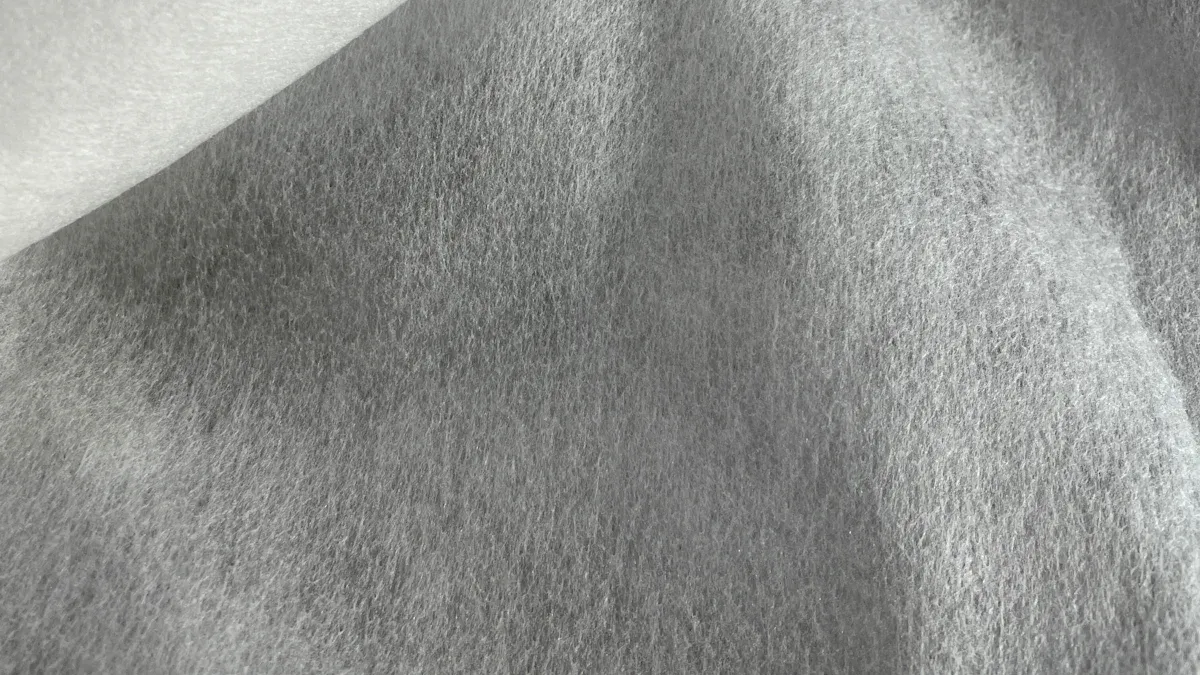
Advanced cleaning technology achieves significant waste reduction. Businesses experience superior cleaning performance and realize operational savings. Durable Microfilament Nonwoven Wipes transform cleaning practices for a sustainable future. A specialized Microfilament Cleaning Cloth offers exceptional results. Consider Microfiber Nonwoven Fabric Wipes for enhanced operational efficiency.
Key Takeaways
- Reusable Microfilament Nonwoven Wipes save businesses money. They cost less over time than disposable wipes. They also reduce storage needs.
- These wipes help the environment. They create less waste. They also use less water and energy than disposable wipes.
- Microfilament Nonwoven Wipes clean very well. They last a long time. They can also clean surfaces without harsh chemicals.
Economic Advantages of Reusable Microfilament Nonwoven Wipes
Businesses constantly seek ways to optimize operations and reduce expenditures. Reusable Microfilament Nonwoven Wipes offer significant financial benefits. They provide a smart investment for any organization aiming to improve its bottom line.
Long-Term Cost Savings Over Disposable Options
Initially, disposable wipes may seem like a cost-effective choice. However, their recurring purchase costs accumulate rapidly. Reusable Microfilament Nonwoven Wipes, despite a higher upfront investment, deliver substantial long-term savings. Organizations purchase fewer wipes over time. This reduces the frequency of procurement and the overall budget allocated to cleaning supplies. The durability of these wipes means they withstand numerous wash cycles, extending their lifespan and maximizing their value.
Reduced Inventory and Storage Needs
Managing inventory consumes valuable resources. Disposable wipes require frequent reordering and significant storage space to maintain adequate stock levels. This leads to increased logistical complexities and potential for waste if products expire or become obsolete. Reusable wipes drastically reduce these demands. Businesses need to store fewer items. This frees up valuable storage space and simplifies inventory management processes. A smaller inventory also minimizes the risk of stockouts or overstocking, leading to more efficient resource allocation.
Enhanced Labor Efficiency and Productivity
Labor costs represent a significant portion of operational expenses. Cleaning tasks require efficient tools to maximize staff productivity. Disposable wipes offer convenience. Users clean and dispose of dirt and the wipe together. This eliminates the need to clean the wipe or manage separate dirt disposal. They often come pre-moistened, which reduces the need to transport additional cleaning solutions.
However, reusable wipes require reapplication of cleaning solutions. They also necessitate cleaning between uses. This consumes more cleaning agents, water, and energy. While disposable options reduce laundering time, they introduce new labor demands. These demands relate to constant inventory monitoring and proper disposal procedures. These hidden labor costs can significantly accumulate over time. They impact overall productivity. Reusable wipes, while requiring laundering, offer superior cleaning power. This often means fewer passes are necessary to achieve desired cleanliness. This efficiency can offset the laundering time. It ultimately enhances overall labor productivity by delivering better results faster.
Environmental Impact of Durable Microfilament Nonwoven Wipes

Organizations increasingly prioritize environmental stewardship. Durable Microfilament Nonwoven Wipes offer a compelling solution for reducing ecological footprints. They provide a clear path toward more sustainable cleaning operations.
Quantifiable Waste Reduction and Landfill Diversion
Disposable cleaning wipes contribute significantly to landfill waste. Businesses use and discard these products daily. Reusable Microfilament Nonwoven Wipes drastically reduce this waste volume. They divert substantial amounts of material from landfills. This shift has a measurable positive impact on waste management systems.
Consider the environmental impact comparison between disposable and reusable wipes. Data clearly illustrates the benefits of reusable options:
| Category | Disposable Wipes | Reusable Wipes |
|---|---|---|
| Greenhouse Gas Emissions (kg CO2) | 33.3 to 61.6 | 11.9 |
| Water Consumption (liters) | 188,500 | 4,538 |
| Energy Consumption (kWh) | 87 | 31 |
| Textile Needed (kg) | 25.5 | 0.5 (for 50 applications) |
This comparison highlights the significant environmental savings. Reusable wipes consistently outperform disposables across key metrics.
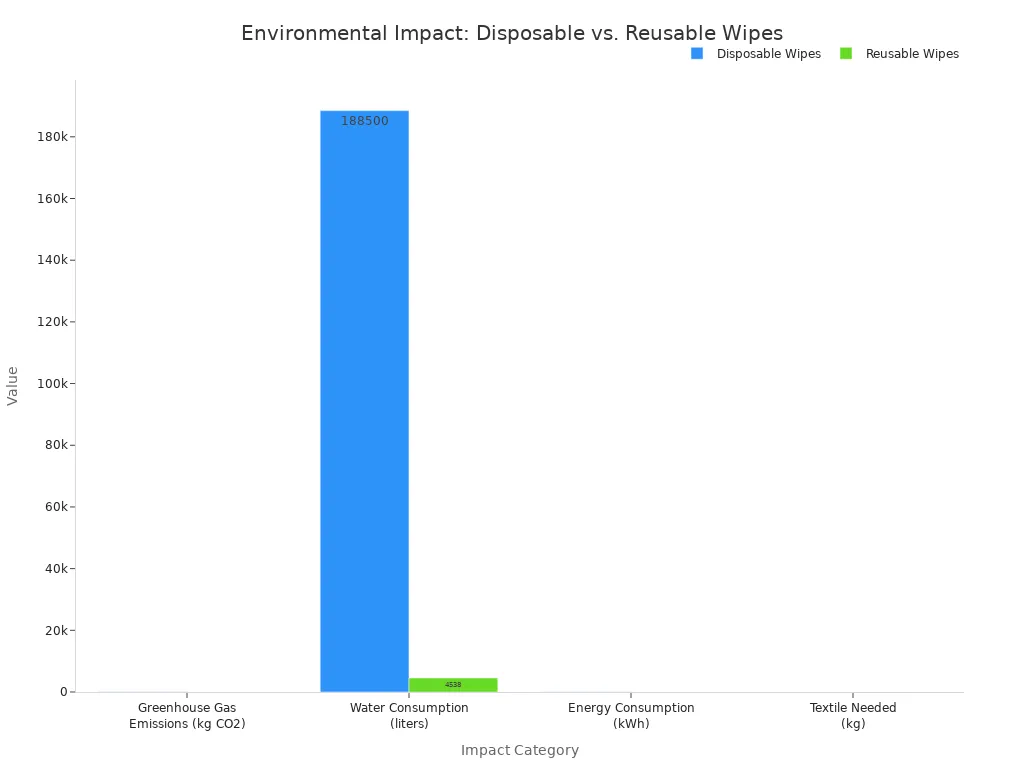
The chart visually reinforces these differences. It demonstrates the substantial reduction in environmental burden when choosing reusable options.
Lower Resource Consumption and Carbon Footprint
Manufacturing disposable wipes demands considerable resources. This includes raw materials, water, and energy. Their production and disposal generate a larger carbon footprint. Reusable Microfilament Nonwoven Wipes, conversely, require fewer resources over their lifecycle. Their extended usability means fewer items need manufacturing. This reduces the overall demand for virgin materials. It also lowers the energy consumption associated with production. The reduced need for transportation and disposal further decreases greenhouse gas emissions. Businesses effectively shrink their carbon footprint by adopting these durable cleaning tools.
Sustainable Material Composition and Recyclability
Manufacturers design durable Microfilament Nonwoven Wipes for longevity. They often use synthetic fibers like polyester and polyamide. These materials offer exceptional strength and cleaning properties. Many of these wipes are also recyclable at the end of their useful life. This supports a circular economy model. Organizations can send worn-out wipes to specialized recycling facilities. This process transforms them into new products. It prevents them from entering landfills. This commitment to sustainable material composition and end-of-life solutions makes these wipes an environmentally responsible choice.
Superior Performance and Durability of Microfilament Nonwoven Wipes
Businesses demand cleaning tools that perform reliably and last long. Microfilament Nonwoven Wipes deliver exceptional results. They combine advanced cleaning power with robust construction.
Unmatched Cleaning Efficacy and Surface Compatibility
These wipes offer superior cleaning capabilities. Their unique structure effectively captures and removes contaminants. Studies show their design leads to high particle capture rates.
| Type of Geotextile | Average Sediment Retention Rate |
|---|---|
| Nonwoven | 97% |
| Woven | 91% |
Microfilament nonwoven cloths consistently demonstrate superior contamination removal. They outperform traditional nonwoven materials and polyester. These wipes meet stringent IEST Category I particle cleanliness standards. They emit less than 1200 particles 0.5µm and greater per minute. Their unique structure allows them to penetrate 0.1mm gaps. This removes particles from tight spaces.
Exceptional Longevity and Wash Cycle Resilience
Durability is a hallmark of these advanced wipes. Manufacturers design them to withstand numerous wash cycles. This resilience ensures they maintain their cleaning effectiveness over time. Businesses benefit from their extended lifespan. This reduces the need for frequent replacements. Their robust construction makes them a reliable choice for demanding cleaning environments.
Chemical-Free Cleaning and Safer Compositions
Microfilament nonwoven wipes often clean effectively with just water. This reduces reliance on harsh chemicals. Businesses create safer environments for employees and customers. They also minimize exposure to potentially harmful substances. The wipes' composition typically includes synthetic fibers. These materials are inert and do not leave residues. This makes them suitable for sensitive surfaces and critical cleaning tasks.
Businesses embrace the dual benefits of sustainability and high performance. They drive operational efficiency and environmental responsibility with advanced cleaning tools. Microfilament Nonwoven Wipes offer a smarter, greener cleaning solution. Organizations should make the switch for superior results and a positive impact.
FAQ
What makes microfilament nonwoven wipes so durable?
Manufacturers design these wipes for longevity. They use strong synthetic fibers. This construction allows them to withstand many wash cycles. They maintain cleaning effectiveness.
How do reusable microfilament wipes reduce costs for businesses?
Businesses save money long-term. They buy fewer wipes. This reduces inventory needs. It also improves labor efficiency. This leads to significant operational savings.
Are microfilament nonwoven wipes truly better for the environment?
Yes, they significantly reduce waste. They divert materials from landfills. They also lower resource consumption. This includes water and energy. Their recyclability further helps the planet. 🌍
