

 Send Email
 whatsapp


Introduction
Choosing between a reusable Swedish dish cloth and conventional paper towels is not just about convenience; it affects waste, resource use, cleaning performance, and long-term cost. Swedish Dish Cloths, typically made from cellulose and cotton, are designed to absorb spills, wipe surfaces, and survive repeated washing, while paper towels offer single-use simplicity at the expense of ongoing disposal. This comparison looks beyond the obvious “reusable versus disposable” distinction to examine materials, durability, hygiene, compostability, and everyday practicality. By the end, you’ll have a clearer sense of when a Swedish dish cloth is the greener choice, where paper towels may still make sense, and how to choose cleaning habits that reduce impact without sacrificing function.
Swedish Dish Cloths vs. Paper Towels: Key Differences
The shift toward sustainable household cleaning practices has brought traditional disposable paper goods under intense scrutiny. As consumers evaluate their environmental footprints, the comparison between single-use paper towels and reusable alternatives has become a central focus. Understanding the fundamental differences in material composition, everyday utility, and lifecycle is essential for making informed purchasing decisions and reducing household waste.
What Is a Swedish Dish Cloth?
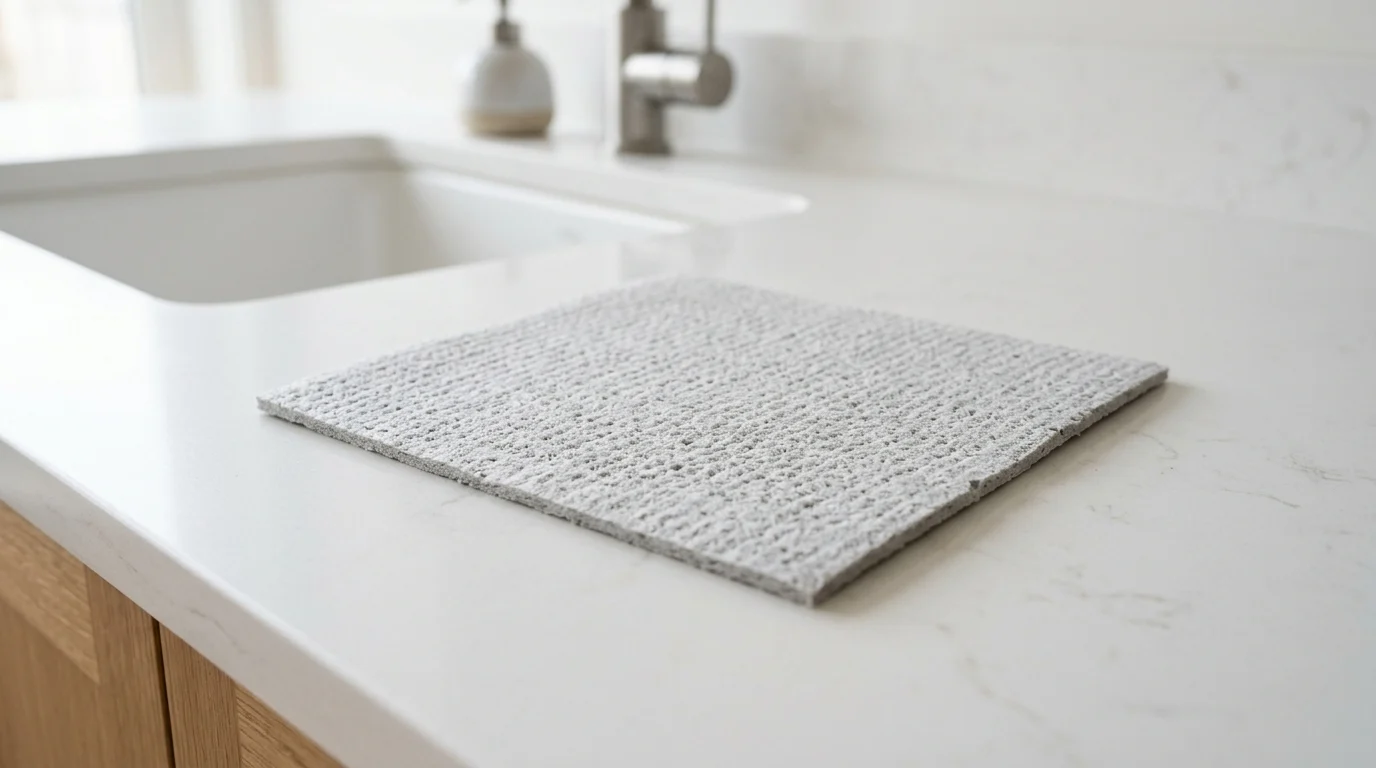
Invented in 1949 by a Swedish engineer, the traditional Swedish dish cloth—now widely available through commercial suppliers—is engineered from natural materials rather than synthetic plastics. The standard composition relies on a structural blend of wood pulp cellulose(typically 70%) and unbleached cotton fibers (roughly 30%). While plant-based, the true eco-friendliness of these materials depends on responsible sourcing, such as utilizing FSC-certified wood pulp and accounting for the high water intensity of cotton farming. This structural blend creates a highly effective capillary structure capable of absorbing 15 to 20 times its own dry weight in liquid (approximately 0.75 cups of water per standard 6.7" x 7.9" cloth). Unlike synthetic Microfiber Cloths, which release microplastics into municipal water systems during laundering, the cellulose-cotton matrix is renewable and designed to withstand repeated mechanical stress without shedding harmful pollutants.
Which Cleaning Tasks Should You Compare?
To accurately evaluate these cleaning tools, it is necessary to categorize the specific tasks they perform. In everyday home environments, wiping down countertops, absorbing liquid spills, and cleaning glass without leaving streaks account for the vast majority of daily surface maintenance. Paper towels are frequently deployed for these low-risk, repetitive tasks, contributing heavily to the estimated 80 to 120 rolls of paper towels an average North American household consumes annually. However, single-use paper products remain necessary for specific high-risk tasks. Cleaning up heavy automotive greases or harsh chemical solvents requires disposability, as the potential damage to reusable fibers outweighs the environmental benefits of washing.
Environmental Impact and Performance

Evaluating the true environmental footprint of cleaning supplies requires analyzing both their immediate physical performance and their broader lifecycle impacts. The metrics for an accurate comparison include raw absorption capacity, longevity under daily use, and the environmental impact associated with manufacturing, transport, and end-of-life disposal.
Absorbency, Durability, and Cost
From a performance standpoint, a single reusable sponge cloth can replace approximately 15 to 17 rolls of conventional two-ply paper towels over its functional lifespan. These structurally reinforced cloths withstand 50 to 200 wash cycles in standard washing machines (tolerating temperatures up to 190°F or 90°C) or dishwashers before any significant degradation occurs. This extended durability alters the cost-benefit analysis, offering practical savings of $50 to $150+ annually for everyday household budgets.
| Performance Metric | Reusable Cellulose Cloth | Conventional Paper Towels |
|---|---|---|
| Primary Material | ~70% Cellulose, ~30% Cotton | 100% Virgin or Recycled Wood Pulp |
| Absorbency Capacity | 15x - 20x dry weight | 2x - 3x dry weight |
| Functional Lifespan | 6 to 9 months (50-200 washes) | Single-use (seconds to minutes) |
| Replacement Ratio | 1 cloth | ~15 to 17 rolls |
| End-of-Life Disposal | Compostable (6-16 weeks) | Landfill (years to decompose) |
Sourcing, Packaging, Transport, and Disposal
The supply chain and disposal phases reveal stark contrasts between the two products. Manufacturing paper towels requires substantial water consumption (often exceeding 15,000 gallons per ton of virgin paper), and the final paper products are typically packaged in bulky, non-recyclable plastic film. Because paper towels hold significant air volume, their transportation requires more shipping space, which can notably increase their transportation carbon footprint compared to denser freight. Conversely, reusable cellulose alternatives are manufactured densely and shipped dry and flat, requiring minimal packaging volume and helping to reduce shipping emissions per unit. However, consumers should note that long-distance international freight for imported Swedish cloths can offset some of these shipping density benefits when compared to domestically produced paper towels. At the end of their lifecycle, 100% natural cellulose cloths can be placed directly into municipal or home compost systems. Under standard composting conditions, microbial action breaks them down completely within 6 to 8 weeks in commercial facilities or 12 to 16 weeks in home setups, leaving zero landfill residue.
When Reusable Dish Cloths Are the Greener Choice
Transitioning away from single-use disposables requires smart habits rather than an outright ban on paper products. By optimizing how and when different materials are utilized, households can achieve significant sustainability milestones without compromising hygiene or convenience.
Practical Ways to Reduce Household and Business Waste
Implementing a hybrid cleaning model is the most effective strategy for waste reduction in residential homes. You can reserve paper towels strictly for cleanups involving dangerous pathogens (like raw meat juices) to prevent cross-contamination. By shifting the majority of routine wiping, dusting, and spill management to an eco-friendly alternative, households drastically reduce their solid waste output. Financially, this material transition typically yields noticeable annual savings of 60% to 80% on disposable paper budgets per standard household or commercial facility, depending on prior paper towel usage.
How to Choose Between Reusable and Recycled Options
When shopping for sustainable cleaning tools, buyers must carefully review material specifications to avoid greenwashed products. Some modern sponge cloths incorporate hidden synthetic binders or polyester meshes to artificially extend durability, which entirely negates their compostability. For commercial buyers, custom-printed authentic cloths typically require Minimum Order Quantities (MOQs) ranging from 300 to 1,000 units. To ensure maximum environmental benefit, verify that the cellulose cloth is certified 100% plant-based, free from petroleum derivatives, and utilizes water-based or OEKO-TEX® certified inks.
If you still need disposable options for messy tasks, recycled paper towels are a step up from virgin wood pulp.
Key Takeaways
- The most important conclusions and rationale for Swedish dish cloth
- Specs, compliance, and risk checks worth validating before you commit
- Practical next steps and caveats readers can apply immediately
Frequently Asked Questions
Are Swedish dish cloths greener than paper towels?
Yes for most daily cleaning. One cellulose-cotton Swedish dish cloth can replace about 15 to 17 rolls of paper towels, reducing waste, packaging, and repeat purchases.
What is a Swedish dish cloth made from?
Most are made from about 70% wood pulp cellulose and 30% cotton. For the greener choice, look for responsibly sourced cellulose, such as FSC-certified wood pulp.
How long does a Swedish dish cloth last?
With normal home use, it typically lasts 6 to 9 months and can handle about 50 to 200 washes before it starts to break down.
How should I wash a Swedish dish cloth?
Rinse after use, air-dry between tasks, and wash it in the dishwasher or washing machine. Many cloths tolerate hot washing up to about 190°F or 90°C.
When should I still use paper towels?
Use paper towels for heavy grease, harsh chemicals, pet waste, or anything unsafe to wash out. For counters, spills, sinks, and glass, use a Swedish dish cloth.