

 Send Email
 whatsapp


Top Tips for Using Cellulose Sponge Cloths Effectively
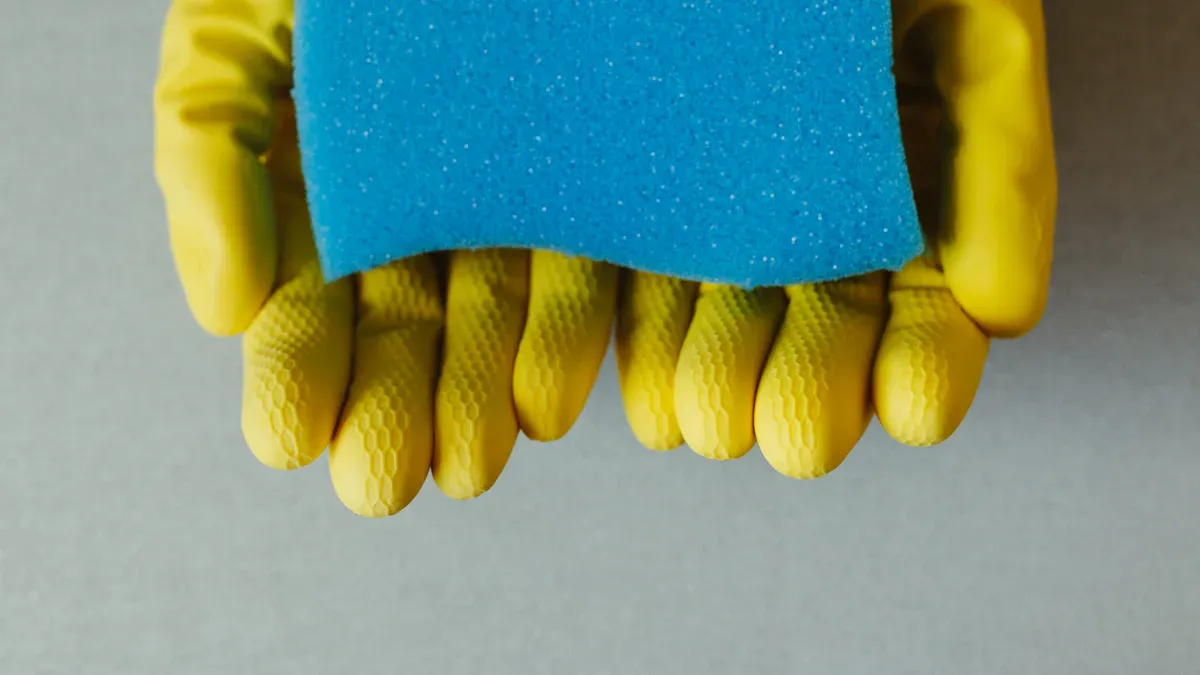
When it comes to eco-friendly cleaning, Cellulose Sponge Cloths are game-changers. They combine efficiency with sustainability, making them an essential cleaning tool. Did you know onecellulose sponge cloth can replace 17 rolls of paper towels? Plus, a study revealed they last 20% longer than foam alternatives. With their versatility, they’re perfect for any household task.
Key Takeaways
- Cellulose sponge cloths are good for the environment. They can replace up to 17 paper towel rolls, making them a greener cleaning option.
- Fold the cloth into layers to soak up spills faster. This helps clean messes quickly and easily.
- Clean your sponge cloths often to kill germs. You can soak them in bleach or microwave them to make them last longer.
Understanding Cellulose Sponge Cloths
What Are Cellulose Sponge Cloths?
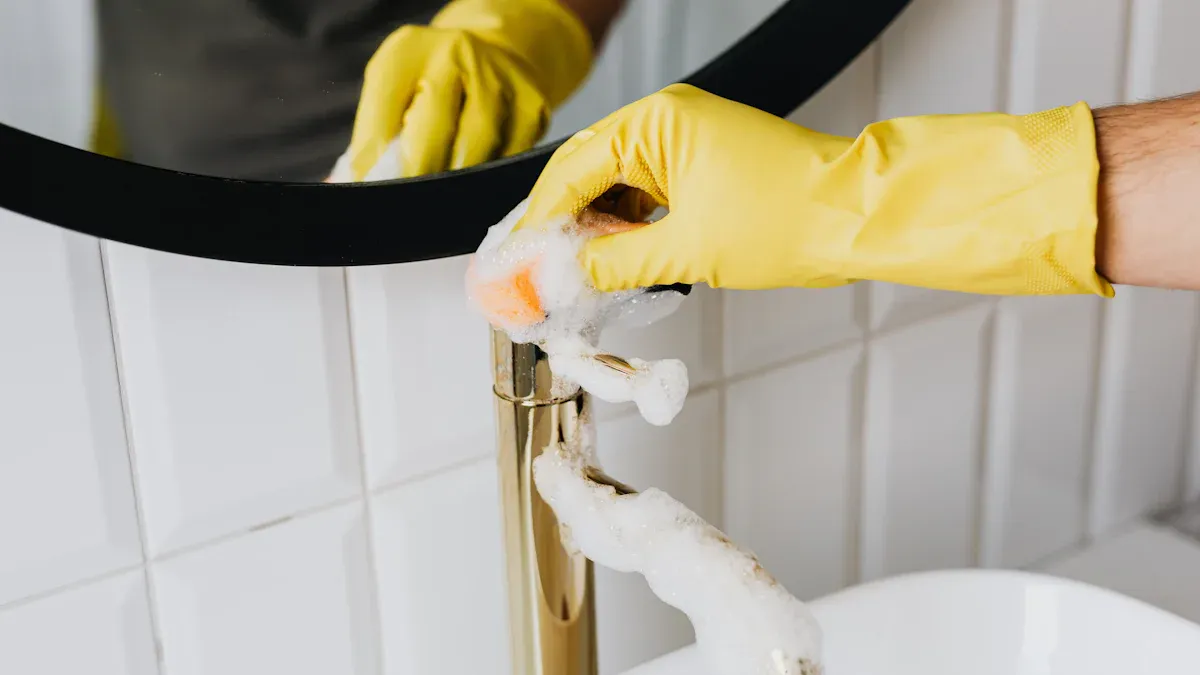
Cellulose sponge cloths are versatile cleaning tools made from natural materials like wood pulp and unbleached cotton. These cloths combine the absorbency of a sponge with the flexibility of a cloth, making them perfect for tackling various cleaning tasks. Whether it’s wiping down counters, scrubbing dishes, or soaking up spills, they get the job done efficiently.
What sets them apart is their eco-friendly nature. Unlike synthetic sponges, cellulose sponge cloths decompose quickly in landfills, leaving no harmful residues behind. This makes them a smart choice for anyone looking to reduce their environmental footprint while keeping their home spotless.
Key Features and Benefits
Cellulose sponge cloths come with a range of features that make them stand out. Here’s a quick overview:
| Feature | Benefit |
|---|---|
| Super Absorbent | Picks up spills and splashes effortlessly. |
| Reusable | Can be washed and reused multiple times, reducing waste. |
| Multipurpose | Safe for various surfaces like marble, wood, and stainless steel. |
| Biodegradable | Breaks down naturally, unlike synthetic sponges. |
These cloths are also highly durable. They’ve been highlighted in “top cleaning essentials” lists by six major homecare magazines, proving their popularity among users. In North America, Cellulose Sponges hold over 33.5% of the household cleaner sponge market, showcasing their widespread appeal.
Why They Are Eco-Friendly
Cellulose sponge cloths are a win for the planet. Made from 100% natural materials, they decompose rapidly in landfills, unlike synthetic options that can take years to break down. Studies show that these cloths have lower soil toxicity, ensuring they don’t harm the environment after disposal.
Additionally, 16 brands of cellulose sponges have been certified to break down faster in landfills than synthetic alternatives. This makes them a sustainable choice for eco-conscious households. By switching to cellulose sponge cloths, you’re not just cleaning your home—you’re also contributing to a cleaner planet. 🌍
Tips for Using Cellulose Sponge Cloths Effectively
Cleaning Techniques for Different Surfaces
Cellulose sponge cloths work wonders on a variety of surfaces, but using the right technique can make all the difference. For stainless steel, a damp sponge cloth paired with a gentle cleaner removes smudges and fingerprints effectively. On wood surfaces, a slightly damp cloth ensures no water damage while picking up dust and grime. For delicate surfaces like glass or mirrors, wring out the cloth until it’s just damp to avoid streaks.
Studies have shown that cellulose sponge cloths achieve a 95% reduction in ATP-B RLU, which indicates a high level of cleanliness. They also reduce bacteria by 98%, making them a reliable choice for hygienic cleaning. On stainless steel, they achieve a log CFU reduction of 2.53 to 2.62, while Formica laminate surfaces see reductions of 3.16 to 3.44. These results highlight their versatility and effectiveness across different materials.
Maximizing Absorbency for Spills
When it comes to spills, cellulose sponge cloths are your best friend. Their super absorbent nature allows them to soak up liquids quickly, leaving surfaces dry and spotless. To maximize absorbency, fold the cloth into layers before pressing it onto the spill. This technique increases the surface area in contact with the liquid, speeding up the cleanup process.
For larger spills, use the full size of the cloth to cover more ground. Once the liquid is absorbed, rinse the cloth under running water, wring it out, and repeat if necessary. Unlike paper towels, these cloths can handle multiple rounds of cleaning without falling apart. Plus, they’re reusable, making them an eco-friendly alternative for everyday messes.
Using Them for Dusting and Polishing
Dusting and polishing become effortless with cellulose sponge cloths. Their soft yet durable texture traps dust particles without scratching surfaces. For best results, use a dry cloth for light dusting or a slightly damp one for stubborn dirt. This method works well on shelves, picture frames, and even electronic screens.
When polishing, a damp cloth can restore the shine to stainless steel appliances, faucets, and glass surfaces. Simply wipe in a circular motion to remove smudges and streaks. The cloth’s ability to pick up fine particles ensures a streak-free finish every time. With their multipurpose design, these cloths make dusting and polishing quicker and more efficient.
Maintaining and Sanitizing Your Cellulose Sponge Cloths
Keeping your cellulose sponge cloths clean and fresh is essential for maintaining their effectiveness and longevity. With proper care, these eco-friendly cleaning tools can serve you well for weeks. Let’s explore how to clean, sanitize, and store them to get the most out of their reusable design.
Cleaning and Washing After Use
After each use, rinsing your cellulose sponge cloth thoroughly under warm water removes dirt and debris. A quick rinse prevents residue from hardening and keeps the cloth ready for its next task. For a deeper clean, toss it in the washing machine or dishwasher. Use a gentle cycle and avoid fabric softeners, as they can reduce absorbency.
If you’re handwashing, a mild dish soap works wonders. Simply lather the cloth, scrub gently, and rinse until the water runs clear. This routine not only keeps the cloth hygienic but also extends its lifespan.
Tip: Avoid wringing the cloth too harshly. Instead, press it between your palms to remove excess water without damaging its fibers.
Sanitizing to Prevent Bacteria Growth
Sanitizing your cellulose sponge cloth regularly ensures it stays free of harmful bacteria. Here are three effective methods:
- Bleach Soak: Mix one tablespoon of bleach with a gallon of water. Soak the cloth for five minutes, then rinse thoroughly.
- Microwave Method: Place a damp cloth in the microwave and heat it for 1–2 minutes. This kills bacteria and refreshes the cloth.
- Boiling Water: Submerge the cloth in boiling water for a few minutes. Let it cool before wringing it out.
For best results, sanitize daily if the cloth is used for heavy-duty cleaning. Also, consider replacing it every 1–2 weeks to maintain optimal hygiene.
Note: Use separate cloths for different tasks, such as one for dishes and another for countertops. Color-coding can help you avoid cross-contamination.
Proper Storage for Longevity
Storing your cellulose sponge cloth correctly prevents odors and keeps it in top shape. After cleaning, let the cloth air dry completely. A damp cloth left in a closed space can develop a musty smell. Hang it over a faucet or place it on a drying rack to ensure proper airflow.
For long-term storage, keep the cloth in a dry, well-ventilated area. Avoid folding it while damp, as this can lead to mold growth. When stored properly, the cloth remains fresh and ready for use whenever you need it.
Pro Tip: Rotate between multiple cloths to give each one time to dry fully. This practice not only extends their lifespan but also ensures you always have a clean cloth on hand.
By following these simple steps, you can maximize the durability and performance of your cellulose sponge cloth. Proper maintenance not only saves money but also reduces waste, making it a win for both your wallet and the planet. 🌱
Advantages of Cellulose Sponge Cloths Over Other Cleaning Tools
Benefits Compared to Paper Towels
Switching from paper towels to cellulose sponge cloths makes cleaning smarter and greener. Paper towels are single-use, creating unnecessary waste. In contrast, cellulose sponge cloths are reusable and biodegradable, making them a sustainable choice.
These cloths absorb spills faster than paper towels, thanks to their super absorbent design. A single cloth can replace up to 17 rolls of paper towels, saving money and reducing waste. Plus, they don’t tear or disintegrate during use, unlike paper towels that often fall apart when wet.
Tip: Keep a cellulose sponge cloth handy in the kitchen for quick cleanups. It’s a reliable alternative to disposable paper towels.
Advantages Over Traditional Sponges
Traditional sponges may seem convenient, but they often harbor bacteria and develop unpleasant odors. Cellulose sponge cloths, on the other hand, dry quickly, reducing the risk of bacterial growth. Their flat design makes them easier to clean and sanitize, ensuring a hygienic cleaning experience.
These cloths also outperform sponges in versatility. They work well on delicate surfaces like glass and marble without scratching. Their lightweight structure allows for effortless scrubbing and polishing, making them ideal for various household tasks.
Pro Tip: Use cellulose sponge cloths for scrubbing pots and pans. Their strong cleaning power cuts through grease and grime with ease.
Cost-Effectiveness and Durability
Cellulose sponge cloths offer excellent value for money. Unlike disposable cleaning tools, they can be reused multiple times, reducing the need for frequent replacements. Studies show that the cellulose sponge market is growing rapidly, driven by consumer demand for cost-effective and sustainable products.
- The market is projected to grow from USD 1.36 billion in 2023 to USD 1.43 billion in 2024.
- By 2030, it’s expected to reach USD 1.99 billion, with a CAGR of 5.57%.
- Their biodegradable nature and high absorbency make them a smart investment for eco-conscious households.
These cloths last longer than synthetic sponges, making them a durable option for everyday cleaning. Their ability to withstand repeated washing ensures they remain effective over time, saving money and reducing waste.
Cellulose sponge cloths offer a perfect blend of eco-friendliness, versatility, and cost-effectiveness. They clean efficiently, reduce waste, and last longer than disposable options. With their biodegradable nature, they help protect the planet while keeping homes spotless.
Here’s why they’re a smart choice:
| Evidence Type | Details |
|---|---|
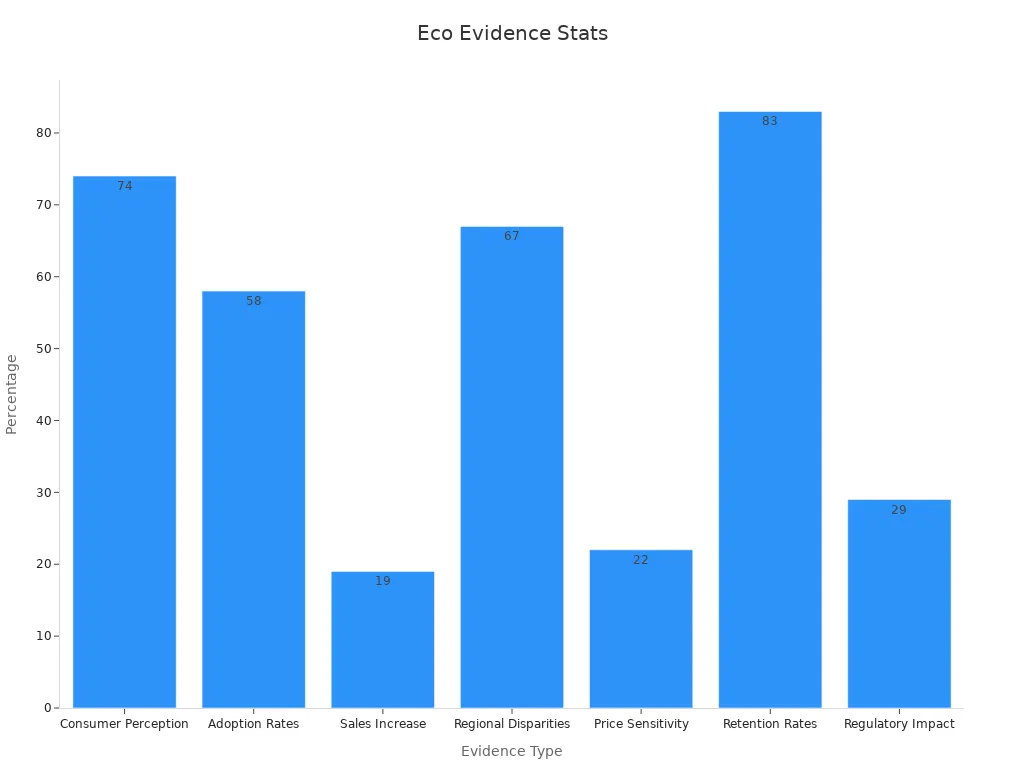
| Consumer Perception | 74% of global consumers prioritize sustainability in purchasing. |
| Retention Rates | Machine-washable products retain 83% more users than special-wash ones. |
| Sales Increase | US sales rose 19% for antimicrobial-treated hybrid sponge cloths. |
Switching to cellulose sponge cloths isn’t just about cleaning—it’s about making a difference. By choosing these reusable, biodegradable tools, households can embrace a greener lifestyle without sacrificing convenience. Why not start today? 🌱
FAQ
How long do cellulose sponge cloths last?
With proper care, these cloths can last several weeks. Regular cleaning and sanitizing extend their lifespan, making them a durable and cost-effective choice. 🧽
Can cellulose sponge cloths be used on delicate surfaces?
Yes! These cloths are safe for glass, marble, and wood. Their soft texture prevents scratches while delivering a streak-free shine.
Tip: Use a damp cloth for the best results on delicate surfaces.
Are cellulose sponge cloths dishwasher-safe?
Absolutely! Toss them in the dishwasher on a gentle cycle. This keeps them clean, fresh, and ready for reuse.
Pro Tip: Avoid fabric softeners to maintain absorbency.