

 Send Email
 whatsapp


What to Look for in a Microfiber Towel in 2025
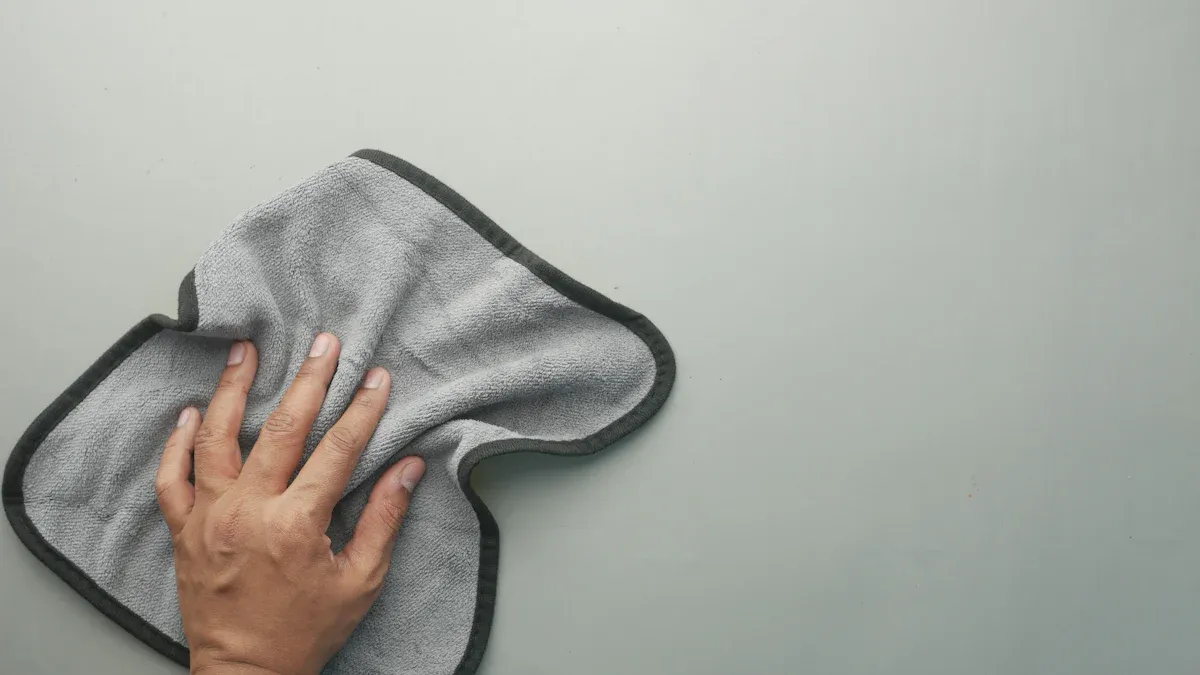
Microfiber towels have become a household essential, and their popularity continues to soar. The global microfiber Cleaning Towel market, valued at $900 million in 2023, is projected to hit nearly $1.5 billion by 2032, driven by the rising demand for efficient and eco-friendly cleaning solutions. Advancements like PVA microfiber towels are reshaping consumer preferences, offering unmatched versatility and performance.
Key Takeaways
- Pick microfiber towels with the right mix of materials. An 80/20 blend is soft and absorbs well.
- Choose the right GSM for your cleaning job. High GSM towels are gentle, while low GSM towels clean without streaks.
- Buy good-quality microfiber towels to save time and work. They last longer, clean better, and work for many tasks like drying or polishing.
Material and Blends
Polyester vs. Polyamide Ratios
The performance of a microfiber towel often depends on the ratio of polyester to polyamide in its blend. Polyester, a synthetic fiber, forms the backbone of most microfiber towels. It traps microscopic particles effectively, making it ideal for cleaning tasks. Polyamide, on the other hand, adds softness and absorbency to the towel.
Different ratios of these materials cater to various needs. For example:
| Polyester Ratio | Polyamide Ratio | Benefits |
|---|---|---|
| 70-85% | 15-30% | Good absorbency and durability |
| 80% | 20% | Softer and more absorbent towels |
| 5-10% (Nylon) | N/A | Increased abrasion resistance for industrial use |
A towel with an 80/20 blend offers a balance of softness and cleaning power, making it a popular choice for household use. Meanwhile, industrial-grade towels often include nylon for added durability. These ratios ensure that microfiber towels meet the specific demands of different tasks.
Benefits of High-Quality Blends
High-quality microfiber blends are designed with scientific precision. Millions of tiny fibers in these towels create van der Waals forces, which help them attach to microscopic dirt particles. This unique property allows microfiber towels to clean surfaces efficiently without the need for harsh chemicals.
Here’s why investing in a high-quality blend matters:
- They last longer, reducing the need for frequent replacements.
- They clean more effectively, saving time and effort.
- They are versatile, suitable for everything from polishing glass to drying cars.
Products made with superior blends undergo rigorous testing to ensure they meet high standards. For instance, third-party tests often verify their ability to remove microbes and trap dirt. This attention to detail guarantees that users get the best performance from their microfiber towels.
Introduction to PVA Microfiber Towels
PVA microfiber towels represent a leap forward in cleaning technology. These towels combine the absorbency of polyvinyl alcohol (PVA) with the softness of microfiber, creating a product that excels in both performance and versatility.
PVA microfiber towels can hold water for extended periods, making them perfect for tasks like drying dishes or cleaning windows. They also provide a cooling effect when exposed to air, lasting up to four hours on a single soak. This feature makes them ideal for outdoor activities or hot environments.
Additionally, these towels are highly absorbent and leave no streaks or lint behind. Businesses can even customize them with logos, turning them into unique promotional tools. Whether for personal use or branding purposes, PVA microfiber towels offer unmatched benefits.
GSM and Thickness
What GSM Means for Performance
GSM, or grams per square meter, measures the weight and density of a microfiber towel. It’s a key factor that determines how thick, soft, and absorbent the towel feels. Higher GSM values mean the towel is thicker and fluffier, while lower GSM values make it lighter and thinner.
Why does this matter? A towel’s GSM directly impacts its performance. For instance:
- High GSM towels (500 and above): These are plush and highly absorbent, making them perfect for delicate tasks like polishing or drying.
- Low GSM towels (200-350): These are thinner and better suited for tasks like cleaning windows or wiping down surfaces where streak-free results are essential.
- Mid-range GSM towels (350-500): These strike a balance between absorbency and versatility, ideal for general cleaning tasks.
Microfiber towels, regardless of GSM, can absorb up to eight times their weight in water. This makes them incredibly efficient for drying and cleaning, reducing water spots and streaks.
Choosing the Right GSM for Your Needs
Selecting the right GSM depends on what you need the towel for. Are you polishing your car, cleaning your kitchen, or wiping down glass? Each task benefits from a specific GSM range.
Here’s a quick guide to help you decide:
- For delicate surfaces: Choose a towel with at least 500 GSM. These towels are soft and gentle, ensuring no scratches or damage.
- For everyday cleaning: A GSM range of 300-400 works well. These towels are versatile and absorbent enough for most household tasks.
- For heavy-duty cleaning: Opt for towels with a GSM of 200-300. They’re durable and effective for scrubbing tougher messes.
Think of GSM as the "weight class" of your microfiber towel. A heavyweight towel offers luxury and softness, while a lightweight one delivers precision and efficiency.
GSM Recommendations for Specific Tasks
Different tasks call for different GSM levels. To make things easier, here’s a breakdown of recommended GSM values for common applications:
| Towel Type | Recommended GSM | Description |
|---|---|---|
| Multi-Surface | 300 GSM | Ideal for various surfaces, soft and absorbent. |
| Economy Towel | 250 GSM | Budget-friendly, but may be less than 200 GSM. |
| Detailing Towels | 400 GSM | Dual weave for deep cleaning with plush side. |
For even more clarity, consider this:
- An 800 GSM towel provides a plush cushion, making it ideal for polishing and wax removal.
- A 300 GSM towel offers a balance of softness and durability, perfect for multi-surface cleaning.
- Towels with 200 GSM or lower excel at streak-free window cleaning, thanks to their thinner profile.
By matching the GSM to the task, you’ll get the best performance out of your microfiber towel. Whether you’re drying, polishing, or scrubbing, there’s a perfect GSM for the job.
Weave Types
Types of Weaves (Split, Waffle, Plush, etc.)
The weave of a microfiber towel plays a significant role in its performance. Each weave type offers unique characteristics that make it suitable for specific tasks. Here's a quick overview:
| Weave Type | Characteristics | Applications |
|---|---|---|
| Herringbone Weave | Silky weave that glides over surfaces without bunching. | Ideal for glass and PPF cleaning. |
| Twisted Loop Weave | Twisted strands create a wide surface area for high absorbency. | Excellent for drying and removing prep sprays. |
| Circular Weave | Made from microscopic circles, resulting in plush texture. | Used in plush towels for gentle cleaning. |
| Hybrid Loop Weave | Combination of Waffle and Circular weaves for plushness and absorbency. | Great for drying soft paintwork. |
| Corale Fleece Weave | Soft, plush, and bouncy, reducing the chance of scratches. | Perfect for waterless washes. |
| Terry Weave | Common weave with variations in size, GSM, and edge. | Versatile for various cleaning tasks. |
| Pearl Weave | Tighter weave, lint-free, ideal for ceramic coatings. | Used for glass and PPF applications. |
| Waffle Weave | Waffle-like appearance with 'thirst pockets' for drying. | Best for drying and cleaning glass. |
| Diamond Weave | Diamond-shaped finish, lint-free, glides over surfaces. | Suitable for glass cleaning and PPF care. |
For example, waffle weaves excel at absorbing liquids and trapping dirt, while plush weaves provide a soft, scratch-free finish. The Liquid X Yellow Xtreme detailing towel combines these features, offering maximum absorption and a polished surface.
Matching Weave Types to Specific Tasks
Choosing the right weave type ensures optimal performance for any cleaning job. Some weaves are better suited for specific tasks than others.
A study found that twill weaves have the highest tensile strength and lowest microfiber emissions, making them ideal for heavy-duty cleaning. Satin weaves, while softer, emit more microfibers, making them better for light-duty tasks. This highlights the importance of selecting the appropriate weave for the job.
For instance, waffle weaves are perfect for drying glass surfaces without leaving streaks. Twisted loop weaves handle large amounts of water, making them great for drying cars. Plush weaves, with their soft texture, are ideal for delicate surfaces like painted finishes. Matching the weave type to the task ensures the microfiber towel performs efficiently and lasts longer.
Edge Types
Why Edge Construction Matters
The edges of a microfiber towel might seem like a small detail, but they play a big role in its performance and durability. Poorly constructed edges can fray over time, reducing the towel's lifespan. Worse, rough or unfinished edges can scratch delicate surfaces, especially when cleaning glass, mirrors, or car paint.
Well-made edges, on the other hand, keep the towel intact even after multiple washes. They also ensure the towel glides smoothly over surfaces without causing damage. For tasks like polishing or drying, edge construction becomes even more critical. A high-quality edge not only protects the towel but also enhances its overall effectiveness.
Common Edge Types (Serged, Laser Cut, etc.)
Microfiber towels come with different edge types, each designed for specific purposes. Here are some of the most common ones:
- Serged Edges: These are stitched edges that prevent fraying. They’re durable and work well for general cleaning tasks.
- Laser-Cut Edges: These edges are seamless and lint-free. They’re perfect for delicate surfaces like glass or car paint, as they leave no scratches.
- Rolled Edges: These edges are folded and stitched, offering extra durability. They’re ideal for heavy-duty cleaning.
- Ultrasonic Cut Edges: These use heat to seal the edges, creating a smooth finish. They’re great for streak-free cleaning on mirrors and windows.
Each edge type has its strengths. For example, laser-cut edges are a favorite for professional detailing, while serged edges are versatile and cost-effective. Choosing the right edge type ensures your microfiber towel performs its best for the task at hand.
Use Cases
Towels for Drying
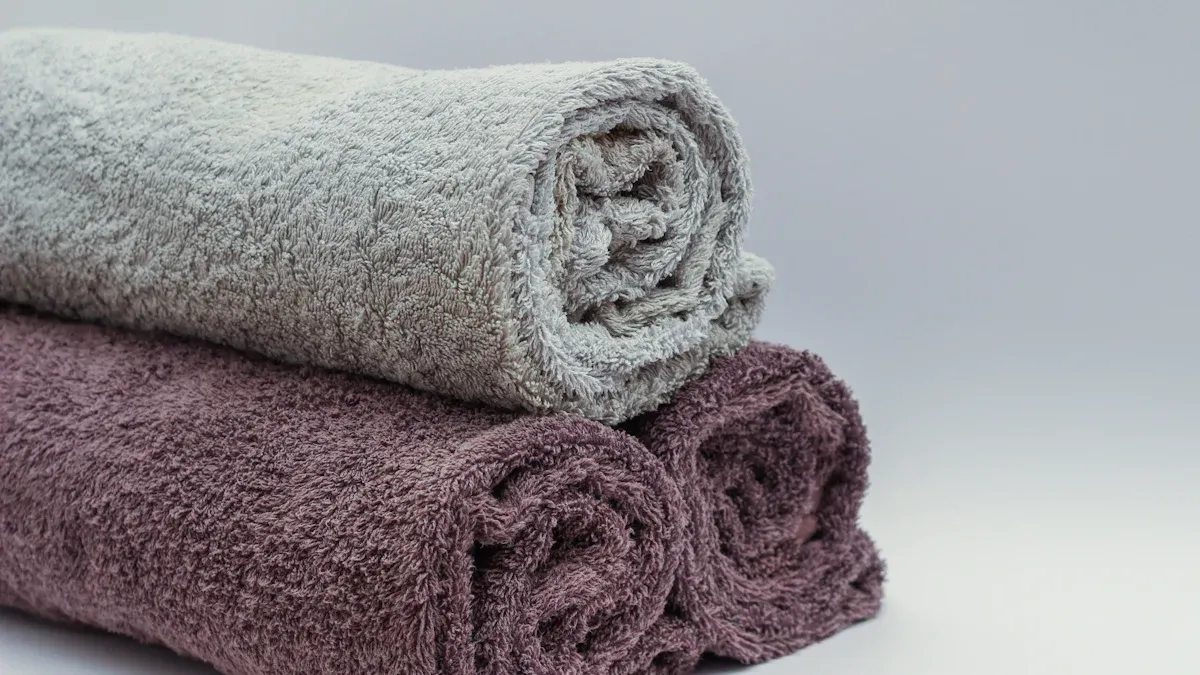
Drying tasks demand towels that are both absorbent and efficient. Microfiber towels excel in this area due to their ability to absorb up to eight times their weight in water. This makes them perfect for drying cars, dishes, or even pets. Their quick-drying nature also ensures they’re ready for reuse in no time.
The growing demand for quick-dry towels highlights their importance in both online and offline markets. Here’s a quick look at the market trends:
| Market Segment | Description |
|---|---|
| Type | Microfiber Towels, Pure Cotton Towels |
| Application | Online Sales, Offline Sales |
| Market Size | XX Million by 2025 |
| CAGR | XX% from 2025 to 2033 |
This data shows how microfiber towels are becoming a preferred choice for drying tasks across various industries.
Towels for Polishing
Polishing requires a towel that’s soft yet effective at removing smudges and streaks. Microfiber towels with a high GSM and plush weave are ideal for this purpose. They glide smoothly over surfaces, leaving a flawless finish. Whether polishing glass, mirrors, or car paint, these towels ensure a scratch-free shine.
Towels for Cleaning
Microfiber towels are highly effective for cleaning tasks. A study found that reusable microfiber cloths significantly reduce harmful microorganisms like MRSA and E. coli on surfaces such as stainless steel and ceramic tiles. Their ability to trap dirt and bacteria makes them a reliable choice for maintaining hygiene in homes, offices, and healthcare settings.
Specialty Applications for PVA Microfiber Towels
PVA microfiber towels bring unique benefits to the table. Their superior absorbency and streak-free performance make them perfect for cleaning windows or drying dishes. Additionally, businesses can customize these towels with logos, turning them into practical promotional tools. This combination of functionality and branding potential makes PVA microfiber towels a standout option for specialty applications.
Caring for Microfiber Towels
Washing Tips to Maintain Quality
Proper washing keeps a microfiber towel effective and long-lasting. Start by sorting towels by color and dirt level. Shake off debris or use a soft brush to remove particles before washing. Use a clear detergent free of dyes and perfumes to protect the fibers.
Proper maintenance maximizes the lifespan of microfiber towels. This includes separating them from other fabrics, sorting by purpose and color, and using the right detergent to avoid damaging the fibers.
Follow these steps for the best results:
- Avoid overloading the washing machine to ensure thorough cleaning.
- Wash on warm or hot settings, but steer clear of extreme heat.
- Clean the lint trap to prevent lint from sticking to the towels.
Drying is equally important. Use a low heat setting to avoid melting the fibers. Never use dryer sheets, as they clog the towel’s crevices. Remove towels promptly after drying to maintain their shape and texture.
Proper Storage to Extend Lifespan
Storing microfiber towels correctly ensures they stay in top condition. Keep them in a cool, dry place away from direct sunlight. Avoid stacking them with lint-producing fabrics like cotton, as this can lead to lint transfer.
Here are some additional tips:
- Use detergents with a pH under 11 to prevent fiber damage.
- Avoid fabric softeners, which can clog the towel’s absorbent crevices.
- Store towels flat or folded neatly to prevent creases that might weaken the fibers over time.
Avoiding Common Mistakes in Microfiber Towel Care
Even small mistakes can reduce the effectiveness of microfiber towels. For example, spraying cleaners directly onto surfaces can cause streaking. Instead, spray the cleaner onto the towel for better control.
Other common mistakes to avoid include:
- Using soap-based detergents, which leave residue on the fibers.
- Washing towels with harsh bleaches or high heat, which can weaken the material.
- Ironing microfiber towels, as the heat can melt the fibers.
By following these care tips, you can keep your microfiber towels performing like new for years to come.
Microfiber towels have revolutionized cleaning with their efficiency, absorbency, and eco-friendly design. They outperform traditional cloths by trapping dirt and bacteria with their unique fibers. Proper selection and care ensure they last for hundreds of uses, as noted by industry experts. Innovations like PVA microfiber towels add even more versatility, making them indispensable in 2025.
Key Features and Innovations:
- Efficiency: Vast surface area for trapping dirt and bacteria.
- Absorbency: Holds more liquid, reducing cleaning solution use.
- Environmental Impact: Reusable and sustainable.
Choosing the right microfiber towel for your needs ensures superior performance and long-term value. Make an informed decision to elevate your cleaning game this year.
FAQ
What makes PVA microfiber towels different from regular microfiber towels?
PVA microfiber towels combine PVA’s absorbency with microfiber’s softness. They dry faster, leave no streaks, and are perfect for cleaning windows or drying dishes.
Can microfiber towels be used for car detailing?
Absolutely! Microfiber towels with high GSM and plush weaves work wonders for polishing, drying, and cleaning car surfaces without scratching or leaving lint. 🚗✨
How do I clean microfiber towels properly?
Wash them separately with mild detergent. Avoid fabric softeners and high heat. Dry on low settings to keep the fibers intact and absorbent.