

 Send Email
 whatsapp


Why Hospitals Are Adopting Degradable Cleaning Brushes for Hygiene

Hospitals face constant challenges in maintaining hygiene. Cross-contamination risks demand smarter cleaning solutions. That’s why many are embracing the Degradable Cleaning Brush. It’s not just a cleaning tool—it’s a game-changer. Made from eco-friendly materials, it helps facilities stay clean while reducing environmental harm. Cleaner hospitals mean safer patients and a healthier planet.
Key Takeaways
- Degradable cleaning brushes help keep hospitals clean and safe. They are used once, so germs don’t stay on them. This makes them great for important healthcare areas.
- Using degradable brushes is better for the environment. These brushes are made from bamboo and viscose, which break down naturally. This helps cut down on trash and pollution.
- Hospitals can save money over time with degradable brushes. They don’t need to be cleaned or fixed, which lowers work and trash costs.
The Hygiene Imperative in Hospitals
Infection prevention and the role of cleaning tools
Hospitals are high-stakes environments where cleanliness can mean the difference between life and death. Every year, healthcare-associated infections (HAIs) affect one in 25 hospitalized patients, leading to over 700,000 illnesses and 75,000 deaths. These infections also impose a staggering economic burden, costing between $96 and $147 billion annually.
Cleaning tools play a critical role in infection prevention. Studies show that enhanced cleaning methods can significantly reduce bacterial contamination. For example, using visual cues like color additives during cleaning reduced microbial presence on surfaces from 92% to just 31%. In intensive care units (ICUs), improved cleaning procedures have led to fewer infections and healthier outcomes for patients.
The right tools, such as the Degradable Cleaning Brush, can make a big difference. They not only improve hygiene but also minimize risks associated with cross-contamination. Hospitals that prioritize effective cleaning tools are better equipped to protect patients and staff from harmful pathogens.
Challenges with traditional cleaning brushes in healthcare
Traditional cleaning brushes often fall short in healthcare settings. Many are made from non-biodegradable plastics, which contribute to environmental waste. Their design can also harbor bacteria, making them less effective at maintaining hygiene. Brushes with reusable components, like buckets or bristles, can lead to drips and spills, increasing the risk of cross-contamination.
Additionally, these brushes may not reach tight spaces or corners, leaving some areas inadequately cleaned. This can compromise infection control efforts, especially in critical areas like operating rooms or patient wards. Hospitals need tools that address these challenges while aligning with their sustainability goals.
What Makes a Degradable Cleaning Brush Unique?
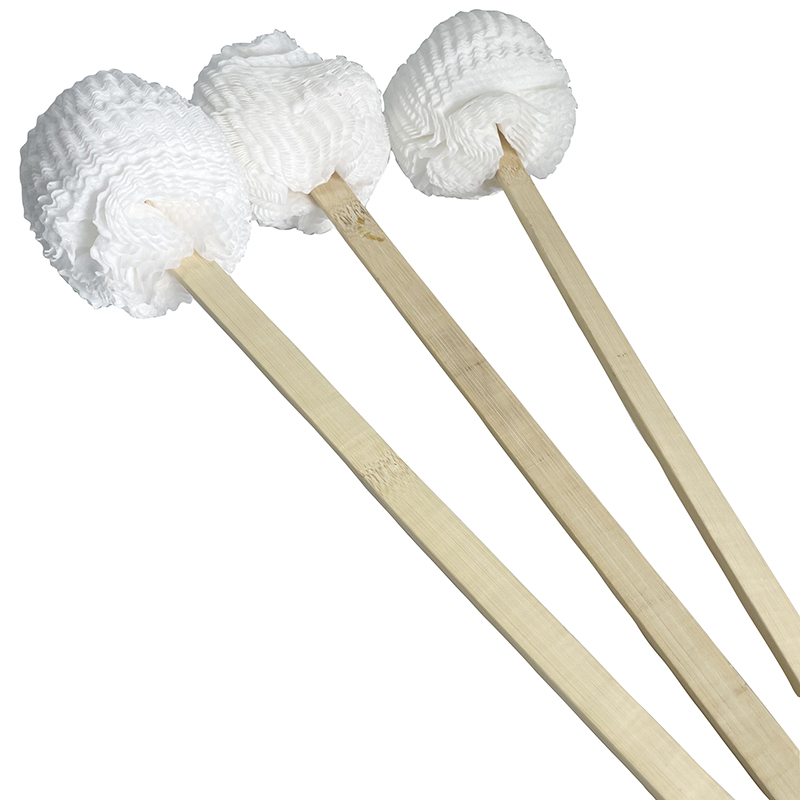
Materials used in degradable brushes and their eco-friendly properties
Degradable cleaning brushes stand out because of their environmentally friendly materials. Unlike traditional brushes made from plastic, these brushes use sustainable resources like bamboo and viscose. Bamboo, for instance, is a fast-growing plant that doesn’t need pesticides or fertilizers. It’s renewable and can regrow within three years after harvesting.
Here’s why bamboo and other biodegradable materials are better for the planet:
- Bamboo grows organically, reducing its environmental footprint.
- It decomposes naturally within months, leaving no harmful residue.
- Bamboo handles can be reused before disposal, cutting down on waste.
Viscose, used for the brush head, is another eco-friendly material. It’s derived from natural fibers, making it both effective for cleaning and gentle on surfaces. Together, these materials create a cleaning tool that’s tough on grime but kind to the environment.
How degradable brushes differ from traditional options
Degradable cleaning brushes don’t just help the planet—they also improve hygiene. Traditional brushes, often made from plastic, can harbor bacteria and contribute to cross-contamination. In contrast, degradable brushes are designed for single use, reducing the risk of spreading germs.
Their materials also make a difference. A study comparing bamboo and plastic brushes found that bamboo models had significantly lower microbial contamination. The study also highlighted the environmental impact of plastic brushes, showing their greater contribution to climate change.
"Biodegradable brushes made from bamboo show similar cleaning benefits to traditional nylon brushes but with much lower microbial contamination."
By switching to degradable cleaning brushes, hospitals can achieve better hygiene while supporting sustainability goals.
Why Hospitals Are Switching to Degradable Cleaning Brushes
Enhanced hygiene and reduced contamination risks
Hospitals need cleaning tools that prioritize hygiene. Degradable cleaning brushes are designed for single use, which helps reduce the risk of cross-contamination. Unlike traditional brushes, they don’t retain bacteria or germs after cleaning. This makes them ideal for healthcare settings where infection control is critical.
The E-Sun 100% Degradable Cleaning Brush is a great example. Its bamboo handle and viscose brush head are lightweight and easy to use. The curved design allows staff to clean hard-to-reach areas, ensuring no spot is left untouched. By eliminating reusable components like buckets, these brushes also prevent drips and spills that could spread germs.
Switching to degradable brushes means hospitals can maintain higher hygiene standards. Patients and staff benefit from cleaner environments, and the risk of healthcare-associated infections drops significantly.
Environmental benefits and waste reduction
Degradable cleaning brushes offer more than hygiene—they’re better for the planet. Traditional brushes made from plastic contribute to landfill waste and pollution. In contrast, degradable brushes break down naturally, leaving no harmful residue. Bamboo handles decompose within months, while viscose brush heads are derived from renewable fibers.
Here’s why hospitals are choosing eco-friendly cleaning tools:
- 🌱 Bamboo grows quickly and doesn’t require pesticides, making it a sustainable resource.
- 🌍 Biodegradable materials reduce harm to ecosystems and aquatic life.
- ♻️ These brushes often come in recyclable packaging, cutting down on waste.
By adopting degradable cleaning brushes, hospitals can reduce their environmental footprint. They’re not just cleaning rooms—they’re helping protect the planet for future generations.
Alignment with healthcare sustainability initiatives
Healthcare facilities are under pressure to meet sustainability goals. Degradable cleaning brushes align perfectly with these initiatives. They avoid harsh chemicals found in traditional cleaning tools, making them safer for patients and staff. This is especially important for individuals with weakened immune systems.
Hospitals that switch to biodegradable products also contribute to cleaner air and water. Plant-based ingredients in these brushes break down easily, minimizing pollution. They help protect water sources and marine environments, which is vital for global health.
Some benefits of green cleaning tools include:
- Reduced exposure to toxic substances.
- Safer cleaning processes for vulnerable populations.
- Lower impact on air and water quality.
By choosing degradable cleaning brushes, hospitals show their commitment to sustainability. They’re not just improving hygiene—they’re leading the way in environmental responsibility.
Effectiveness and Cost Efficiency of Degradable Cleaning Brushes

Performance comparison with traditional cleaning tools
When it comes to cleaning performance, degradable cleaning brushes hold their own against traditional tools. In fact, they often outperform their plastic counterparts in healthcare settings. Traditional brushes, made from synthetic materials, can trap bacteria in their bristles. This makes them harder to sanitize and increases the risk of spreading germs. Degradable brushes, on the other hand, are designed for single use. This feature eliminates the chance of reusing contaminated tools, which is a game-changer for infection control.
The E-Sun 100% Degradable Cleaning Brush is a prime example. Its bamboo handle and viscose brush head work together to tackle tough stains while being gentle on surfaces. The slightly curved design allows it to reach tight corners and crevices that traditional brushes often miss. This ensures a more thorough clean, especially in high-risk areas like operating rooms or ICUs.
Another advantage is the lightweight design. At just 1.5 ounces, these brushes are easier to handle, reducing fatigue for cleaning staff. Traditional brushes, with their heavier build and reusable components, can be cumbersome during long cleaning shifts. By switching to degradable options, hospitals can improve both cleaning efficiency and staff comfort.
Tip: Hospitals looking to enhance their cleaning protocols should consider degradable brushes for their superior hygiene and ease of use.
Long-term cost savings and reduced waste management expenses
While degradable cleaning brushes may seem like a premium choice upfront, they offer significant cost savings in the long run. Traditional brushes, with their reusable design, require regular cleaning and maintenance. This adds to labor costs and increases the need for chemical disinfectants. Degradable brushes eliminate these recurring expenses by being single-use and ready to dispose of after cleaning.
Waste management is another area where these brushes shine. Plastic cleaning tools contribute to landfill waste, which comes with disposal fees and environmental penalties. Degradable brushes, made from bamboo and viscose, break down naturally. This reduces the volume of waste hospitals need to manage, cutting down on associated costs.
Let’s look at the numbers. A hospital using traditional brushes might spend thousands annually on cleaning supplies, maintenance, and waste disposal. By transitioning to degradable brushes, facilities can save on:
- Labor costs: No need for extra time spent sanitizing reusable tools.
- Chemical expenses: Fewer disinfectants required for cleaning brushes.
- Waste fees: Lower disposal costs due to biodegradable materials.
Additionally, bulk packaging options, like the 200-piece cases offered by E-Sun, make it easier for hospitals to stock up without overspending. These brushes are also compressed for shipping, reducing transportation costs and carbon emissions.
In the long term, degradable cleaning brushes prove to be a cost-effective solution. They not only save money but also align with sustainability goals, making them a smart investment for healthcare facilities.
Real-World Examples of Degradable Cleaning Brush Adoption
Case studies of hospitals using degradable brushes
Several hospitals have already embraced the Degradable Cleaning Brush to improve hygiene and sustainability. One notable example is Green Valley Medical Center, a mid-sized hospital in California. They replaced traditional plastic brushes with degradable ones in their Environmental Services (EVS) department. The switch was part of their broader initiative to reduce waste and enhance infection control.
Another example comes from St. Mary’s Hospital in New York. Their team faced challenges with cross-contamination due to reusable cleaning tools. After adopting degradable brushes, they noticed a significant drop in infection rates. The hospital also reported that staff found the brushes easier to use, especially in hard-to-reach areas.
In Europe, a large teaching hospital in Germany piloted degradable brushes in their intensive care units. The results were impressive. Cleaning efficiency improved, and the hospital reduced its plastic waste by 30% within six months. These case studies highlight how hospitals worldwide are benefiting from this innovative tool.
Positive outcomes and lessons from early adopters
Hospitals that switched to degradable brushes have seen remarkable results. Infection rates dropped, cleaning efficiency improved, and waste management became easier. Staff members appreciated the lightweight design and single-use feature, which reduced the risk of spreading germs.
Early adopters also learned valuable lessons. They found that training staff on proper usage was key to maximizing the benefits. Hospitals that integrated these brushes into their cleaning protocols saw smoother transitions and better outcomes. These experiences show that adopting degradable brushes is not just a trend—it’s a smart, sustainable choice for healthcare facilities.
Steps for Transitioning to Degradable Cleaning Brushes
Evaluating and selecting the right degradable cleaning tools
Switching to degradable cleaning brushes starts with choosing the right tools. Hospitals need to evaluate their specific cleaning needs before making a decision. For example, areas like operating rooms or ICUs may require brushes with precise designs to reach tight spaces. Tools like the E-Sun 100% Degradable Cleaning Brush, with its curved handle and lightweight build, are ideal for such tasks.
When selecting brushes, hospitals should consider the materials used. Bamboo handles and viscose brush heads are not only eco-friendly but also effective for thorough cleaning. Single-use designs are another key factor. They help reduce cross-contamination risks, which is critical in healthcare settings.
Tip: Look for brushes that come in bulk packaging to simplify inventory management. Products like E-Sun’s 200-piece cases make stocking up more efficient.
Hospitals should also assess the environmental impact of their choices. Brushes made from biodegradable materials align with sustainability goals and reduce waste. By prioritizing these factors, facilities can ensure they’re investing in tools that meet both hygiene and environmental standards.
Training staff and integrating new tools into cleaning protocols
Introducing new cleaning tools requires proper training. Staff members need to understand how to use degradable brushes effectively. Start by demonstrating the correct techniques for handling and disposing of single-use brushes. Highlight their benefits, such as reducing contamination risks and improving cleaning efficiency.
Hospitals should update their cleaning protocols to include these tools. For example, assign specific brushes for different areas to avoid cross-use. Encourage staff to replace brushes after each use to maintain hygiene.
Note: Hands-on training sessions can help staff feel more confident about using the new tools.
Regular feedback from the cleaning team is also important. It helps identify any challenges and ensures smooth integration into daily routines. With the right training and protocols, hospitals can maximize the benefits of degradable cleaning brushes.
Degradable cleaning brushes are changing how hospitals approach hygiene. These tools improve cleanliness while supporting eco-friendly practices. By adopting them, hospitals can reduce waste and create safer environments for patients and staff. The Degradable Cleaning Brush offers a practical solution that aligns with public health and sustainability goals.
FAQ
What makes degradable cleaning brushes better for hospitals?
Degradable brushes reduce cross-contamination risks and environmental waste. Their single-use design ensures hygiene, while bamboo and viscose materials support sustainability. 🌱
Are degradable cleaning brushes cost-effective?
Yes! Hospitals save on waste disposal and maintenance costs. Bulk packaging, like E-Sun’s 200-piece cases, simplifies inventory management and reduces expenses.
How can hospitals train staff to use these brushes?
Hands-on sessions work best. Demonstrate proper usage and disposal techniques. Update cleaning protocols to include single-use brushes for better hygiene.