

 Send Email
 whatsapp


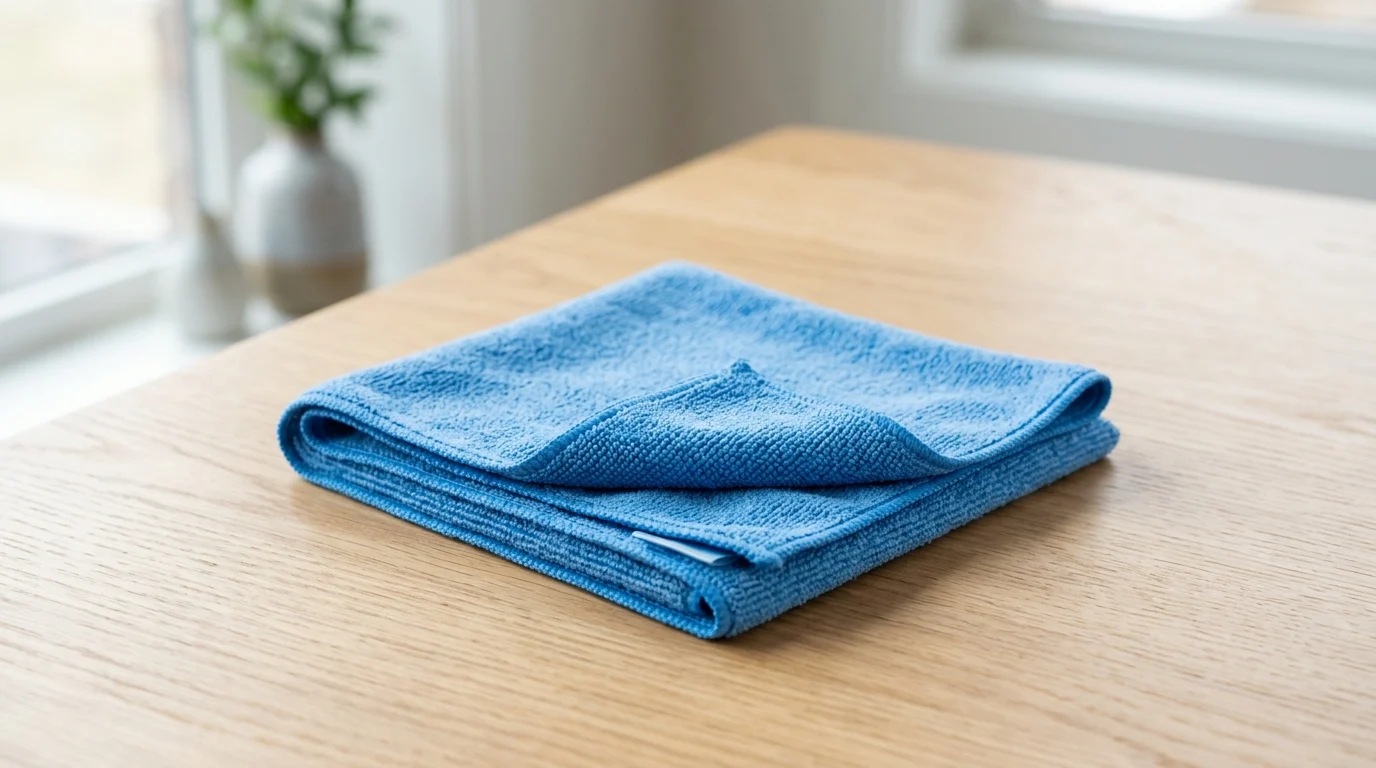
Cleaning teams are under pressure to deliver higher hygiene standards while controlling labor, chemical, and replacement costs. That is why Microfiber Cleaning clothshave moved from a specialty product to a standard tool in commercial facilities, healthcare environments, and industrial maintenance programs. Unlike cotton rags, sponges, or disposable wipes, microfiber is engineered with ultra-fine split fibers that lift, trap, and hold contaminants more effectively. The result is better dust removal, stronger absorbency, reduced lint, and longer service life. This article explains how microfiber works, how it compares with traditional cleaning tools, and why its performance advantages are reshaping modern surface-care practices.
Why Microfiber Cleaning Cloths Are Replacing Traditional Options
Commercial facility management, healthcare sanitation, and industrial maintenance protocols are undergoing a fundamental shift in surface care. The transition away from conventional cotton rags, synthetic sponges, and disposable paper products is largely driven by stringent hygiene standards and the need for long-term cost control. Central to this operational upgrade is the widespread implementation of advanced synthetic textiles, which offer engineered solutions to age-old contamination challenges.
What Is a Microfiber Cleaning Cloth?
A standard microfiber cleaning cloth is an engineered textile typically composed of a precise synthetic blend of polyester and polyamide (nylon). The industry standard ratio is 80% polyester for structural integrity and scrubbing power, combined with 20% polyamide for superior absorption and softness. The defining characteristic of this material is its extreme fineness; professional-grade microfibers measure between 0.1 and 0.3 denier. To put this in perspective, a single strand is approximately one-hundredth the diameter of a human hair. During the manufacturing process, these synthetic fibers are mechanically or chemically split, creating a microscopic net-like structure with millions of tiny hooks and crevices. This complex geometry is specifically designed to trap particulates, microbes, and moisture within the fiber network rather than merely pushing them across a surface, as traditional rounded cotton fibers do.
Key Performance Benefits Driving Adoption
When moved across a dry surface, the synthetic material generates an electrostatic charge, actively attracting and binding positively charged dust particles and allergens. This mechanical cleaning action significantly reduces the reliance on volatile organic compounds (VOCs) and harsh chemical solvents. Under specific test conditions, clinical and industrial facility studies demonstrate that using a high-density synthetic cloth can reduce chemical and water usage by up to 95% compared to traditional wet-cleaning methods. Furthermore, the non-abrasive nature of the material ensures that delicate substrates, from optical lenses to automotive clear coats, remain free from micro-scratches. This minimizes defect rates and rework costs in critical manufacturing environments. By capturing contaminants mechanically, facilities also experience a notable drop in secondary cross-contamination, making the textile a valuable component of modern infection control programs.
How Microfiber Compares with Traditional Cleaning Cloths
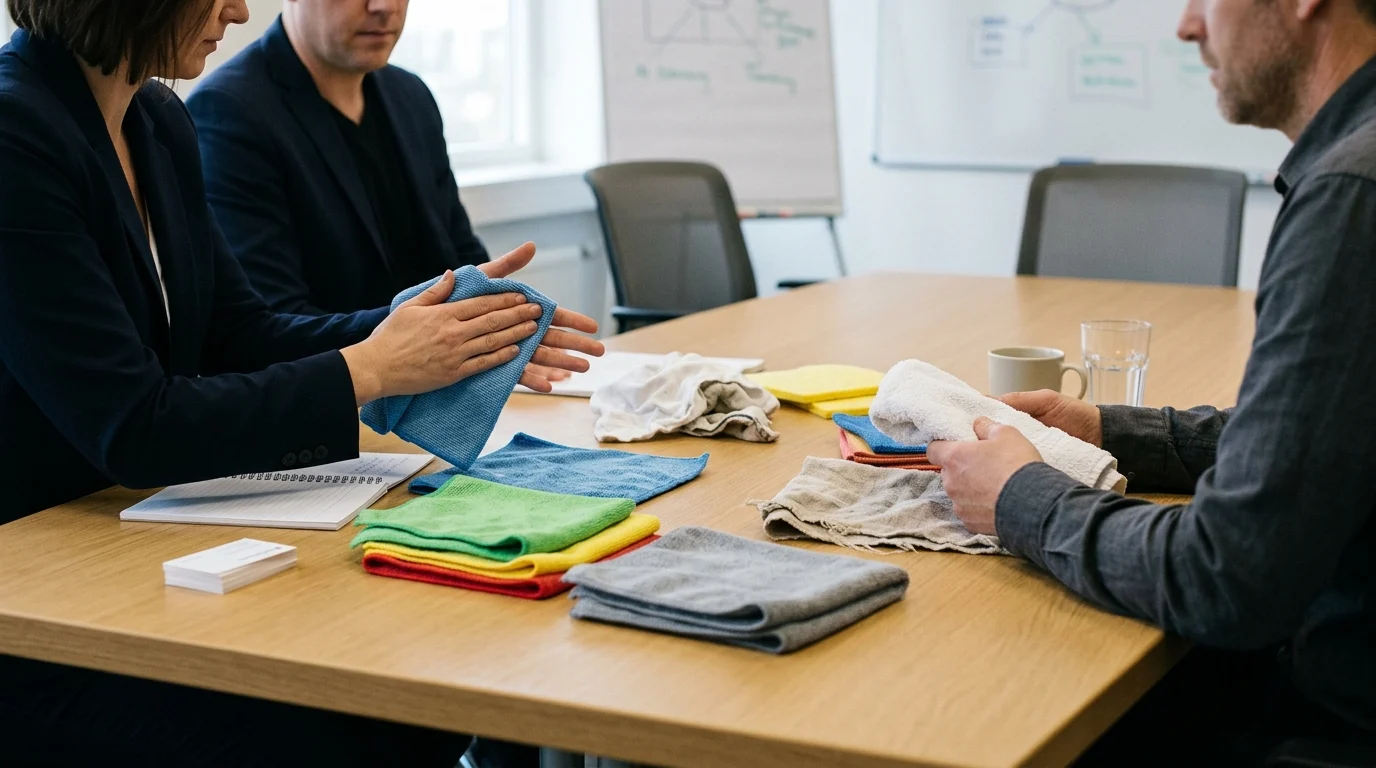
Evaluating commercial cleaning implements requires a rigorous analysis of lifecycle performance, ergonomic impact, and physical capabilities. When subjected to comparative testing in high-volume environments, advanced synthetic textiles consistently outperform conventional woven cotton and cellulose-based disposables across primary operational metrics.
Absorbency, Durability, and Cleaning Efficiency
The dense, porous structure of split fibers provides strong capillary action for fluid management. While a standard commercial cotton towel can absorb roughly three to four times its dry weight in liquid, a professional microfiber cleaning cloth routinely holds seven to eight times its weight, facilitating rapid spill containment. Durability presents another stark contrast. Commercial cotton degrades rapidly under industrial laundering, typically fraying, shedding lint, or losing structural integrity after 100 to 200 wash cycles. Conversely, high-quality microfiber withstands 500 to 1,000 high-temperature laundering cycles before exhibiting significant performance degradation.
| Performance Metric | Traditional Cotton Cloth | Professional Microfiber |
|---|---|---|
| Liquid Absorption Capacity | 3–4x dry weight | 7–8x dry weight |
| Lifecycle (Wash Cycles) | 100–200 cycles | 500–1,000 cycles |
| Bacteria Removal (Water Only) | ~30%* | ~99%* |
| Lint Generation Profile | High | Ultra-Low to Zero |
| Drying Time | Extended (100% baseline) | Fast (approx. 33% of cotton) |
*Manufacturer-reported under specific controlled test conditions.
Operational Advantages for Facilities
Beyond physical metrics, the operational advantages scale significantly across large facility footprints. In healthcare and pharmaceutical settings, hygiene compliance is paramount. Manufacturer-reported data under controlled conditions indicates microfiber can physically remove up to 99% of surface bacteria and spores using only water, compared to cotton's estimated 30% removal rate. Furthermore, these synthetic cloths are easily integrated into strict color-coding systems (e.g., red for high-risk sanitary areas, yellow for clinical sinks, blue for glass), which are a critical regulatory standard for preventing cross-contamination. From an ergonomic standpoint, microfiber requires less downward pressure to achieve a clean surface and weighs significantly less than water-logged cotton, actively reducing repetitive strain injuries among janitorial staff.
However, successful implementation requires specific training and logistical adjustments. Facilities must account for higher upfront procurement costs and adapt laundering protocols, as microfiber's effectiveness is severely reduced by fabric softeners and high-heat drying, which can damage the synthetic fibers. Additionally, environmental considerations must be weighed; as a non-biodegradable synthetic, microfiber sheds microplastics during laundering, prompting some facilities to install specialized washing machine filters to mitigate environmental impact.
How Facilities Should Specify and Source Microfiber Cloths
Transitioning to advanced synthetic textiles requires precise procurement specifications rather than ad-hoc purchasing. Facility managers and procurement officers must evaluate several technical parameters to ensure the selected product aligns with the intended industrial, commercial, or cleanroom application.
Choosing GSM, Weave, Size, and Edge Type
The most critical metric for sourcing any wholesale microfiber cleaning cloth is Grams per Square Meter (GSM), which dictates the textile's density, pile, and absorbency. A lower density of 200 to 250 GSM is optimal for streak-free glass cleaning and light dusting, as it offers a thin, tight weave. General facility maintenance typically requires a medium 300 to 350 GSM terry weave, balancing fluid retention with ergonomic wringing. Heavy-duty industrial applications, such as machine shop maintenance and automotive detailing, demand plush 400+ GSM textiles. Beyond weight, weave patterns dictate functionality: waffle weaves provide aggressive scrubbing power for dried soils, while flat pearl weaves excel at polishing. Edge construction is equally vital; while standard overlocked stitching suits general janitorial use, cleanroom environments require ultrasonic cut edges to guarantee strictly lint-free performance and maintain ISO-compliant particulate thresholds.
When Microfiber Is the Right Choice
Deploying the correct textile is highly dependent on the facility's specific contamination control requirements and budget cycles. Microfiber is a highly effective option for high-touch surface sanitation, precision manufacturing wipe-downs, and environments sensitive to chemical residues.
Key Takeaways
- Choose professional microfiber cloths with a polyester-polyamide blend, such as 80/20, for a balance of durability, absorption, and softness.
- Use dry microfiber for dusting because its electrostatic charge helps attract and bind dust particles and allergens.
- Replace cotton towels in high-volume settings when absorbency matters, since microfiber can hold seven to eight times its weight in liquid.
- Plan laundering programs around microfiber’s longer service life, as quality cloths can withstand about 500 to 1,000 wash cycles.
- Reduce chemical and water consumption by using microfiber’s mechanical trapping action for routine surface cleaning where protocols allow.
- Protect delicate surfaces by using clean, non-abrasive microfiber cloths to reduce lint, streaking, and micro-scratch risks.
Frequently Asked Questions
What is a microfiber cleaning cloth made of?
Most professional microfiber cloths use a synthetic blend of polyester and polyamide, often around 80% polyester and 20% polyamide. Polyester adds durability and scrubbing power, while polyamide improves softness and absorption.
Why does microfiber clean better than cotton?
Split microfiber creates millions of tiny hooks and channels that trap dust, moisture, and microbes instead of pushing them around. Dry microfiber also generates an electrostatic charge that helps attract dust and allergens.
How much liquid can a microfiber cloth absorb?
A professional microfiber cleaning cloth can typically hold seven to eight times its weight in liquid, compared with about three to four times for many commercial cotton towels.
Can microfiber reduce chemical use?
Yes. Because microfiber captures contaminants mechanically, facilities can often reduce reliance on harsh chemicals. Under specific test conditions, microfiber cleaning systems have reduced chemical and water use by up to 95%.
Is microfiber safe for delicate surfaces?
High-quality microfiber is non-abrasive when clean and properly used, making it suitable for delicate surfaces such as glass, optical lenses, automotive finishes, and polished equipment.