

 Send Email
 whatsapp


How Hospital Disposable Mop Pads Enhance Hygiene
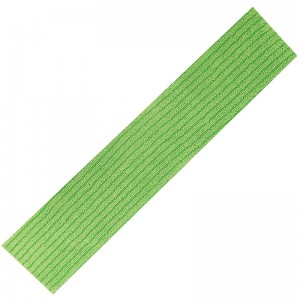
Maintaining a sterile environment in hospitals is critical for patient safety. Hospital disposable mop pads play a vital role in reducing contamination risks. Studies have shown that disposable moppads, particularly disposable Microfiber Mops, significantly decrease colony-forming units compared to traditional cleaning tools. Theirsingle-use microfiber mopdesign eliminates the risk of pathogen transfer, ensuring effective hygiene in medical facilities. The convenience of using a disposable mop enhances the overall cleaning process, making it an essential choice for maintaining cleanliness in healthcare settings.
Key Takeaways
- Disposable mop pads stop germs from spreading by using a new pad each time, keeping hospitals cleaner.
- Using these pads in busy areas lowers the chance of germs spreading, helping keep hospital spaces safe.
- Disposable Mop Padsmake cleaning faster and easier, allowing more frequent cleaning without extra work.
Preventing Cross-Contamination with Hospital Disposable Mop Pads

Single-Use Design for Infection Prevention
When it comes to infection prevention, single-use cleaning tools are a game-changer. I have seen how traditional reusable mops, despite regular laundering, can retain microbes and debris. Studies reveal that repeated washing damages the microfiber structure, reducing its cleaning efficiency. This damage increases the risk of cross-contamination, as microbes can linger on the mop and spread to other areas. Disposable microfiber mop pads eliminate this risk entirely. Their single-use design ensures that each pad is fresh and uncontaminated, providing a clean slate for every cleaning session. This approach not only enhances hygiene but also aligns with modern infection control protocols in hospitals.
Reducing Pathogen Spread in High-Traffic Areas
High-traffic areas in hospitals, such as hallways, waiting rooms, and emergency departments, are hotspots for pathogen transmission. I have observed that these spaces require frequent and thorough cleaning to minimize microbial spread. Using disposable mop pads in these areas significantly reduces the risk of transferring pathogens from one location to another. Unlike reusable mops, which can carry contaminants across surfaces, disposable pads are discarded after each use. This practice ensures that no harmful microbes are reintroduced into the environment. By adopting this method, hospitals can maintain a higher standard of cleanliness in their busiest zones.
Ensuring Hygiene in Critical Zones (e.g., ICUs, operating rooms)
Critical zones like intensive care units (ICUs) and operating rooms demand the highest level of hygiene. These areas house vulnerable patients who are at a greater risk of infections. I understand the importance of using tools that guarantee cleanliness in such sensitive environments. Disposable mop pads, such as the Hospital Disposable Mop Pad, are ideal for these settings. Their ability to remove over 99.7% of tested viruses and bacteria with just water makes them a reliable choice for maintaining sterility. Additionally, the single-use nature of these pads prevents cross-contamination between patient rooms or surgical areas. This ensures that every surface is cleaned to the highest standard, safeguarding patient health and supporting infection control measures.
Enhancing Cleaning Efficiency in Hospitals
Ready-to-Use Convenience for Healthcare Staff
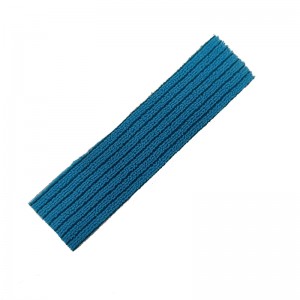
I have seen firsthand how disposable mop pads simplify cleaning routines for healthcare staff. Their ready-to-use design eliminates the need for pre-cleaning preparation, saving valuable time during busy shifts. Unlike reusable mop pads, which require laundering and drying, disposable options are immediately available for use. This convenience allows staff to focus on maintaining hygiene standards without interruptions.
Disposable microfiber mop pads, such as the Hospital Disposable Mop Pad, are particularly effective in healthcare environments. Their ability to trap dust, debris, and microbes ensures thorough cleaning with minimal effort. This feature is especially beneficial in high-pressure situations where quick and efficient cleaning is essential.
Consistent Cleaning Performance Across Hospital Floors
Consistency is key when maintaining cleanliness across hospital floors. I have noticed that disposable mop pads deliver uniform cleaning results, regardless of the surface type. Microfiber technology enhances their ability to remove dirt and pathogens effectively, ensuring every area meets hygiene standards.
- Microfiber or disposable mop pads are recommended to prevent cross-contamination.
- Proper cleaning practices, such as changing mop pads after cleaning each patient’s room, maintain hygiene in high-risk areas.
- Disposable pads are ideal for reducing cross-contamination in busy hospital settings.
This reliability makes disposable mop pads a preferred choice for healthcare facilities striving to uphold cleanliness across diverse zones.
Time-Saving Benefits for Busy Hospital Environments
Time is a critical factor in hospital cleaning operations. Disposable mop pads streamline the process by reducing the need for pad changes during cleaning rounds. For example, the Premira Versa pad covers up to 400 square feet, allowing staff to clean larger areas efficiently.
I have observed that disposable microfiber mop pads significantly reduce cross-contamination risks by being used once and discarded. This practice ensures a fresh cleaning tool for every session, minimizing the potential for healthcare-associated infections (HAIs). Facilities using disposable mop pads have reported increased cleaning frequency—up to 150%—without additional labor costs.
By adopting disposable mop pads, hospitals can optimize their cleaning routines, save time, and maintain high hygiene standards, even in demanding environments.
Supporting Infection Control Protocols with Hospital Disposable Mop Pads
Compliance with Hospital Hygiene Standards
Maintaining compliance with hospital hygiene standards is a cornerstone of effective infection control. I have observed that hospitals must adhere to strict protocols to ensure cleanliness and safety. Disposable mop pads play a pivotal role in meeting these requirements. Their single-use nature eliminates the risk of cross-contamination, which is a critical factor in maintaining sterile environments.
To ensure compliance, hospitals often implement the following measures:
- Standard Operating Procedures (SOPs): These outline step-by-step cleaning processes, ensuring consistency across all cleaning activities.
- Regular Staff Training: Ongoing education equips staff with the latest best practices and safety protocols.
- Competency Assessments: These evaluations confirm that staff can use cleaning tools, such as disposable mop pads, correctly and effectively.
- Maintain Proper Documentation: Detailed cleaning logs and records of chemical usage are essential for audits and inspections.
- Conduct Internal Audits: Mock audits help identify and address potential compliance gaps.
- Invest in High-Quality Cleaning Tools: Using disposable options, like the Hospital Disposable Mop Pad, reduces cross-contamination risks and ensures consistent cleaning performance.
These practices not only help hospitals meet regulatory standards but also create a safer environment for patients and staff.
Contribution to Reducing Healthcare-Associated Infections (HAIs)
Healthcare-associated infections (HAIs) remain a significant challenge in medical facilities. I have seen how even minor lapses in cleaning protocols can lead to outbreaks. Disposable mop pads are a game-changer in this regard. Their ability to remove over 99.7% of tested viruses and bacteria with just water makes them an invaluable tool in the fight against HAIs.
By using disposable mop pads, hospitals can prevent the spread of pathogens between patient rooms and other critical areas. This practice aligns with infection control protocols designed to minimize microbial transmission. Additionally, the convenience of single-use pads encourages more frequent cleaning, which further reduces the risk of HAIs.
Integration with Advanced Cleaning Technologies
The integration of disposable mop pads with advanced cleaning technologies has revolutionized hospital hygiene. I have noticed that modern cleaning systems often incorporate microfiber technology, which enhances the effectiveness of disposable mop pads. For instance, the E-Sun microfiber disposable printing mop pad combines high-quality materials with innovative design to deliver superior cleaning performance.
These mop pads are compatible with various cleaning devices, including automated floor scrubbers and electrostatic sprayers. This compatibility allows hospitals to leverage cutting-edge technologies while maintaining the simplicity and effectiveness of disposable cleaning tools. The result is a comprehensive cleaning solution that supports infection control efforts and ensures a hygienic environment.
Tip: Hospitals can maximize the benefits of disposable mop pads by integrating them into their existing cleaning protocols and technologies. This approach not only enhances efficiency but also reinforces infection prevention measures.
Hospital disposable mop pads, like the E-Sun microfiber disposable printing mop pad, redefine hospital hygiene. Their lightweight design reduces staff fatigue, while their ability to eliminate cross-contamination ensures safer environments. Features such as superior dirt pickup and ergonomic design enhance cleaning efficiency. These innovations contribute to better patient outcomes and public health.
| Feature | Benefit |
|---|---|
| Lightweight | Easier to handle, reducing fatigue for staff during cleaning. |
| Eliminates cross-contamination risk | Using one mop head per room prevents the spread of pathogens between areas. |
| Superior dirt/dust pickup | Microfiber technology ensures a higher level of cleanliness compared to traditional mops. |
Note: By adopting advanced solutions like the E-Sun mop pad, hospitals can achieve unparalleled cleanliness and efficiency.
FAQ
What makes disposable mop pads better than reusable ones?
Disposable mop pads eliminate cross-contamination risks. Their single-use design ensures a fresh, uncontaminated pad for every cleaning session, which enhances hygiene in healthcare environments.
How do disposable microfiber mop pads support infection control?
These pads remove over 99.7% of tested viruses and bacteria with just water. This feature aligns with infection control protocols, reducing the spread of pathogens effectively.
Are disposable mop pads environmentally friendly?
Yes, many disposable mop pads, like the E-Sun microfiber disposable printing mop pad, use eco-friendly materials. These pads balance hygiene needs with environmental responsibility.
Tip: Always dispose of used mop pads responsibly to minimize environmental impact while maintaining hospital hygiene standards.