

 Send Email
 whatsapp


Top Features of High-quality Cleanroom Mops
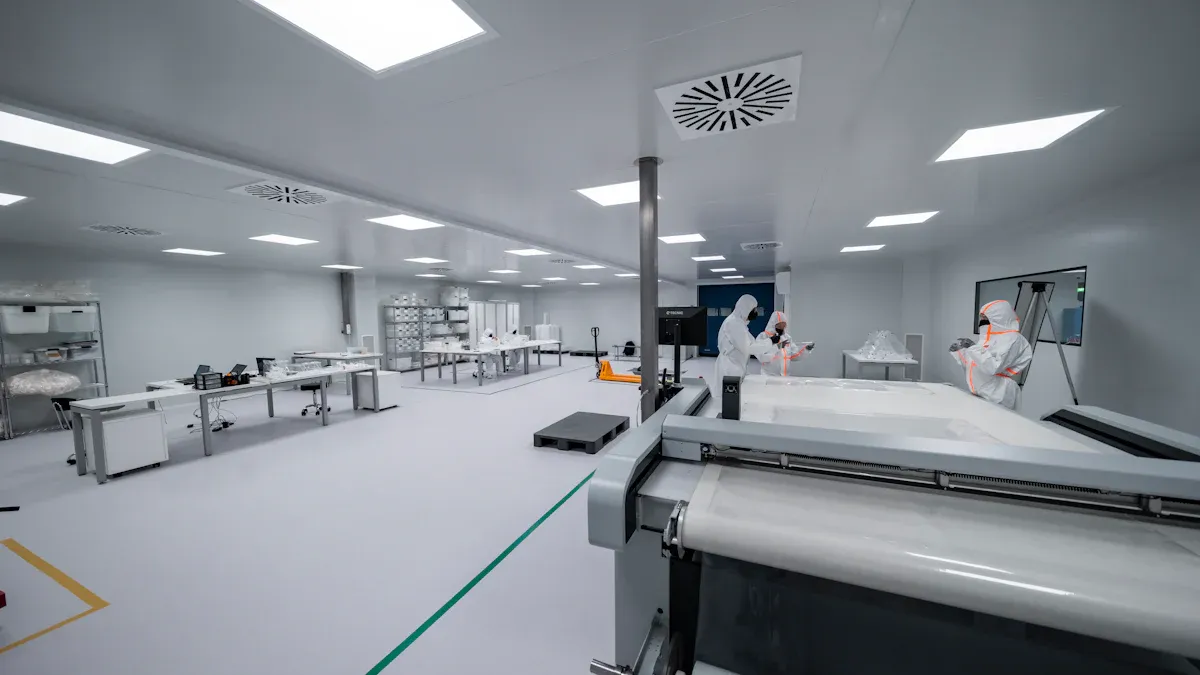
High-quality cleanroom mops are vital for effective contamination control. Contamination events are costly; Genzyme faced $300 million in lost revenue and a $175 million FDA fine. A reliablecleanroom cleaning mop prevents these financial impacts. Facilities need a durable cleanroom mop for sale that meets strict cleanroom protocols. This is crucial for cleanroom mops for medical use and cleanroom mops for healthcare.
Key Takeaways
- Good cleanroom mops use special materials. These materials stop tiny bits from spreading. They also clean very well.
- These mops can soak up a lot of liquid. They also do not break down from strong cleaners. This keeps cleanrooms safe.
- High-quality mops last a long time. They are easy to use. They also follow strict rules for cleanliness.
Material Composition and Design of Cleanroom Mops
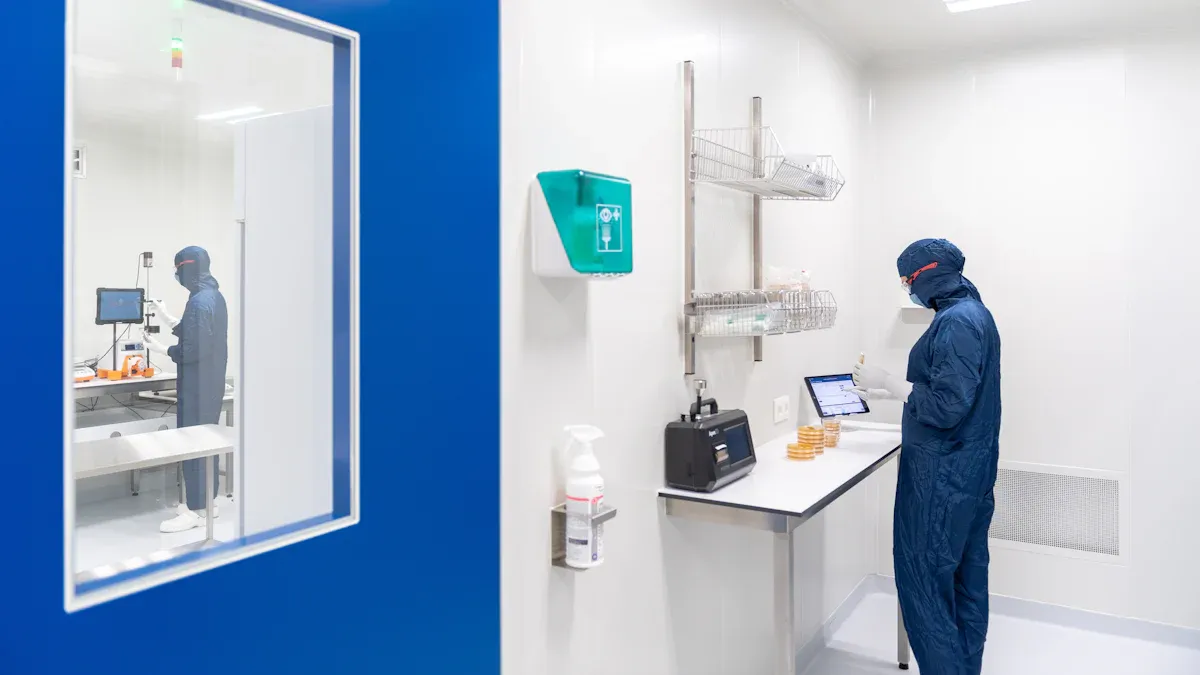
High-quality cleanroom mops feature specific material compositions and designs. These elements ensure effective contamination control and protect sensitive environments. Manufacturers carefully select materials and construction methods to meet stringent cleanroom standards.
Ultra-Low Particulate Shedding
Minimizing particulate shedding is a primary concern for cleanroom mops. To achieve this, manufacturers commonly use polyester fabrics that are woven or double-knitted. These materials offer high strength and release minimal particles, which is essential for preventing the introduction of contaminants into critical spaces.
Advanced Microfiber Technology
Advanced microfiber technologysignificantly enhances cleanroom mop performance. These specialized microfibers effectively remove 99.9% of particulate residue, even down to 0.1 micron in size. This mechanical removal capability helps facilities comply with strict regulations by minimizing contamination. Furthermore, the exceptional absorption of these microfibers allows for up to 47% more surface coverage per mop compared to competitors, improving productivity. Recent advancements also include antimicrobial Microfiber Cloths, particularly beneficial for healthcare settings, as they reduce cross-contamination and support high hygiene standards. Long microfiber technology also improves cleaning efficiency by reaching into small cracks and crevices, capturing dust, bacteria, and allergens more effectively.
Sterile and Autoclavable Options
For the most critical cleanroom environments, sterile and autoclavable options are indispensable. These mops undergo rigorous sterilization processes, ensuring they introduce no biological contaminants. Autoclavable designs allow for repeated sterilization, making them suitable for environments requiring the highest level of microbial control.
Non-Abrasive Construction
Cleanroom mops feature non-abrasive construction to prevent damage to delicate surfaces and equipment. Cleaning tools and materials used in these environments must be soft and gentle. This design ensures that the mops effectively clean without scratching or harming sensitive instruments or finishes.
Heat-Sealed Edges
Heat-sealed edges are a crucial design feature for high-quality cleanroom mops. This construction method prevents fraying and fiber release, which could otherwise introduce unwanted particles into the cleanroom. Heat-sealing ensures the mop maintains its integrity and contributes to a "dust-free" environment.
Optimized Absorption and Chemical Compatibility of Cleanroom Mops
High-quality cleanroom mops must demonstrate superior absorption and chemical compatibility. These features ensure effective cleaning and decontamination without compromising the integrity of critical environments. Mops must efficiently manage liquids and withstand harsh cleaning agents.
High Liquid Absorption Capacity
Cleanroom mops require a high liquid absorption capacity for efficient cleaning. Sorption capacity is a crucial indicator for critical cleaning applications. It measures a wiper's ability to absorb and retain liquids or particles before saturation. A higher capacity allows the mop to handle more material, which increases cleaning efficiency. Absorbency and fluid retention are also essential metrics, showing how well a material soaks up and holds fluids.
Chemical Resistance to Disinfectants
Cleanroom environments frequently use strong disinfectants and cleaning agents. Therefore, mops must exhibit robust chemical resistance. This resistance prevents material degradation, ensuring the mop maintains its structural integrity and cleaning effectiveness over time. Chemical compatibility also prevents the mop from leaching unwanted substances into the cleanroom.
Efficient Solution Release
Efficient solution release significantly contributes to effective surface decontamination. Systems like COUNTERFOG® demonstrate this by reducing application time. They use nanometric droplets and pressurized fog to rapidly fill a room, allowing for appreciable disinfection in a single pass. This method extends reach and minimizes biocide use and liquid waste. Applying disinfectants as a fog or gas offers advantages over liquids, sprays, and wipes for large-scale decontamination. These methods disperse easily, penetrate surfaces effectively, and require less user training. This enhances overall decontamination efficiency and effectiveness, achieving a 6-log reduction or higher, operating four times faster, and providing full coverage.
Fluid Retention Capabilities
Strong fluid retention capabilities are vital for preventing cross-contamination. Filtration systems with water removal features are essential to prevent fluid cross-contamination. In healthcare, medical molded pulp products with high water retention effectively manage human waste. This capability significantly reduces infection risks and cross-contamination in patient care.
Ergonomics and User-Friendliness for Cleanroom Mops
Ergonomic design significantly enhances the user-friendliness of high-quality cleanroom mops. These features reduce operator fatigue and improve cleaning efficiency in critical environments. Manufacturers prioritize designs that support comfortable and effective use.
Lightweight and Balanced Construction
Lightweight and balanced construction minimizes strain on operators.
Lightweight hardware ensures tasks are done efficiently with little to no strain. By incorporating these ergonomic features, Contec’s mopping systems help ensure that cleaning staff can perform their duties effectively and comfortably. An ultra-lightweight telescoping handle and extensions reduce operator fatigue and cleaning time for high spaces. This design allows cleaning staff to perform duties effectively and comfortably.
Easy Maneuverability
Maneuverability is crucial for efficient cleaning, especially in confined cleanroom spaces.
- The 'Easy Curve Mop' enhances maneuverability through its lightweight design and curved mop surface. This allows for maximum cleaning speed.
- The 'Vertiklean Mop Systems' feature a lightweight, easy-to-maneuver swivel frame. This provides a full range of motion, making it ideal for reaching awkward corners and ceilings.
- The 'Buckets for Mopping Systems' contribute to overall system maneuverability in smaller cleanrooms. They have a compact, lightweight design and quiet, heavy-duty wheels with locking brakes.
Secure Attachment Mechanisms
Secure attachment mechanisms are vital for preventing mop head detachment during cleaning. Metal swivel clip-on heads provide a stable connection between the handle and the mop head. This minimizes the risk of slippage or instability. This ensures consistent performance and reliable results. Mop handles with a 'with-frame' design securely hold mop heads in place. This ensures a tight and stable connection during cleaning. This reduces the risk of accidents and improves overall cleaning efficiency.
Adjustable and Telescoping Handles
Adjustable and telescoping handles improve the ergonomic suitability of Cleanroom Mops for different users.
- An adjustable mop handle, ranging from 34 to 62 inches, allows operators to extend it for improved working posture. This reduces fatigue and increases reach.
- A wringer designed with an ergonomically positioned lever and a non-slip grip helps to reduce muscle fatigue during use.
- Adjustable lengths accommodate users of different heights. This promotes proper posture and reduces back strain. Adjustable handles offer greater versatility than fixed-length ones. This allows custodians to access tight or hard-to-reach spaces with ease. They also ensure proper posture for all team members.
Durability and Longevity of Cleanroom Mops
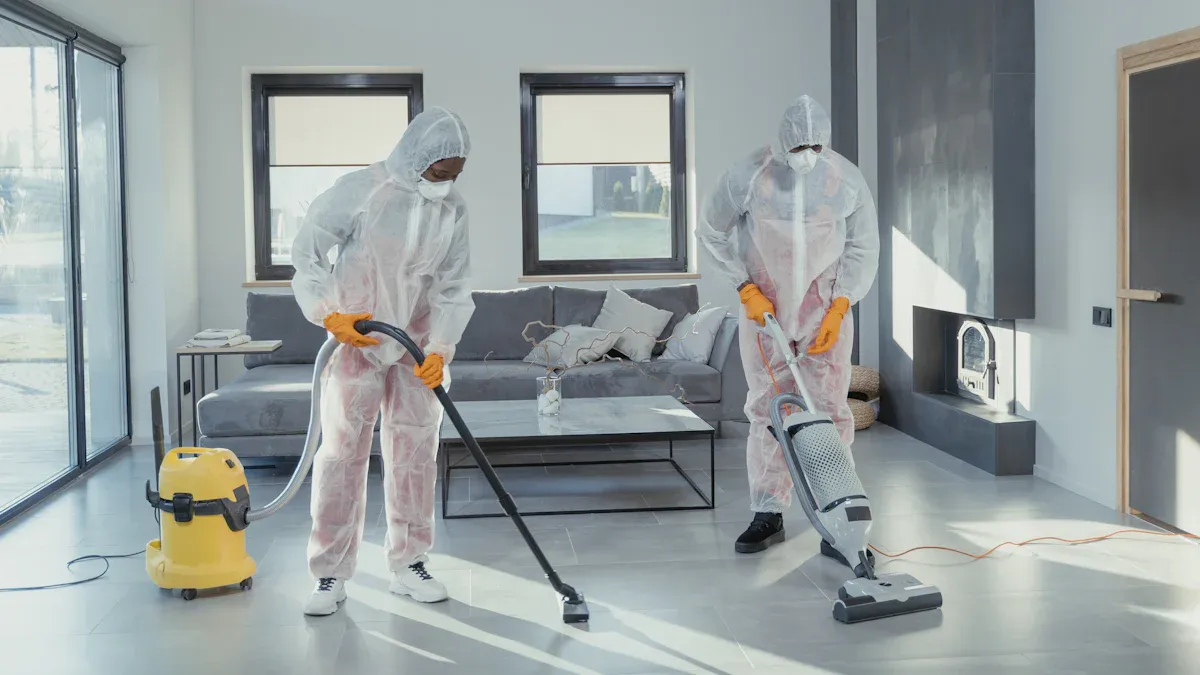
High-quality cleanroom mops offer exceptional durability and longevity. This ensures they maintain performance through numerous cleaning cycles. Their robust construction and thoughtful design contribute significantly to their extended service life.
Robust Construction Materials
Manufacturers select robust materials for cleanroom mops to ensure their durability. Mop frames and handles often feature stainless steel, carbon fiber, or anodized aluminum. These materials resist corrosion and provide structural integrity. Mop heads frequently use hydrophilic polyurethane foam laminated to polyester microfiber fabric. This combination offers excellent chemical and abrasion resistance, crucial for demanding cleanroom environments.
Resistance to Wear and Tear
Cleanroom mops demonstrate strong resistance to wear and tear. Their intelligent design allows them to endure harsh chemicals and disinfectants without damage. This resilience means they maintain effectiveness even after repeated exposure to cleaning agents. Unlike cotton mops, materials like polyester or microfiber effectively pick up dirt and particles without leaving lint, preserving their structure over time.
Extended Lifespan
High-quality cleanroom mops offer an extended lifespan due to their material and design. These mops can withstand a minimum of 100 laundry cycles, especially autoclavable microfiber options. Factors like the number of cleaning cycles, the roughness of flooring, and the type of contaminant can influence a mop's lifespan. Despite a higher initial cost, their durability leads to long-term savings by reducing replacement frequency and labor.
Validated Reusable Options
Reusable cleanroom mops undergo rigorous validation processes to confirm their performance. Monitoring quality over time helps estimate a mop's lifecycle and associated costs. Initial testing assesses particle and fiber shedding, along with the mop's ability to apply disinfectants effectively. Regulatory bodies like ISO, GMP, and FDA set standards for cleaning mops. Reusable mops must undergo decontamination through a cleanroom laundry process that adheres to industry regulations, requiring validated equipment and consistent documentation.
Ease of Maintenance and Disposal for Cleanroom Mops
High-quality cleanroom mops offer straightforward maintenance and disposal options. These features ensure operational efficiency and uphold stringent contamination control standards. Facilities must choose systems that align with their specific cleanroom protocols.
Launderability and Reusability
Many cleanroom mops are designed for repeated use. Manufacturers provide specific instructions for laundering these mops. Adhering to these guidelines preserves their low particle-shedding characteristics. A fully validated laundering process is crucial for reusable mops. Professional cleanroom laundry services ensure decontamination, particle removal, and compliance. Mop heads must demonstrate durability to withstand repeated laundering cycles. For instance, reusable microfiber mops require proper laundering, including controlled heat and no chlorine bleach, to maintain effectiveness. Best practices for maintaining mops include using pure water and employing a 3-bucket mopping system. This system prevents spreading contaminants and improves efficiency.
Single-Use Options for Critical Areas
Single-use mops are often preferred in highly critical cleanroom environments. These include Grade A/B cleanroom environments. Their pre-validated cleanliness and sterility reduce contamination risks. This consistent performance is vital for sensitive areas. For aseptic zones, particularly those classified as Grade A and B under EU GMP Annex 1, the sterility of the floor mop at the point of use is a mandatory requirement. This further emphasizes the preference for single-use options in these areas.
Compatibility with Cleanroom Laundry Protocols
Cleanroom mops must be compatible with specialized laundry protocols. Following manufacturer's instructions is essential for laundering these mops. Many require special processes, such as cleanroom laundry services. These services maintain the mops' low particle-shedding properties. This ensures the mops continue to meet strict cleanroom standards after washing.
Double-Bagged Laundering Processes
Double-bagged laundering processes are a critical practice for cleanroom environments. This method prevents contamination during the transport of soiled mops to the laundry facility. Personnel place used mops into one bag, then seal and place that bag into a second, outer bag. This two-layer containment minimizes the risk of particulate or microbial release into the cleanroom or surrounding areas. It protects the integrity of the clean environment.
Certification and Compliance for Cleanroom Mops
High-quality cleanroom mops must meet strict certification and compliance standards. These standards ensure the mops perform effectively and maintain the integrity of controlled environments. Manufacturers provide documentation to confirm adherence to these critical regulations.
ISO Cleanroom Class Compatibility
Mops must align with specific ISO cleanroom classifications.
- ISO 14644-1 (Classification of Air Cleanliness by Particle Concentration) classifies cleanrooms. Mop systems must be low-shedding. They must also effectively remove surface contamination.
- ISO 14644-2 (Monitoring to Provide Evidence of Cleanroom Performance) outlines monitoring requirements. Effective mopping protocols maintain cleanliness limits.
- ISO 14644-18 (Assessment of Suitability for Use of Consumables) directly applies to mops. It details how to assess cleanliness attributes and functional performance.
- EU GMP Annex 1 (Manufacture of Sterile Medicinal Products) requires a risk-based approach. Mop materials for aseptic zones (Grade A and B) must be sterile.
- USP 797 (Pharmaceutical Compounding—Sterile Preparations) sets requirements for sterile compounding. Mops must be non-shedding and low-lint.
- USP 800 (Hazardous Drugs—Handling in Healthcare Settings) focuses on protecting personnel. It mandates a four-step cleaning process using wetted wipes.
Industry Standard Adherence
Reputable manufacturers adhere to specific industry standards for mop evaluation. These standards ensure consistent quality and performance.
- IEST-RP-CC004: This standard evaluates wiping materials used in cleanrooms.
- IEST-RP-CC054: This standard specifically evaluates mops used in cleanrooms and other controlled environments. Adherence to these guidelines confirms a mop's suitability for critical applications.
Lot Traceability
Lot traceability is crucial for cleanroom mops in regulated industries. It is essential for maintaining regulatory compliance and ensuring effective contamination control. Reputable suppliers provide this documentation as a standard practice. This quality assurance guarantees each batch has undergone testing and meets defined standards. It also provides crucial documentation like Certificates of Conformance and test data. This helps users comply with quality regulations.
High-quality cleanroom mops integrate advanced materials, superior absorption, and ergonomic designs. They offer exceptional durability, easy maintenance, and meet stringent compliance standards. Selecting the appropriate mop for specific cleanroom environments is crucial. This strategic investment ensures effective contamination control and delivers significant long-term operational benefits.
FAQ
What defines a high-quality cleanroom mop?
High-quality cleanroom mops feature ultra-low particulate shedding materials, advanced microfiber technology, and robust construction. They also offer high absorption and chemical resistance.
Why are sterile options crucial for cleanroom mops?
Sterile cleanroom mops prevent biological contamination in critical environments. They undergo rigorous sterilization processes, ensuring no microbial introduction. This is essential for aseptic zones.
How does chemical resistance benefit cleanroom mops?
Chemical resistance ensures mops withstand harsh disinfectants without degrading. This maintains their structural integrity and cleaning effectiveness. It also prevents the mop from leaching substances.
