

 Send Email
 whatsapp


Cleanroom Mop vs. Regular Microfiber Flat Mop: Key Differences and Which One to Choose
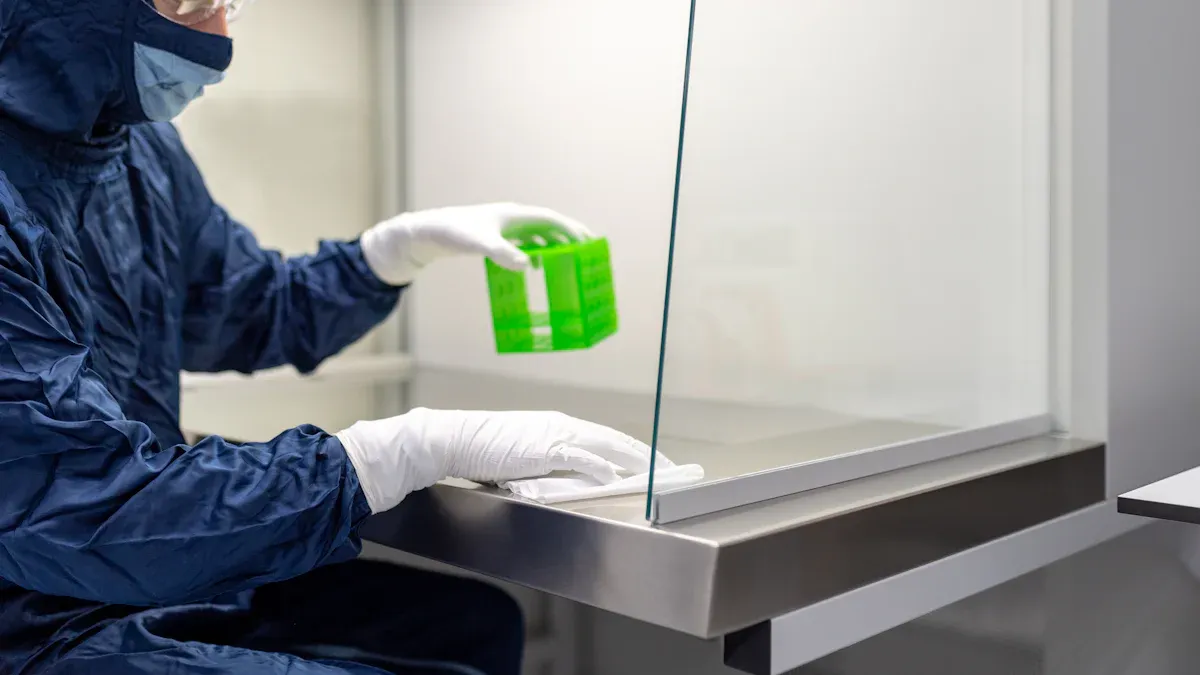
cleanroom mop technology supports contamination control in sensitive environments. Laboratories and manufacturing facilities rely oncleanroom mopsto maintain strict hygiene standards. In contrast, homes and offices benefit from regular Microfiber Flat Mops.Medical cleanroom mops and floor cleanroom mops address specialized cleaning needs where precision and safety matter most.
Key Takeaways
- Cleanroom mops use sterile, low-linting materials and strict protocols to prevent contamination in sensitive environments like labs and manufacturing facilities.
- Regular microfiber flat mops are designed for everyday cleaning in homes and offices, offering reusable pads and easy maintenance but lacking the sterility needed for cleanrooms.
- Choose a cleanroom mop for controlled areas requiring high hygiene standards, and use regular microfiber flat mops for general cleaning to balance cost, durability, and cleaning needs.
Cleanroom Mop: Definition and Features
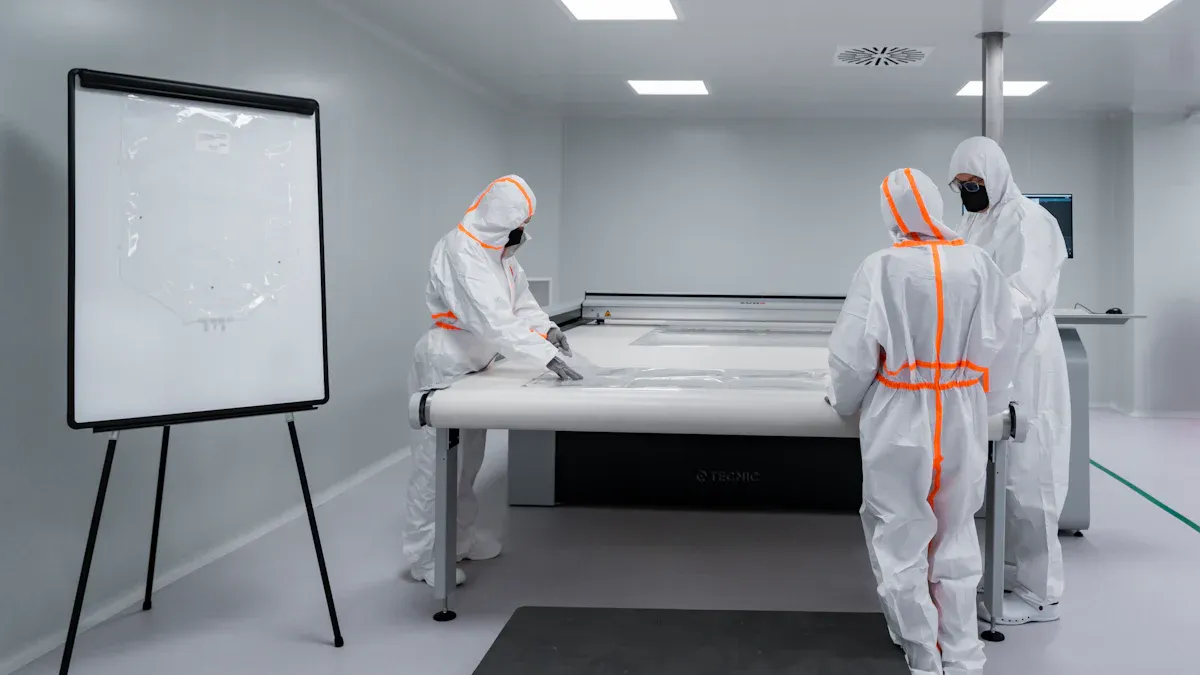
What Is a Cleanroom Mop?
A Cleanroom Mop is a specialized cleaning tool designed for environments where contamination control is critical. These mops consist of a handle, a mop frame, and a disposable mop cover pad. Manufacturers use materials such as microfiber, knitted polyester, and nonwoven fabrics to ensure low particle shedding. The mop covers are often sterile, made from 100% knit polyester, and sometimes pre-saturated with disinfectants. Mop hardware, including handles and frames, is constructed from anodized aluminum, stainless steel, or static dissipative plastic. This construction ensures durability and compatibility with sterilization processes.
Intended Use in Controlled Environments
Cleanroom Mops serve in environments that demand strict hygiene, such as pharmaceutical labs, semiconductor manufacturing, and biotechnology facilities. These spaces require cleaning tools that meet ISO 14644 standards and Good Manufacturing Practice (GMP) guidelines. The mops must minimize particle shedding and prevent electrostatic discharge, which can damage sensitive equipment. Facilities often select mop head size and construction based on the specific cleanroom floor type and cleaning area.
Unique Features for Contamination Control
- Low-linting, heat-sealed microfiber or knitted polyester mop heads reduce particle generation.
- Static dissipative materials prevent electrostatic discharge in ESD-sensitive areas.
- Double-bagged laundering and gamma irradiation maintain sterility.
- Ergonomic and smooth-surfaced hardware minimizes contamination traps.
- Disposable, sterile mop covers support aseptic cleaning protocols.
- Integrated cleaning systems, such as touchless mop bucket carts, further reduce contamination risks.
Note: Each Cleanroom Mop undergoes rigorous quality control, including lot-traceability and inspection before packaging, to ensure compliance with cleanroom standards.
Regular Microfiber Flat Mop: Overview
What Is a Regular Microfiber Flat Mop?
A regular microfiber flat mop serves as a versatile cleaning tool for everyday environments. Manufacturers typically use microfiber and polyester to construct these mops. The flat design features a rectangular pad that attaches to a lightweight frame and handle. Unlike cleanroom mops, regular microfiber flat mops do not require strict contamination control or sterilization. The following table highlights the material differences between regular microfiber flat mops and cleanroom mops:
| Mop Type | Common Materials | Key Characteristics and Differences |
|---|---|---|
| Regular Microfiber Flat Mops | Microfiber, Polyester | Absorbent, effective for general cleaning, no strict contamination control requirements. |
| Cleanroom Mops | Low-linting microfiber, knitted polyester, nonwoven fabrics, micropolyester | Designed to minimize particle shedding, compatible with disinfectants, often heat-sealed and gamma irradiated for sterility. |
Common Uses in General Cleaning
Regular microfiber flat mops excel in both residential and commercial cleaning. They perform best on smooth surfaces such as tile, hardwood, and laminate. Many healthcare facilities and nursing homes prefer these mops for their ability to remove dust, dirt, and bacteria efficiently. Microfiber flat mops require less water and cleaning solution, which supports sustainability and reduces drying time. Their quick-drying pads help prevent mold and bacteria growth. These mops are ideal for routine maintenance but may not suit heavy-duty or industrial cleaning tasks.
Typical Features and Benefits
- Microfiber pads attract and hold dust, dirt, and hair with high efficiency.
- Pads are machine washable and reusable, offering eco-friendly and cost-effective cleaning.
- Ergonomic design reduces physical effort and strain during use.
- Suitable for various floor types, including hardwood, tile, and laminate, without causing damage.
- Flat mop heads maneuver easily under furniture and into tight spaces.
- Many models feature onboard chemical dispensing, eliminating the need for buckets and reducing spills.
- Microfiber technology reduces water and chemical usage, supporting green cleaning initiatives.
- Reusable pads help lower long-term cleaning costs and minimize environmental impact.
Tip: Microfiber flat mops remove up to 95% of microbes from surfaces, outperforming traditional cotton string mops and enhancing hygiene in everyday cleaning routines.
Key Differences Between Cleanroom Mop and Regular Microfiber Flat Mop

Material and Construction
Manufacturers design cleanroom mops with specialized fabrics such as woven or double-knitted polyester, microfiber, and nonwoven materials. These fabrics minimize particle shedding and maximize particle retention. Cleanroom mop heads often feature heat-sealed edges and double-bagged laundering, which further reduce the risk of contamination. The hardware, including handles and frames, uses non-shedding materials like anodized aluminum or static dissipative plastics. This construction ensures compatibility with sterilization and prevents lint or residue release.
In contrast, regular microfiber flat mops use standard microfiber and polyester blends. These materials do not offer the same level of particle retention or low-linting performance. Regular mop frames and handles may use plastic or lightweight metals, but they lack the stringent requirements found in cleanroom mop systems. As a result, regular microfiber flat mops tend to shed more particles and fibers during use.
Cleaning Performance
Cleanroom mops deliver superior cleaning performance in environments where contamination control is critical. Sterile mop heads undergo gamma irradiation and individual packaging to ensure they remain uncontaminated until use. This process, combined with lot traceability and inspection, supports effective removal of bacteria and particulate matter. Cleanroom mops prevent the introduction of contaminants from the mop itself, which is essential in sensitive settings.
Regular microfiber flat mops perform well in general cleaning tasks. They efficiently remove dust, dirt, and microbes from surfaces in homes and offices. However, they do not provide the same level of sterility or assurance against contamination as cleanroom mops. Their cleaning performance suits everyday environments but falls short in controlled or critical spaces.
Suitability for Different Environments
The choice between a cleanroom mop and a regular microfiber flat mop depends on the environment. Cleanroom mops are essential in controlled settings such as pharmaceutical labs, semiconductor manufacturing, and biotechnology facilities. These environments require strict adherence to ISO cleanroom classifications and demand materials that minimize particle shedding.
| Cleanroom Classification | Floor Surface Type | Recommended Mop Type and Features |
|---|---|---|
| ISO 1-5 (most critical) | Smooth floors | Low-linting, heat-sealed microfiber mops |
| ISO 1-5 | Rough floors | Looped mops with textured yarns |
| ISO 7-8 (less critical) | Smooth floors | Microfiber or knitted polyester mops |
| All ISO Classes | ESD-safe areas | Static dissipative materials for ESD protection |
Regular microfiber flat mops are best for non-critical areas such as homes, offices, and commercial spaces. They do not meet the requirements for controlled cleanroom environments but offer effective cleaning for everyday use.
Contamination Control Capabilities
- Cleanroom mops use low-linting, non-shedding materials like microfiber, knitted polyester, and nonwoven fabrics to reduce particle generation.
- Flat head designs improve surface contact, while ultrasonically welded edges and compatibility with disinfectants maintain low particle counts.
- Cleanroom mops meet stringent ISO classifications by capturing and removing particles without disturbing airflow or introducing contaminants.
- Regular microfiber flat mops lack these specialized features, making them less suitable for critical contamination control.
- Additional practices, such as pre-wetting mops, using double-bucket systems, and laundering with cleanroom protocols, further enhance contamination control in cleanroom environments.
Durability and Maintenance
Proper maintenance extends the life and effectiveness of both mop types, but cleanroom mops require more rigorous protocols.
- Cleanroom mops need pre-wetting with disinfectant, double- or triple-bucket systems to avoid cross-contamination, and specialized laundering services to maintain low particle shedding.
- Sterile mop heads are individually packaged and gamma irradiated, ensuring sterility until use.
- Cleaning personnel must receive thorough training on mop selection, use, and disposal.
- Regular rotation and correct mop head selection based on cleanroom classification and floor type are essential.
- These procedures enhance durability, cleaning efficacy, and contamination control.
Regular microfiber flat mops require less stringent maintenance. Users can machine wash and reuse the pads, but these mops do not need specialized laundering or packaging. Their maintenance is simpler, but they may not last as long or perform as effectively in critical environments.
Cost Considerations
| Aspect | Disposable (Cleanroom) Microfiber Mop Pads | Reusable Microfiber Flat Mops |
|---|---|---|
| Upfront Cost | Low initial cost | Higher initial investment |
| Replacement Frequency | Must be replaced after every use | Lasts 150 to 200 cleaning cycles |
| Total Cost of Ownership | Higher ongoing expenses | Better long-term value |
| Maintenance | Simple, no laundering required | Requires laundering and inspection |
| Waste Disposal Costs | Higher due to frequent disposal | Lower due to reuse |
| Suitability | Preferred for sensitive, controlled areas | More economical for frequent cleaning |
Cleanroom mops often incur higher ongoing costs due to frequent replacement and specialized packaging. These costs reflect the need for strict contamination control. Regular microfiber flat mops offer better long-term value for general cleaning, as they can be reused many times and require less expensive maintenance.
Cleanroom Mop vs. Regular Microfiber Flat Mop: Which Should You Choose?
Best Choice for Controlled Environments
Selecting the right mop for controlled environments such as pharmaceutical labs or semiconductor manufacturing requires careful evaluation. Cleanroom Mop systems stand out as the preferred choice due to their specialized design and strict contamination control features. These mops use sterile, lint-free, and non-shedding materials like 100% knit polyester or microfiber. Manufacturers gamma irradiate and individually package mop heads to maintain sterility until use. Mop hardware, including handles and frames, consists of autoclavable materials such as stainless steel or static dissipative plastic, supporting repeated sterilization and compliance with GMP standards.
A Cleanroom Mop system also offers ergonomic and modular designs, reducing operator strain and supporting standard operating procedures. Touchless mop trolleys and closed wringer systems further minimize contamination risks. Facilities benefit from mop heads that uniformly apply disinfectants and sporicides, ensuring effective residue removal and environmental monitoring. The table below summarizes the key criteria for mop selection in controlled environments:
| Criteria | Details |
|---|---|
| Material Compatibility | Low particle shedding materials; compatible with disinfectants |
| Mop Head Size & Design | Large heads for open spaces; small heads for confined areas; flat for edges; loop-ended for general cleaning |
| Mop Frame & Wringer | Lightweight, non-shedding materials; closed wringer systems |
| Cleanroom Classification | ISO 1-5: low-linting, heat-sealed microfiber; ISO 7-8: microfiber or knitted polyester |
| Surface Type | Smooth floors: microfiber; rough floors: looped mops |
| Disinfectant Compatibility | Resistant to degradation from a wide range of disinfectants |
Note: Using a regular microfiber flat mop in a cleanroom can introduce contaminants, compromise sterility, and increase the risk of ESD (electrostatic discharge) issues. Cleanroom Mop systems help facilities meet regulatory standards and maintain the integrity of critical environments.
Best Choice for General Cleaning
For everyday cleaning in homes, offices, or schools, a regular microfiber flat mop provides an efficient and cost-effective solution. These mops excel at trapping dust, dirt, and bacteria on a variety of floor types, including tile, hardwood, and laminate. Their lightweight design and reusable pads make them easy to use and maintain. Most models feature built-in wringing mechanisms and quick-drying properties, which help prevent mold and bacteria growth.
When choosing a mop for general cleaning, users should consider several factors:
- Floor type: Match the mop to the surface for optimal results.
- Frequency of use: Lightweight mops suit daily cleaning; robust options work better for heavy-duty tasks.
- Ease of maintenance: Select mops with machine-washable pads.
- Versatility: Choose mops that handle multiple cleaning tasks.
- Eco-friendliness: Reusable pads and reduced chemical use support sustainability.
- Budget: Balance initial cost with durability and cleaning performance.
Microfiber flat mops offer high absorbency, trapping up to eight times their weight in fluid. Their electrostatic properties attract and hold particles, making them a superior choice for routine cleaning. However, they do not provide the sterility or contamination control required in cleanrooms.
Quick Decision Checklist
The following checklist helps users quickly determine which mop system best fits their needs:
| Decision Point / Feature | Cleanroom Mop Characteristics | Regular Microfiber Flat Mop Characteristics / Considerations |
|---|---|---|
| Material Type | Sterile, lint-free, non-shedding; gamma-irradiated, individually packaged | May not be sterile; microfiber quality varies |
| Mop Cover Types | Sterile or non-sterile; dry or prewetted | Typically non-sterile; reusable or disposable |
| Mop Handle and Hardware | Autoclavable, ergonomic, modular; touchless clip systems | Handles vary; not designed for sterile environments |
| Contamination Control | Critical; designed for aseptic environments; touchless mopping systems | Less stringent; focus on cleaning efficiency and durability |
| Cleaning System Complexity | Specialized carts/trolleys with dosing and touchless cover replacement | Simpler systems; manual mop wetting and replacement |
| Chemical Compatibility | Compatible with a wide range of disinfectants; pre-saturated covers available | Depends on material; may require manual saturation |
| Durability and Reusability | Disposable sterile covers; handles withstand repeated sterilization | High-quality mops can be reused many times |
| Application Environment | Designed for cGMP, sterile cleanrooms, isolators, compounding pharmacies | General cleaning; not suitable for aseptic or sterile areas |
| Cleaning Efficacy | High efficiency due to controlled wetting and patented scrubbing surfaces | Effective for general cleaning; less controlled wetting |
Tip: Always match the mop system to the environment. Using a Cleanroom Mop in a critical area prevents contamination and supports compliance, while a regular microfiber flat mop delivers excellent results for everyday cleaning tasks.
Cleanroom Mop systems excel in controlled environments, while regular microfiber flat mops suit everyday cleaning. Users should assess cleaning needs by considering mop head pre-wetting, ergonomic handle design, and sustainability factors such as waste generation and laundering requirements. Proper training and mop selection help maintain hygiene and reduce environmental impact.
FAQ
What makes a cleanroom mop different from a regular microfiber flat mop?
A cleanroom mop uses sterile, low-linting materials. It meets strict contamination control standards. Regular microfiber flat mops focus on general cleaning and do not meet cleanroom requirements.
Can a regular microfiber flat mop be used in a cleanroom?
Facilities should not use regular microfiber flat mops in cleanrooms. These mops may introduce contaminants and compromise sterility. Cleanroom mops remain the only safe choice for controlled environments.
How often should cleanroom mop heads be replaced?
Cleanroom mop heads require replacement after each use. This practice ensures sterility and prevents cross-contamination. Regular microfiber flat mop pads can be reused after proper laundering.
