

 Send Email
 whatsapp


How Disposable Cubicle Curtains Are Changing Hospital Infection Prevention in 2025

Hospitals now rely on the Disposable Cubicle Curtain to keep patients safer and rooms cleaner. Staff notice fewer infections and faster room changes. Over a year, only 3.12% of weekly samples test positive for harmful germs, and quick action keeps them under control. Facilities also save thousands of dollars and reduce labor.
Key Takeaways
- Disposable cubicle curtains act as a strong barrier that stops germs from spreading between patients and staff, reducing infection risks significantly.
- These curtains use special antimicrobial fabrics that keep them cleaner longer and kill harmful bacteria and viruses quickly, helping hospitals maintain safer environments.
- Hospitals save time and money by replacing curtains easily without laundering, while also supporting eco-friendly practices through recyclable materials and less medical waste.
How Disposable Cubicle Curtain Prevents Cross-Infection
Physical Barrier and Pathogen Containment
A Disposable Cubicle Curtain acts as a strong shield between patients and staff. This barrier helps stop germs from moving from one person to another. Hospitals see that when they use single-use barriers, like these curtains, they can block many dangerous germs. For example, studies show that single-use barriers prevent the growth of tough bacteria such as MRSA and VRE for up to 24 hours. These barriers also stop germs from saliva, urine, and other body fluids from spreading.
Healthcare workers, patients, and visitors touch curtains often. If the curtain is not replaced, it can become a home for bacteria. Research found that 92% of new curtains get contaminated within a week. Disposable Cubicle Curtains help break this cycle by giving each patient a fresh, clean barrier.
Here is a quick look at how Disposable curtains compare to traditional ones:
| Aspect | Disposable Cubicle Curtains | Traditional (Reusable) Curtains |
|---|---|---|
| Infection Risk | Lower due to single-use and antimicrobial properties | Higher risk; bacteria can build up between washes |
| Maintenance | No laundering needed; quick replacement | Needs regular washing; takes time and effort |
| Cross-Contamination | Reduced risk; fresh curtain for each patient | Higher risk; germs can stay between washes |
| Cost | Saves money by lowering infection rates and cleaning costs | Ongoing laundry and possible infection costs |
| Durability | Made for single use; always clean | Reusable but can hold germs if not cleaned well |
| Compliance | Easy to meet hygiene rules | Depends on how well and often they are washed |
Antimicrobial Fabric Technology
The fabric in a Disposable Cubicle Curtain does more than just block germs. It fights them. Makers use special treatments, like silver ion or Microban® technology, to stop bacteria, mold, and mildew from growing. These treatments work all day, every day, and do not wear off with cleaning. The antimicrobial fabric keeps the curtain up to 99% cleaner than untreated ones.
- Antimicrobial curtains take much longer to get contaminated than regular ones—about 27 times longer.
- Even after a month, these curtains show very low levels of bacteria, including tough bugs like MRSA and Pseudomonas.
- The technology in the fabric keeps working, even if the curtain is exposed to strong cleaning chemicals.
Scientific tests show that these curtains can kill over 99.99% of viruses like H1N1 within five minutes. The fabric also stops the growth of bacteria and fungi, keeping the hospital environment safer for everyone.
Hospitals that use antimicrobial curtains see fewer infections and cleaner rooms. The Esun Antimicrobial Printed Colours Disposable Hospital Curtains use these advanced technologies to keep patients and staff protected.
Frequent Replacement and Hygiene Assurance
Disposable Cubicle Curtains are easy to replace. Staff can swap them out quickly, which means less time spent cleaning and more time caring for patients. Hospitals follow strict rules for replacing curtains, especially in high-risk areas like intensive care units and operating rooms.
- In intensive care units, staff replace curtains every month or after each patient leaves.
- In emergency rooms, curtains get changed every 2 to 4 weeks or after high-risk exposure.
- In general wards, replacement happens every 1 to 3 months.
- Curtains come with labels showing when they were installed and when to replace them.
This frequent replacement stops germs from building up. It also helps hospitals follow CDC and WHO guidelines for infection control. Disposable curtains do not need to be washed, so there is no risk of germs surviving a wash cycle. Staff can handle and install them with little training, making the process smooth and safe.
Quick and regular replacement of Disposable Cubicle Curtains keeps infection risks low and helps hospitals run more smoothly.
Effectiveness, Compliance, and Sustainability of Disposable Cubicle Curtain
Evidence of Reduced Infection Rates
Hospitals see real results when they use Disposable Cubicle Curtain. Infection rates drop because these curtains stop germs from spreading between patients and staff. Many hospitals report that the mean bacterial count on these curtains stays below 1 colony forming unit (CFU), which is much lower than what is found on traditional cloth curtains. This low count means fewer chances for harmful bacteria to spread. Quick and easy replacement also helps keep rooms cleaner and safer for everyone.
Meeting Modern Healthcare Standards
Healthcare facilities must follow strict rules to keep patients safe. Disposable cubicle curtains help them meet these standards in several ways:
- Antimicrobial coatings reduce bacteria and virus spread.
- Flame-retardant materials meet fire safety rules like NFPA 701.
- Single-use design removes the need for laundering, lowering contamination risks.
- Easy installation and replacement support hygiene protocols.
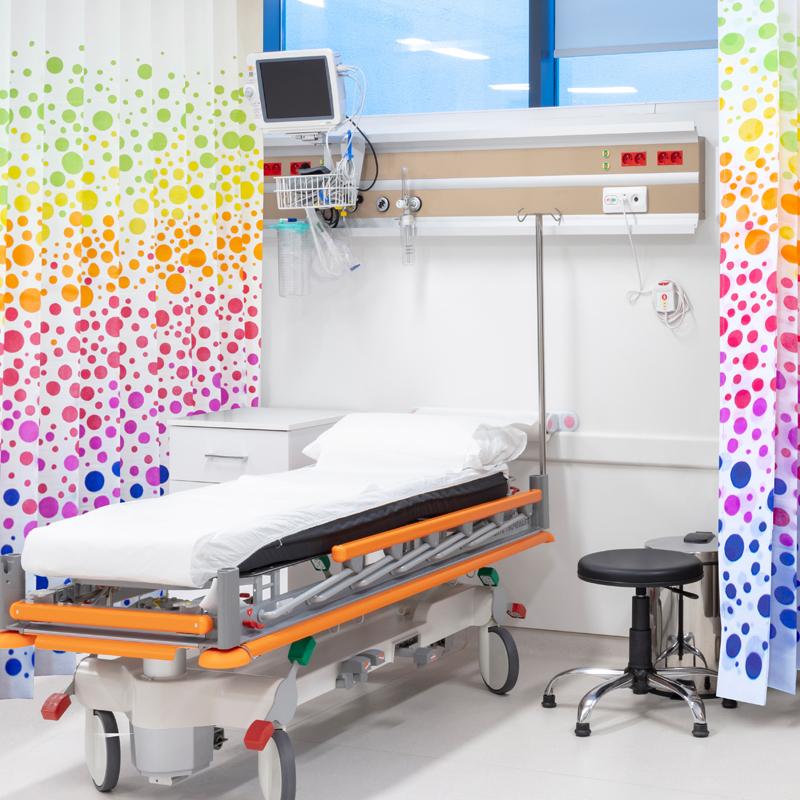
- Custom designs fit different hospital needs and branding.
- Curtains support patient privacy and help hospitals follow privacy laws.
These features make Disposable Cubicle Curtain a smart choice for busy hospitals, especially in emergency rooms and intensive care units.
Environmental Impact and Recyclability
Sustainability matters in healthcare. Many disposable curtains use recyclable or biodegradable materials, which helps reduce landfill waste. Hospitals save about $20,000 each year and nearly 67 hours of staff time by switching to disposable options. The table below shows how these curtains compare to traditional ones:
| Sustainability Metric | Disposable Cubicle Curtains | Traditional Cloth Curtains |
|---|---|---|
| Laundering Cost | Eliminated ($0) | Significant cost ($379.05) |
| Annual Cost Savings | Approximately $20,000 saved | Not applicable |
| Time to Replace Curtains | About 0.5 hours per replacement | About 26.25 hours per replacement |
| Annual Time Saved | Nearly 67 hours saved annually | Not applicable |
| Mean Bacterial Count | Less than 1 CFU | Significantly higher bacterial counts |
Hospitals also use life cycle assessments to check the environmental impact of these curtains. These assessments help them choose materials and manage waste better, leading to about 20% lower medical waste costs. New eco-friendly materials and recycling programs make Disposable Cubicle Curtain a greener choice for modern healthcare.
Disposable Cubicle Curtain solutions help hospitals stay safer and greener. Hospitals now swap out curtains quickly, track hygiene with smart apps, and keep every patient protected.
- Hospitals see fewer infections and easier compliance.
- Eco-friendly materials and recycling support sustainability.
- Market trends show growing adoption and innovation.
FAQ
How often should hospitals replace disposable cubicle curtains?
Staff usually change curtains after each patient or every few weeks. This keeps rooms clean and helps stop germs from spreading.
Tip: Always check the curtain label for the next replacement date!
Are Esun disposable hospital curtains safe for the environment?
Yes! Esun curtains use 100% recyclable materials. Hospitals can dispose of them responsibly and support eco-friendly practices.
Can hospitals customize the look of Esun disposable curtains?
Absolutely. Esun offers many colors and patterns. Hospitals can even add their own designs to match branding or create a cheerful space.
