

 Send Email
 whatsapp


How to Maximize Cleaning Efficiency with Cellulose Sponge Cloths

Cellulose Sponge Cloths make cleaning faster and easier. Their absorbent design handles spills in seconds, while their durable material lasts longer than traditional sponges. This reduces waste and saves time. These versatile cloths work for all kinds of cleaning tasks, helping households stay efficient and eco-friendly. Switching to them supports sustainability and minimizes waste.
Key Takeaways
- Cellulose sponge cloths soak up liquids fast, great for spills.
- They last long and replace 15 paper towel rolls, saving cash.
- These cloths help the planet since they break down and compost.
Key Benefits of Using Cellulose Sponge Cloths
Superior Absorbency for Quick Cleaning
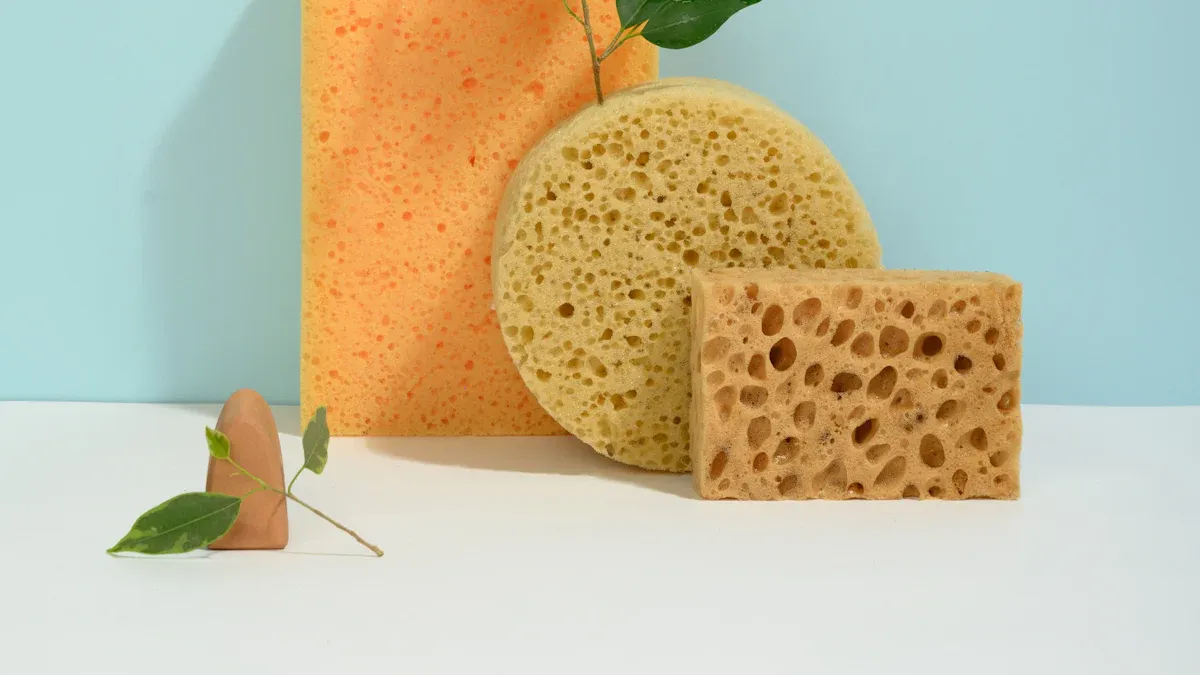
Cellulose sponge cloths excel at absorbing liquids quickly, making them perfect for cleaning up spills or wiping surfaces. Their natural wood pulp composition allows them to soak up water and other liquids efficiently, saving time during cleaning routines. Whether it's a kitchen counter or a dining table, these cloths handle messes with ease.
Did you know? Cellulose sponge cloths are highly absorbent and biodegradable, making them a favorite among eco-conscious households. Their ability to absorb liquids faster than synthetic options ensures a cleaner space in less time.
Durable and Long-Lasting Performance
These cloths are built to last. Unlike disposable paper towels, cellulose sponge cloths can be reused multiple times without losing their effectiveness. They maintain their structure even after repeated use, reducing waste and saving money. In fact, one cellulose sponge cloth can replace up to 15 rolls of paper towels.
Their durability also shines in their cleaning efficiency. Studies show that they reduce bacteria by up to 98%, making them a reliable choice for maintaining hygiene. Whether scrubbing stubborn stains or wiping delicate surfaces, these cloths deliver consistent performance.
Eco-Friendly and Biodegradable Features
Cellulose sponge cloths are a sustainable choice for cleaning. Made from natural fibers, they decompose faster than synthetic materials, minimizing environmental impact. Their chemical-free composition ensures they are safe for both the planet and your skin.
| Property | Description |
|---|---|
| Biodegradability | Completely biodegradable and can be composted at the end of its life cycle. |
| Chemical Composition | Made without glues or chemical adhesives, enhancing eco-friendliness. |
| Environmental Impact | Considered one of the best zero-waste sponges available. |
Switching to cellulose sponge cloths supports a greener lifestyle. By choosing these eco-friendly tools, households can reduce waste and contribute to a cleaner environment.
Effective Ways to Use Cellulose Sponge Cloths
Cleaning Techniques for Different Surfaces
Cellulose sponge cloths adapt well to a variety of surfaces, making them a versatile cleaning tool. Their soft yet durable texture ensures they clean without scratching delicate items like glassware or non-stick pans. For smoother surfaces, such as stainless steel, these cloths deliver exceptional results. Research shows that recovery efficiency (RE) values for sponge wipes on stainless steel range from 36% to 63%, with smoother surfaces yielding higher REs.
| Surface Type | Cleaning Efficiency with Cellulose Sponge Cloths |
|---|---|
| Stainless Steel | High (RE: 36%-63%) |
| Glass | Excellent (scratch-free cleaning) |
| Wooden Furniture | Moderate (requires gentle wiping) |
| Ceramic Tiles | High (removes dirt and grime effectively) |
To maximize cleaning efficiency, users should dampen the cloth slightly for smooth surfaces and use a dry cloth for dusting rougher areas. This approach ensures optimal results while preserving the integrity of the surface.
Tackling Stubborn Stains with Ease
Stubborn stains can be a challenge, but cellulose sponge cloths make the task easier. Their gritty texture when dry helps scrub away tough spots, while their spongy nature when wet allows for deep cleaning. Compared to other cleaning tools, cellulose sponge cloths excel in removing stains without damaging surfaces.
| Cleaning Tool | Effectiveness in Tackling Stains | Environmental Impact | Lifespan |
|---|---|---|---|
| Cellulose Sponge Cloths | High (especially in wet cleaning) | 100% biodegradable, compostable | 6-12 months |
| Microfiber Cloths | High (great for dry dusting) | Synthetic, releases microplastics | 3-6 months |
| Traditional Sponges | Moderate | Higher carbon footprint | 3-6 months |
| Disposable Wipes | Low (convenient but wasteful) | Non-biodegradable, contributes to waste | N/A |
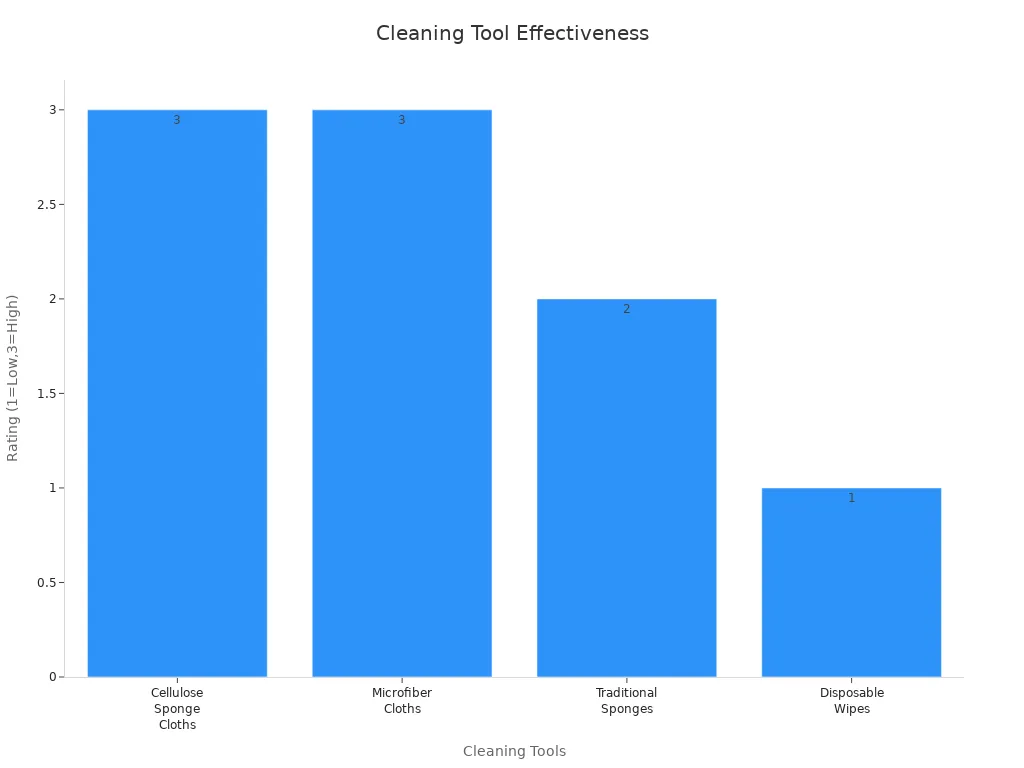
For best results, users should apply gentle pressure when scrubbing stains. Adding a small amount of cleaning solution can enhance the cloth's effectiveness, especially on grease or dried spills.
Versatility in Wet and Dry Cleaning
One of the standout features of cellulose sponge cloths is their ability to perform well in both wet and dry cleaning tasks. When wet, these cloths absorb up to 25 times their weight, making them ideal for wiping spills or cleaning countertops. In their dry state, they are perfect for dusting and scrubbing stubborn grime.
| Feature | Description |
|---|---|
| Super absorbent | Absorb 25 times their weight compared to other cleaning supplies. |
| Machine washable | Can be reused up to 50 times after being washed. |
| Quick expansion | Sponges expand to full size within 2 seconds when wet. |
| Health and hygiene | Open-pore structure allows for quicker drying, reducing bacteria growth in humid conditions. |
| Environmentally friendly | Made from natural materials, can be discarded without harming the environment. |
For wet cleaning, users should soak the cloth briefly to activate its absorbent properties. For dry cleaning, the hardened texture works well for scrubbing or dusting. This dual functionality makes cellulose sponge cloths a must-have for any cleaning routine.
Maintenance and Care for Cellulose Sponge Cloths
Cleaning and Sanitizing Methods
Keeping cellulose sponge cloths clean ensures they stay effective and hygienic. Regular cleaning also extends their lifespan. Here are some easy methods to sanitize them:
- Hot Water and Soap: Rinse the cloth under hot water, apply dish soap, lather it up, and rinse thoroughly.
- Microwave: Dampen the cloth, microwave it for 1-2 minutes, and let it cool before handling.
- Dishwasher: Place the cloth in the utensil holder and run it through a hot cycle with drying.
- Bleach Solution: Soak the cloth in a mixture of one part bleach to nine parts water for five minutes, then rinse well.
These methods help remove bacteria and odors, keeping the cloth fresh and ready for use.
Proper Storage to Prevent Mold and Odors
Proper storage is key to preventing mold and unpleasant smells. After each use, rinse the cloth thoroughly and wring out excess water. Lay it flat or hang it in a well-ventilated area to dry completely. Avoid leaving it in damp or enclosed spaces, as this encourages bacterial growth. For added convenience, some users store their cellulose sponge cloths on hooks or drying racks near the sink.
Tip: Rotate between two or more cloths to allow each one to dry fully before its next use.
Knowing When to Replace Your Sponge Cloths
Even with proper care, cellulose sponge cloths eventually wear out. Signs that it’s time for a replacement include fraying edges, a persistent odor, or reduced absorbency. On average, these cloths last 6-12 months, depending on usage and maintenance. Replacing them promptly ensures cleaning remains efficient and hygienic.
Eco-Friendly Disposal of Cellulose Sponge Cloths
Why They Are a Sustainable Choice
Cellulose sponge cloths stand out as a sustainable cleaning option. Their natural wood fiber composition makes them biodegradable, unlike synthetic sponges that linger in landfills for years. These cloths can even be composted, returning nutrients to the soil instead of contributing to waste.
Reusable and long-lasting, cellulose sponge cloths reduce the need for disposable alternatives like paper towels. A single cloth can replace dozens of rolls, cutting down on waste and saving money. Families using these cloths can eliminate up to 200 pounds of CO2 emissions annually, making them a smart choice for eco-conscious households.
Responsible Disposal Practices
Disposing of cellulose sponge cloths responsibly is simple and environmentally friendly. Here are some easy ways to ensure they don’t harm the planet:
- Composting: Toss worn-out sponge cloths into your compost bin. They break down naturally and enrich the soil.
- Landfill Disposal: If composting isn’t an option, these cloths biodegrade faster than synthetic sponges in landfills.
- Repurposing: Use old sponge cloths for tasks like gardening or cleaning outdoor furniture before discarding them.
By following these practices, households can minimize their environmental impact while keeping their cleaning routines efficient.
Reducing Waste with Reusable Cleaning Tools
Switching to reusable cleaning tools like cellulose sponge cloths helps reduce waste significantly. These cloths absorb up to 20 times their weight in liquid, making them more effective than disposable paper towels. Plus, they can last for years with proper care, eliminating the need for constant replacements.
Reusable tools also have a lower carbon footprint. For example, the manufacturing process for cellulose sponge cloths is less toxic than that of plastic sponges. Choosing these eco-friendly options supports sustainability and helps protect the planet for future generations.
Cellulose sponge cloths combine efficiency, durability, and eco-friendliness, making them a standout choice for modern cleaning routines. They absorb large amounts of liquid, last through tough jobs, and reduce waste.
| Feature | Description |
|---|---|
| High absorbency and durability | Cellulose sponge cloths absorb large quantities of liquids, ensuring effective and long-lasting cleaning. |
| Biodegradable nature | Can be disposed of in organic waste or compost, contributing to waste reduction. |
Switching to these cloths simplifies cleaning while supporting a greener planet. They’re versatile, cost-effective, and hygienic, making them ideal for any home.
Tip: Use cellulose sponge cloths for dishes, countertops, and bathroom surfaces to maximize their benefits.
Article Author: Esun
Skype: +86-13738916022
X: https://x.com/kocean123
YouTube: https://www.youtube.com/channel/UC4_TVumElHH0Kojz8mjVDGg
LinkedIn: https://www.linkedin.com/showcase/esunesun
FAQ
How do I clean cellulose sponge cloths after use?
Rinse the cloth with warm water and soap. For deeper cleaning, microwave it damp for 1-2 minutes or run it through the dishwasher.
Can cellulose sponge cloths be used on delicate surfaces?
Yes! Their soft fibers clean glassware, non-stick pans, and even windows without scratching. They’re gentle yet effective for all delicate surfaces.
How long do cellulose sponge cloths typically last?
With proper care, they last 6-12 months. Replace them when they lose absorbency, develop fraying edges, or retain odors despite cleaning.