

 Send Email
 whatsapp


How to Mop a Cleanroom: Step-by-Step Guide for Contamination Control
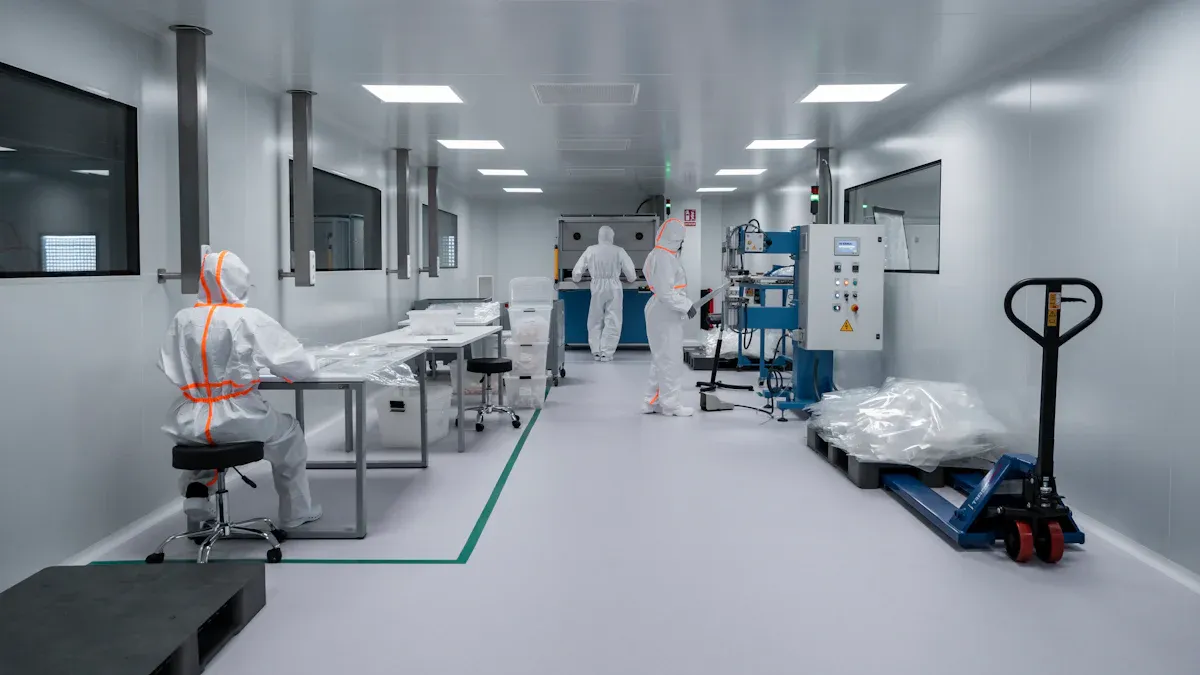
Mopping a cleanroom requires precision and strict adherence to protocols to maintain contamination control. Using a cleanroom mop or aCleanroom cleaning mop effectively minimizes particle and microbial spread. Operators must follow a clean-to-dirty progression, utilize a contamination control mop, and employ cleanroom mops for healthcare that are designed by reputable cleanroom mop manufacturers to ensure compliance with industry standards and safety requirements.
Key Takeaways
- Always follow cleanroom mopping rules. Use special mops. Start in the cleanest area and move to dirtier spots. This helps stop germs and keeps the room clean.
- Use more than one bucket. Have one for cleaning, one for rinsing, and one for dirty water. This stops germs from spreading and cleans better.
- Change mop heads and cleaning water often. Wear the right safety gear. Write down all cleaning steps. This keeps everyone safe and helps track cleaning.
Why Cleanroom Mop Procedures Matter
Contamination Control Impact
Effective mopping procedures play a critical role in maintaining cleanroom integrity. Operators rely on specialized systems and strict processes to prevent the introduction and spread of contaminants.
- Dedicated mop systems and validated laundering processes remove particles, bacteria, and chemicals without damaging the cleaning tools.
- Proper handling and storage, such as placing used mops in sealed, labeled containers, limit environmental exposure and reduce contamination risk.
- Systems with separate compartments for clean and dirty water, along with hands-free operation, help minimize recontamination.
- Regular inspection before and after use ensures that only undamaged, uncontaminated mops enter the cleanroom.
- Compliance with standards like ISO, GMP, and FDA requires traceability, documentation, and validated cleaning methods.
- Proper laundering extends the lifespan of mops and supports sustainable cleaning practices.
These combined measures help maintain sterile conditions and support overall contamination control.
Compliance and Safety
Strict mopping protocols support both regulatory compliance and workplace safety. Cleanroom mop systems often use sterile, lint-free disposable covers and touchless hardware to prevent contamination. Pre-saturated mop covers with disinfectants, such as 70% isopropanol, ensure thorough disinfection of critical surfaces. Touchless handling systems reduce user contact with contaminated equipment, lowering contamination risks. These practices are essential for meeting USP and cGMP requirements and for protecting both products and personnel.
| Evidence Aspect | Description |
|---|---|
| High Decontamination Rates | Disposable mop pads achieve 99.58% efficacy; reusable mop pads achieve 99.86% efficacy in decontamination. |
| Infection Control Importance | Mop pads are essential in removing pathogens from hospital floors, reducing infection risks. |
| Compliance with Health Standards | Hospitals require certified, high-quality mop pads to meet stringent hygiene and regulatory standards. |
| Cross-Contamination Reduction | Disposable mop pads prevent pathogen transfer by being single-use, critical in high-risk areas. |
| Cleaning Protocol Necessity | No single cleaning session removes 100% contamination, emphasizing consistent mop protocols. |
Cleanroom Mop Equipment and Materials
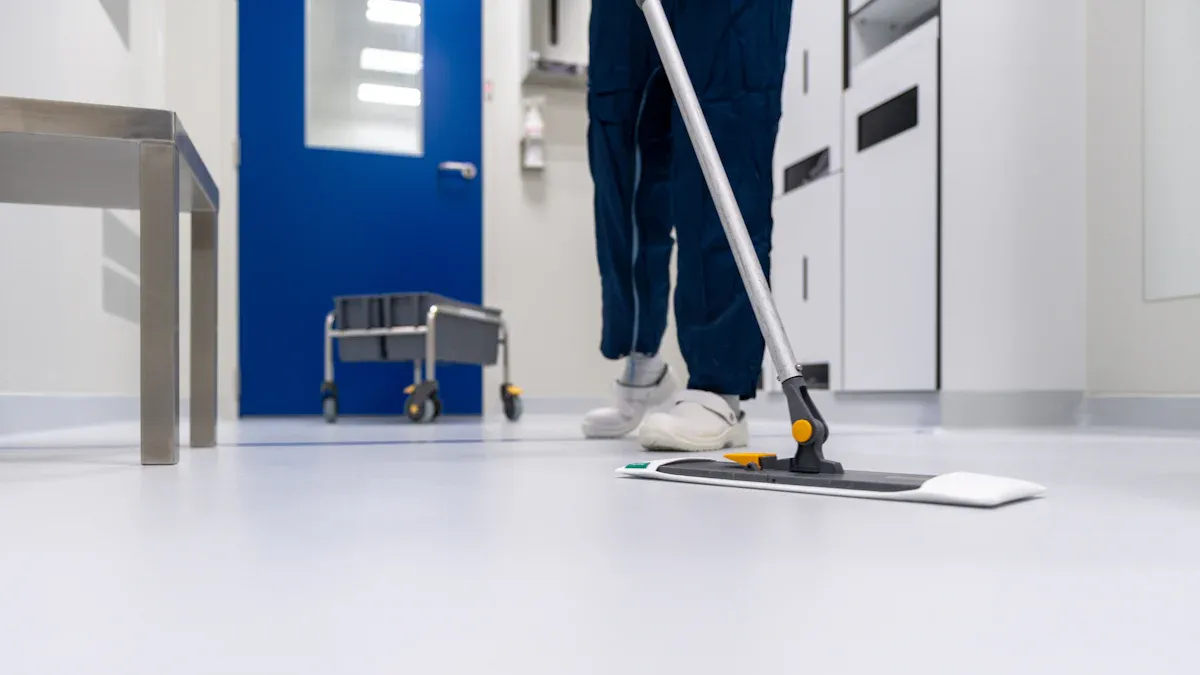
Cleanroom Mop and Buckets
A cleanroom mop system includes specialized mops and buckets designed for contamination control. Operators select mops with low-lint microfiber or polyester heads, which trap particles and withstand sterilization. Buckets often feature color-coding and separation for clean and dirty solutions.
- Stainless-steel trolleys support mobility and durability.
- Multi-bucket systems prevent cross-contamination by keeping cleaning and rinsing solutions separate.
- Validated cleaning tools, as highlighted in regulatory guidance and technical reports, ensure thorough surface coverage and effective microbial reduction.
A validation study in ISO-5 and ISO-7 cleanrooms demonstrated that a two-bucket system with sterile-wrapped microfiber mops significantly reduced microbial counts after a triple cleaning regimen.
Cleaning Agents and Solutions
Operators use cleaning agents that comply with ISO 14644, USP, and cGMP standards. Disinfectants include quaternary ammonium compounds, phenolics, and sporicidal agents like hydrogen peroxide or peracetic acid.
- Rotating disinfectants helps prevent microbial resistance and ensures broad-spectrum control.
- Residue-free cleaners maintain surface integrity and prevent buildup.
- Cleaning protocols specify daily, periodic, and special tasks, each requiring specific agents and application methods.
Personal Protective Equipment (PPE)
Personnel must wear PPE that meets cleanroom standards. Gowning procedures include donning sterile coveralls, gloves, masks, and shoe covers.
- PPE selection follows ISO 14644 and USP guidelines, ensuring protection for both operators and products.
- Routine monitoring and adherence to SOPs maintain compliance and safety.
Disposal and Storage Supplies
Proper disposal and storage of used materials are essential.
- Operators use sealed, labeled containers for soiled mop heads and cleaning cloths.
- Storage areas must remain organized and segregated to prevent recontamination.
- Regular maintenance of equipment and supplies supports ongoing contamination control.
Preparation for Cleanroom Mopping
Gowning and PPE Protocols
Operators begin by following strict gowning procedures before entering the cleanroom. They select sterile coveralls, gloves, masks, and shoe covers that meet cleanroom standards. Each item must fit properly and remain free from visible damage. Personnel perform hand hygiene and don PPE in a designated gowning area to prevent outside contaminants from entering the controlled environment. Supervisors often monitor this process to ensure compliance with established protocols.
Area Inspection and Pre-Cleaning
Before using a cleanroom mop, operators inspect the area for visible debris, spills, or equipment out of place. They remove any obstacles and address spills with approved absorbent materials. Pre-cleaning reduces the risk of spreading contaminants during mopping. Operators check that all surfaces are intact and free from residue. This step ensures that the cleanroom remains ready for effective mopping and supports contamination control.
Preparing Cleaning Solutions and Tools
Proper preparation of cleaning solutions and tools directly impacts contamination control. Operators select the correct mop system based on cleanroom classification and available space. Studies show that multi-bucket systems, such as double or triple bucket setups, prevent cross-contamination by keeping rinse and disinfectant solutions separate.
- Operators verify disinfectant dilution and use sterile, validated cleaning agents.
- They dedicate new mop heads for each session, as controlled trials reveal that reused or improperly laundered mop heads can increase microbial counts.
- Single-use presaturated wipes may replace traditional mop systems but require validation for compatibility and efficacy.
Case studies highlight that improper preparation, such as incorrect dilution or inadequate training, can lead to residue buildup and contamination risks. Rinsing floors after disinfectant contact time helps prevent residue accumulation. Supervisors provide training and oversight to ensure that all cleaning protocols are followed, supporting consistent cleanroom performance.
Step-by-Step Cleanroom Mop Technique
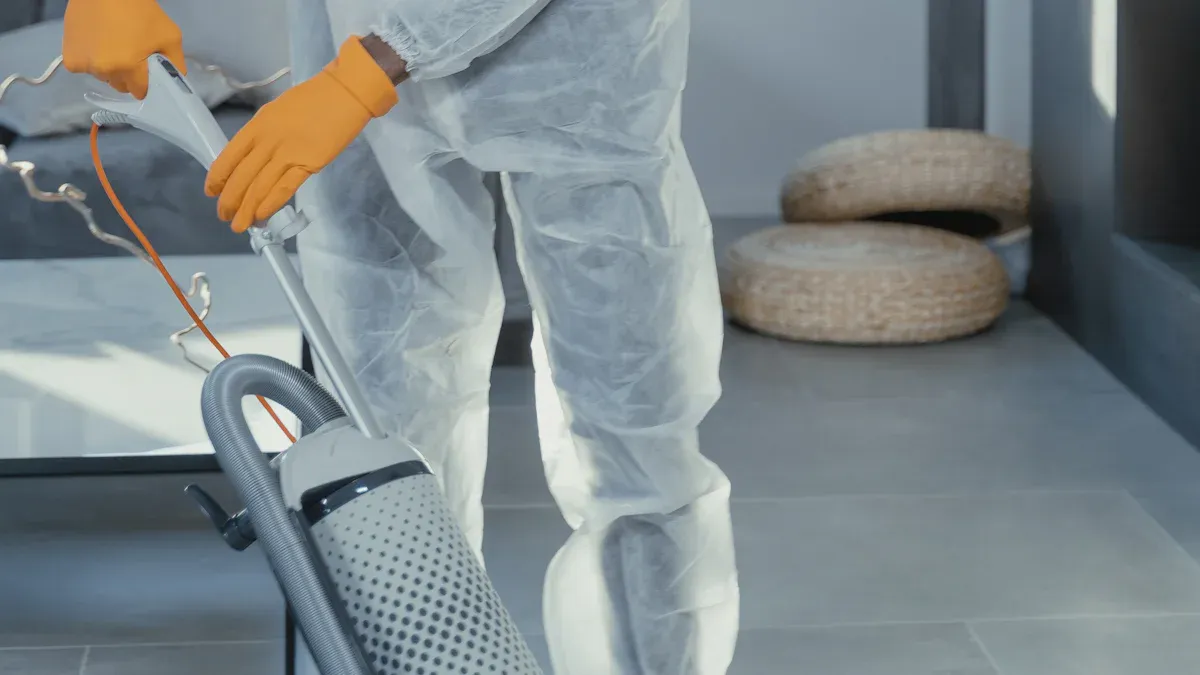
Clean-to-Dirty Progression
Operators always start mopping in the cleanest area and move toward the dirtiest zone. This approach prevents the transfer of contaminants from less clean to more critical spaces. Personnel identify the cleanest section based on the cleanroom’s zoning plan, often beginning at the entry point or the area farthest from doors and high-traffic zones. They progress methodically, ensuring each pass with the cleanroom mop covers only uncontaminated surfaces before moving into areas with higher contamination risk. This progression supports contamination control and aligns with industry-standard operating procedures.
Tip: Mark the clean-to-dirty flow on the floor plan or with temporary signage to help new operators maintain the correct sequence during training.
Directionality and Overlap Patterns
Effective mopping in a cleanroom relies on precise, repeatable movements. Operators use unidirectional strokes, moving the cleanroom mop in straight lines without reversing direction over the same area. The STAXS blog highlights that the perimeter-then-S method works best for floors. Personnel first mop the perimeter, then fill in the interior using overlapping S-shaped passes. Each stroke overlaps the previous one by about 25–30%, which ensures complete coverage and prevents gaps where contaminants could remain. This technique reduces the risk of recontamination and supports consistent results across shifts.
Strict adherence to these patterns, combined with a clean-to-dirty progression, helps operators capture and remove particles efficiently. Standard Operating Procedures require these methods to ensure uniformity and minimize particle redistribution.
Multi-Bucket System Use
A multi-bucket system forms the backbone of effective cleanroom mopping. This system separates cleaning solution, rinse water, and waste, which prevents cross-contamination and maintains low contaminant levels in cleanrooms. Operators follow these steps:
- Use one bucket for the cleaning solution, a second for rinsing the mop, and a third for collecting waste water.
- Assign each bucket to a specific stage to avoid mixing contaminants between solutions.
- Sequence the cleaning steps correctly, always rinsing the mop after each pass before reapplying the cleaning solution.
- Fill the rinse bucket with distilled or sterile water to further reduce contamination risks.
- Benefit from improved cleaning efficacy, reproducibility, and compliance with cleanroom standards.
- Pair the system with specialized cleanroom mops and sterile microfiber mop heads for optimal results.
- Apply proper technique, such as overlapping mop paths and the “Pull and Lift” method, to maximize cleaning performance.
This approach enforces discipline and consistency, which are essential for maintaining cleanroom integrity.
Changing Mop Heads and Solutions
Operators must change mop heads and cleaning solutions at set intervals to prevent recontamination. They replace mop heads after each room or when visibly soiled. In high-risk areas, personnel may change mop heads even more frequently. Cleaning solutions require regular replacement, especially if they become cloudy or after a set number of uses as defined by the facility’s protocol. Used mop heads go into sealed, labeled containers for proper disposal. Fresh solutions and mop heads ensure that each mopping cycle removes, rather than redistributes, contaminants.
Note: Supervisors should monitor compliance with change-out schedules and document each replacement to support traceability and regulatory requirements.
Disposal and Post-Mopping Protocols
Safe Removal and Disposal of Used Materials
Operators must handle used mop heads, wipes, and disposable PPE with care to prevent recontamination. They place all soiled materials directly into sealed, labeled containers. This practice ensures that contaminants do not escape back into the cleanroom environment. Facilities often use color-coded bags or bins to separate hazardous waste from general cleaning debris. Supervisors check that all containers remain closed and stored in designated disposal areas until removal.
Tip: Always remove gloves last to avoid touching contaminated surfaces with bare hands.
A clear disposal protocol reduces the risk of accidental exposure. Staff should never compress or shake used mop heads, as this action can release trapped particles. Proper labeling supports traceability and regulatory compliance.
Cleaning and Storing Equipment
After mopping, operators clean all reusable equipment, such as mop handles and buckets, with approved disinfectants. They rinse and dry each item thoroughly before storage. Storage areas must remain organized and free from clutter. Equipment should hang or rest on racks to prevent contact with the floor or other contaminated surfaces.
- Inspect all tools for damage or residue before returning them to storage.
- Replace any worn or damaged parts immediately.
- Record cleaning and maintenance activities in the facility log.
Routine cleaning and proper storage extend equipment lifespan and maintain readiness for the next cleaning cycle. These steps help facilities uphold strict contamination control standards.
Best Practices for Cleanroom Mop Use
Adhering to SOPs and Protocols
Operators must follow standard operating procedures (SOPs) for every cleanroom mop session. SOPs outline each step, from gowning to disposal, and help maintain consistency. Facilities update these protocols regularly to reflect new regulations and best practices. Staff should review SOPs before each shift and participate in routine training. Supervisors monitor compliance and provide feedback to reduce errors. Clear documentation supports traceability and regulatory audits.
Operator Safety and Movement
Personnel protect themselves and the environment by using proper movement techniques. They keep movements slow and controlled to avoid stirring up particles. Operators maintain an upright posture and use ergonomic grips on mop handles. This approach reduces fatigue and prevents repetitive strain injuries. Staff should always face the direction of cleaning and avoid crossing over cleaned areas.
Tip: Operators should plan their route in advance to minimize unnecessary steps and reduce the risk of recontamination.
Common Mistakes to Avoid
Several frequent mistakes can compromise contamination control. Dirty cleaning equipment, including mops, often introduces contaminants into high-risk areas. Staff sometimes forget to sterilize tools after each use or store them improperly. Neglecting the required contact time for disinfectants also reduces cleaning effectiveness. These errors increase microbial contamination risks and can lead to regulatory violations. Facilities must analyze human factors and enforce strict cleaning protocols to minimize operational errors.
| Mistake | Impact on Cleanroom Integrity |
|---|---|
| Using dirty mop heads | Spreads contaminants |
| Skipping sterilization | Increases microbial risk |
| Improper storage | Allows recontamination |
| Short disinfectant time | Reduces microbial kill efficacy |
Verifying Cleanroom Mop Effectiveness
Visual Inspection and Monitoring
Facilities verify the effectiveness of cleanroom mopping through rigorous visual inspection protocols and ongoing monitoring. Trained personnel conduct inspections under specific lighting conditions, using 750 lux for general surfaces and 1000 lux for critical zones. Inspectors maintain a viewing angle of 35 ±5 degrees and a distance of about 0.75 meters to ensure consistency. They often use LED inspection lights with over 900 lumens, stainless steel mirrors, and digital cameras with at least 12MP resolution. For hard-to-reach areas, validated borescopes help confirm cleanliness.
Qualified inspectors complete a minimum of 40 hours of training and six supervised inspections before certification. Annual recertification requires a 95% success rate. Inspection points are marked every 10 m² on large surfaces, and inspectors record environmental conditions such as lighting, humidity, and temperature. Monitoring includes microbial testing, with limits set at ≤100 CFU/100cm² for total aerobic count and ≤10 CFU/100cm² for yeast and mold. Analytical methods like bioburden testing and TOC analysis further validate cleanliness.
Documentation and Recordkeeping
Accurate documentation supports compliance and traceability in cleanroom environments. Facilities follow cGMP, ISO 14644, and ISO 13485 standards, which require meticulous record-keeping for all cleaning and maintenance activities. Personnel use lint-free cleanroom paper and notebooks to prevent introducing contaminants during documentation. Records include inspector and equipment IDs, light intensity, observations, and photographic evidence from multiple angles. Maintenance logs track cleaning tool performance and replacement schedules.
Comprehensive documentation begins before cleanroom construction and continues through daily operations. Ongoing training ensures staff understand documentation protocols. Reliable recordkeeping helps facilities avoid delays, fines, and audit issues while supporting the verification of cleaning tool effectiveness as part of contamination control.
Following each step with a cleanroom mop ensures effective contamination control. Strict protocol adherence and regular training remain essential.
- Industry experts deliver specialized training on cleanroom mop techniques and compliance.
- Structured programs highlight proper patterns, sterile mop heads, and SOPs.
- These measures enhance safety and regulatory compliance.
FAQ
How often should operators change cleanroom mop heads?
Operators should change mop heads after each room or when visibly soiled. High-risk areas may require more frequent changes to maintain contamination control.
What cleaning agents work best for cleanrooms?
Facilities use residue-free, validated disinfectants such as 70% isopropanol or hydrogen peroxide. Rotating agents helps prevent microbial resistance and ensures broad-spectrum effectiveness.
Can reusable mop heads be used in all cleanroom classes?
Reusable mop heads suit many cleanroom classes if properly laundered and validated. Disposable options may be required for higher classifications or sterile environments.
Tip: Always follow facility SOPs for mop head selection and replacement.