

 Send Email
 whatsapp


The Advantages of Using Cellulose Kitchen Sponges for Eco-Conscious Consumers
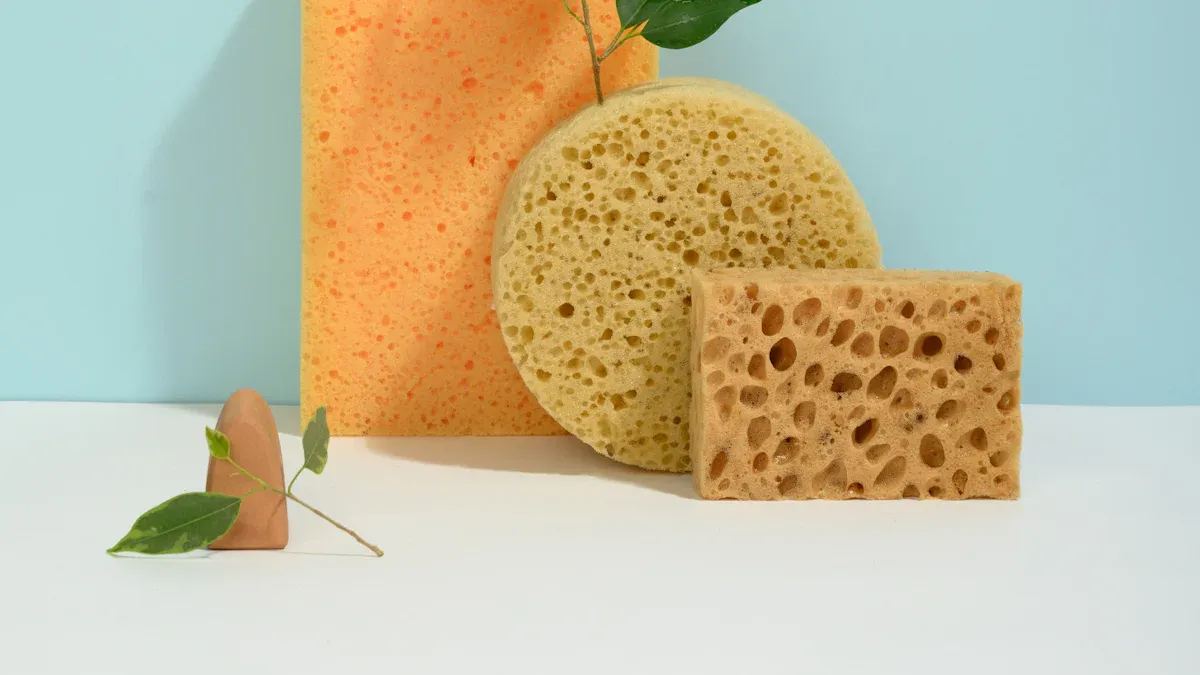
Eco-conscious consumers prioritize sustainable cleaning tools. The global eco-friendly cleaning products market grew from USD 31 billion in 2023 to USD 37.56 billion in 2024. A biodegradable kitchen sponge offers a superior choice. The natural biodegradable sponge, specifically an ecofriendly cellulose sponge, provides an excellent alternative. This biodegradable cellulose kitchen sponge, a versatile biodegradable cellulose sponge, enhances kitchen sustainability. The cellulose sponge offers practical benefits.
Key Takeaways
- Cellulose Sponges aregood for the environment. They break down naturally and do not create tiny plastic pieces.
- These sponges work well in the kitchen. They soak up liquids easily and clean surfaces gently without scratches.
- You can make your sponge last longer. Clean it often and let it dry completely after each use.
Environmental Benefits of Cellulose Sponges for Eco-Conscious Consumers
Consumers increasingly seek products that minimize environmental impact. Cellulose sponges offer significant ecological advantages over their synthetic counterparts. These benefits stem from their natural composition and their lifecycle.
Biodegradability and Compostability of Cellulose Sponges
Cellulose sponges stand out for their ability to break down naturally. They are inherently biodegradable, meaning microorganisms can decompose them into natural elements. This characteristic prevents them from accumulating in landfills for centuries, unlike plastic sponges. For consumers interested in composting, cellulose sponges present an appealing option. Certifications like OK Compost and ASTM D6400 confirm their biodegradability under specific conditions.
However, home composting environments present unique challenges for these sponges. While industrial composting facilities can break them down completely within 8-12 weeks, home compost bins typically do not achieve the high temperatures necessary for efficient decomposition. Only about 21% of cellulose sponges properly decompose in regular home compost setups. Generally, cellulose can take anywhere from 6 months to a year and a half to decompose in compost piles, though this is a broader estimate not specific to home compost bins. Consumers should understand these differences when considering disposal methods.
Renewable Plant-Based Materials in Cellulose Sponges
The production of cellulose sponges relies on renewable resources. Manufacturers derive these natural sponges from wood pulp. This process involves cooking wood pulp to produce cellulose fibers. Workers then mix these cellulose fibers into a paste, which forms the basis for sponge production. This reliance on plant-based materials ensures a sustainable source, reducing dependence on fossil fuels often used in manufacturing synthetic plastics. Choosing products made from renewable resources supports sustainable forestry practices and minimizes the ecological footprint associated with cleaning tools.
Reducing Microplastic Pollution with Cellulose Sponges
Synthetic kitchen sponges contribute significantly to microplastic pollution. These sponges, often made from plastic polymers, shed tiny plastic particles during use. The mechanical process of cleaning, which involves friction, causes this shedding. Studies have shown the release of nylon PA-6 and PET particles from different layers of sponges during simulated cleaning processes. Older sponges release particles more easily as their core network breaks down.
For example, melamine foam sponges shed 6.5 million microplastic fibers per gram as they wear out. Researchers estimate a global overall emission of 4.9 trillion microplastic fibers per gram due to sponge consumption. These microplastics enter waterways, harming marine life and potentially entering the human food chain. Cellulose sponges, made from natural fibers, do not shed microplastics. They offer a safe alternative, preventing the release of harmful plastic particles into the environment. This makes them a responsible choice for consumers concerned about plastic pollution.
Superior Performance and Practicality of Cellulose Sponges
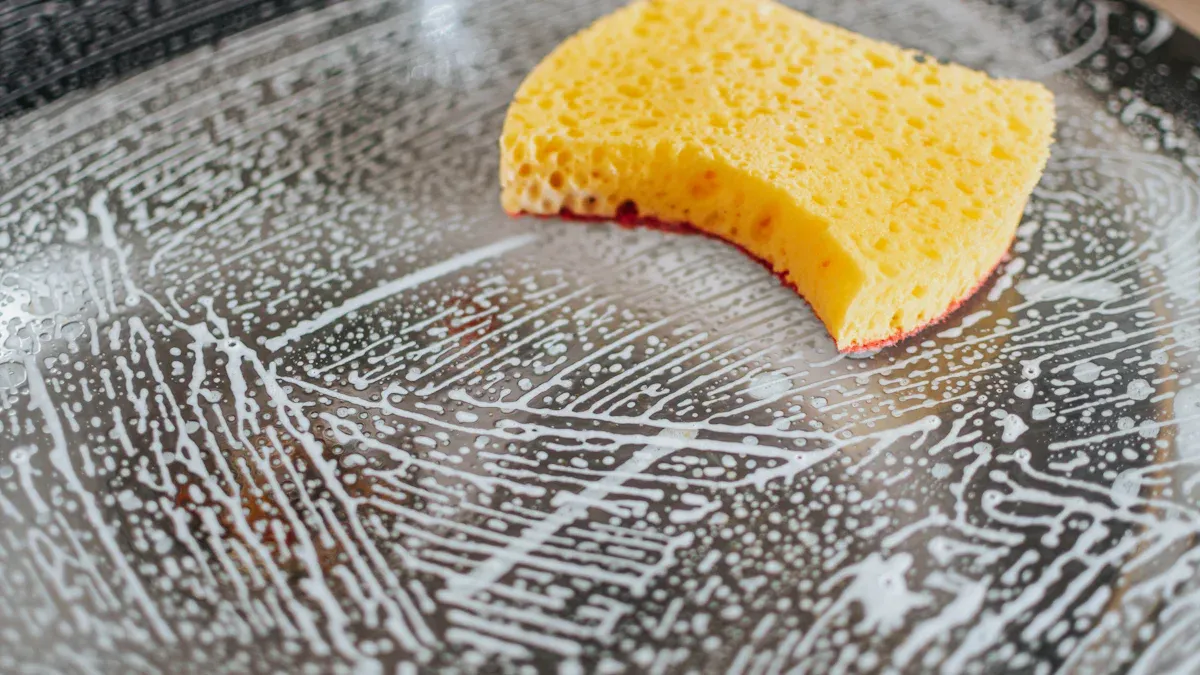
Beyond their environmental advantages, cellulose sponges offer significant practical benefits in the kitchen. Consumers find these sponges highly effective for daily cleaning tasks. Their design and material properties contribute to superior performance and ease of use.
High Absorbency and Cleaning Efficiency of Cellulose Sponges
Cellulose sponges excel in their ability to absorb liquids. Their unique, open-pore structure allows them to hold a substantial amount of water, often more than synthetic alternatives. This high absorbency makes them exceptionally efficient for wiping spills, cleaning countertops, and washing dishes. They quickly soak up messes, reducing the effort required for cleanup. This characteristic ensures a thorough clean, leaving surfaces dry and spotless. The sponge's capacity to retain water also helps distribute cleaning solutions evenly, enhancing their effectiveness across various surfaces.
Gentle Cleaning for Various Surfaces with Cellulose Sponges
The soft texture of cellulose fibers makes these sponges ideal for gentle cleaning tasks. They clean surfaces effectively without causing damage. Manufacturers design cellulose sponges to be plush and soft, ensuring safety on delicate materials. This quality makes them suitable for use on glass stovetops, non-stick cookware, and other sensitive surfaces where scratching is a concern.
Cellulose sponges are characterized by their plush, soft nature, making them ideal for gentle cleaning tasks and safe for use on all surfaces without scratching. They are more suitable for delicate surfaces like glass stovetops, where they clean without scratching.
In contrast, scrub sponges often feature an abrasive side designed for tough grime, which can vary in roughness. Wire sponges, like steel wool, are effective for metal pots but can be too harsh for many kitchen surfaces. Cellulose sponges, made from wood pulp, provide effective general cleaning for dishes, countertops, and bathroom surfaces without the risk of abrasion.
Durability and Longevity of Cellulose Sponges
Consumers often consider the lifespan of cleaning tools. Cellulose sponges offer a practical level of durability for everyday use. Under typical household conditions, experts recommend replacing kitchen sponges every two to four weeks. This general guideline applies to most sponges, including cellulose options. While their biodegradable nature does not inherently grant them a longer lifespan than synthetic alternatives, their performance remains consistent throughout their recommended use period. Regular replacement ensures hygiene and optimal cleaning power. Proper care, such as rinsing thoroughly after each use and allowing them to dry, helps maintain their integrity and effectiveness during this timeframe.
Maintaining and Maximizing the Lifespan of Your Cellulose Sponge
Proper care significantly extends the life and effectiveness of a cellulose sponge. Consumers can ensure their sponges remain hygienic and functional for longer periods. This approach reduces waste and maximizes the value of each sponge.
Proper Cleaning and Sanitization for Cellulose Sponges
Regular cleaning and sanitization are crucial for maintaining sponge hygiene. Several effective methods exist for eliminating common kitchen bacteria. Placing sponges in the dishwasher at the end of the evening kills most pathogens. Microwaving damp sponges for one minute until steam is visible also effectively kills most pathogens. This method drastically reduces bacterial load by five to seven log-scales. Microwave radiation generates heat within microbial cells, causing protein denaturation. Submerging sponges in boiling water eliminates most bacteria, including potential pathogens like Salmonella. Using disinfectant on sponges also kills most bacteria, similar to boiling, and reduces potential pathogens.
Tips for Extending the Use of Your Cellulose Sponge
Maximizing a sponge's lifespan involves specific practices. Always wring out the sponge completely after each use. Wash off any loose food or debris from the sponge. Store the sponge in a dry location, avoiding damp, enclosed areas like buckets or under the sink. Allowing sponges to dry completely open to the air prevents mildew growth. To kill bacteria, soak the sponge in a mixture of one part bleach to nine parts water for two minutes, then wring out and air dry. Alternatively, soak the sponge in full-strength vinegar for five minutes. Avoid using the sponge on very rough surfaces, such as stone or cement. Do not use the sponge with strongly corrosive substances.
Responsible Disposal Methods for Cellulose Sponges
When a cellulose sponge reaches the end of its useful life, responsible disposal is important. While home composting can be challenging due to temperature requirements, commercial composting facilities often accept these materials. Consumers should verify with their specific facility to confirm acceptance policies. Many cellulose sponges, made from wood pulp, are acceptable in these programs. If unsure about the material, do not include it in the composting program. This ensures proper processing and prevents contamination of compost streams.
Cellulose sponges offer clear environmental and practical advantages. They are biodegradable, plant-based, and prevent microplastic pollution. These sponges also provide superior absorbency and gentle cleaning. Choosing a cellulose sponge creates a greener kitchen. Consumers can embrace a more sustainable lifestyle by making this simple switch.
FAQ
Are cellulose sponges truly eco-friendly?
Yes, cellulose sponges are eco-friendly. They are biodegradable, made from renewable plant-based materials, and do not release microplastics. This makes them a sustainable choice. 🌱
How often should one replace a cellulose sponge?
Experts recommend replacing kitchen sponges, including cellulose ones, every two to four weeks. This ensures optimal hygiene and cleaning performance.
Can one compost cellulose sponges at home?
Home composting cellulose sponges can be challenging. Industrial facilities offer better conditions for complete decomposition. Check local guidelines for acceptance. ♻️
