

 Send Email
 whatsapp


Eco-Friendly and Recyclable: The Sustainable Side of Microfilament Nonwoven

Microfilament Nonwoven is recognized as an eco-friendly solution within the textile industry. Manufacturers have found that reusableMicrofilament Cleaning Cloths and Microfilaments wipes, both made from advanced Microfilaments nonwoven materials, can withstand hundreds of use cycles, significantly reducing waste and conserving valuable resources. At industry events, Micro-filament nonwoven fabric is frequently highlighted as a leading innovation supporting circular economy initiatives.
| Product Type | Waste Reduction (%) | Lifespan (cycles) |
|---|---|---|
| Microfilament Cleaning Cloths | Up to 97% | 150–200 |
| Microfilaments wipes | Up to 97% | 150–200 |
Key Takeaways
- Microfilament nonwoven products last much longer than traditional options, reducing waste by up to 97% and saving resources.
- These materials use less water and energy during production and can be recycled through mechanical or chemical methods, supporting a circular economy.
- Manufacturers follow strict environmental standards and use eco-friendly processes to minimize pollution and protect the environment.
Microfilament Nonwoven and Sustainability

What Makes Microfilament Nonwoven Eco-Friendly
Microfilament Nonwoven stands out for its eco-friendly features, which stem from both its composition and its manufacturing process. Manufacturers use advanced techniques that avoid solvents and chemical binders, resulting in a cleaner product with less environmental burden. The production process consumes less water and energy compared to traditional cotton fabrics. This efficiency reduces the overall carbon footprint.
A key advantage lies in the durability and reusability of microfilament nonwoven products. For example, reusable microfiber mop pads can last through 150 to 200 cleaning cycles, reducing waste by up to 97% compared to disposable alternatives. The table below highlights how microfilament nonwoven materials compare to traditional cleaning options:
| Feature | Microfilament Nonwoven Materials | Traditional Cleaning Options |
|---|---|---|
| Durability | High; reusable for over 200 laundering cycles | Low; often disposable or short-lived |
| Cleaning Efficiency | Superior; removes smaller particles effectively | Moderate; less effective cleaning |
| Chemical Costs | Significantly reduced (e.g., $0.055/day) | Higher (e.g., $1.32/day) |
| Environmental Impact | Reduced waste due to reusability | More waste due to disposability |
Microfilament nonwoven fabrics also support circular economy principles. At the end of their life, these materials can undergo mechanical or chemical recycling, or even be upcycled into high-value fibers. This versatility in end-of-life options further enhances their sustainability profile.
Recyclability and Resource Efficiency
Resource efficiency is a core strength of microfilament nonwoven technology. Manufacturers often use polyester and polypropylene as raw materials, which are recyclable through both physical and chemical methods. Physical recycling involves mechanical processes like crushing and melting, while chemical recycling breaks down the polymers into their original monomers. Chemical recycling, especially when using advanced catalysts, can achieve recovery yields of 80-100%, producing high-quality recycled fibers suitable for demanding applications.
- Microfilament nonwovens made from PET fibers are compatible with both mechanical and chemical recycling.
- Mechanical recycling is straightforward but may result in lower-quality material.
- Chemical recycling, though more complex, preserves material quality and supports high-performance reuse.
- Energy recovery serves as a last resort for materials that cannot be recycled.
Manufacturers also explore the use of recycled PET and bio-based alternatives to further reduce environmental impact. Innovations such as CiCLO technology enable synthetic fibers to biodegrade more readily, addressing concerns about microplastic pollution. The industry continues to adopt energy-saving production methods and invest in end-of-life solutions that align with circular economy goals.
♻️ Tip: Choosing reusable microfilament nonwoven products over disposables can significantly lower both waste and resource consumption in daily operations.
Environmental Impact and Compliance
The environmental impact of microfilament nonwoven spans its entire lifecycle, from raw material extraction to end-of-life disposal. During production, the release of micro- and nanoplastics through textile wastewater can contaminate rivers and lakes. Washing these textiles also sheds microfibers, contributing to global microplastic pollution. However, the use of reusable products and cleaner production methods helps mitigate these effects.
| Lifecycle Stage | Environmental Impact | Key Findings and Details |
|---|---|---|
| Production | Release of micro- and nanoplastics via textile wastewater contaminating rivers and lakes | PET fibers make up a significant portion of microplastics in water bodies; textile wastewater has a high graywater footprint. |
| Washing | Shedding of microfibers and nanoplastic coatings during laundering | Each wash can release thousands of fibers; aged polyester sheds more. |
| Environmental Fate | Contamination of freshwater systems and potential ecological effects | Microplastics detected in rivers; wastewater treatment plants are key pollution channels. |
| Mitigation Strategies | Cleaner production, biodegradable finishes, and further research on ecological effects | Use of biopolymers and ecofriendly finishes; focus on reducing microplastic release. |
To address these challenges, manufacturers comply with international environmental standards such as ISO 14001, which certifies environmentally friendly practices. Many producers also pursue certifications like OEKO-TEX® STeP and ECO-CHECK, which recognize products that save resources, improve manufacturing footprints, and allow for environmentally friendly disposal. Regulatory requirements, including European REACH and waste management directives, drive companies to adopt recycled materials, energy-efficient machinery, and sustainable product design.
- Manufacturers invest in waste management systems and energy-efficient production to meet regulatory standards.
- Certifications such as ISO 14001:2015 and ECO-CHECK demonstrate a commitment to sustainability.
- Compliance with chemical safety regulations ensures products are free from harmful substances.
These efforts collectively ensure that microfilament nonwoven products meet both environmental and regulatory expectations, supporting a more sustainable future for the textile industry.
Microfilament Nonwoven vs. Traditional Materials
Environmental Advantages
Microfilament Nonwoven materials offer clear environmental benefits compared to traditional options. Manufacturers use recyclable PET and PA, which support closed-loop recycling systems. In contrast, traditional disposable wipes often contain cellulose fibers and additives that hinder recyclability. The production of microfilament nonwovens avoids solvents and binding agents, reducing water and energy consumption. Many companies also incorporate natural bast fibers, such as hemp and flax, which are biodegradable and return nutrients to the soil. Traditional plastics, like polyethylene, persist in the environment for centuries and contribute to microplastic pollution.
| Feature | Microfilament Nonwoven Wipes | Traditional Disposable Wipes |
|---|---|---|
| Material | Recyclable PET and PA | Cellulose fibers, additives |
| Reusability | Washable, reusable | Single-use |
| Waste Generation | Reduced | Higher, landfill contribution |
Performance Benefits
Microfilament Nonwoven fabrics excel in durability and cleaning efficiency. Ultra-fine fibers penetrate microscopic crevices, lifting more contaminants in a single pass. This structure reduces the need for repeated wiping and extends product lifespan. The following chart illustrates the superior wash cycle durability of microfilament products compared to cotton:
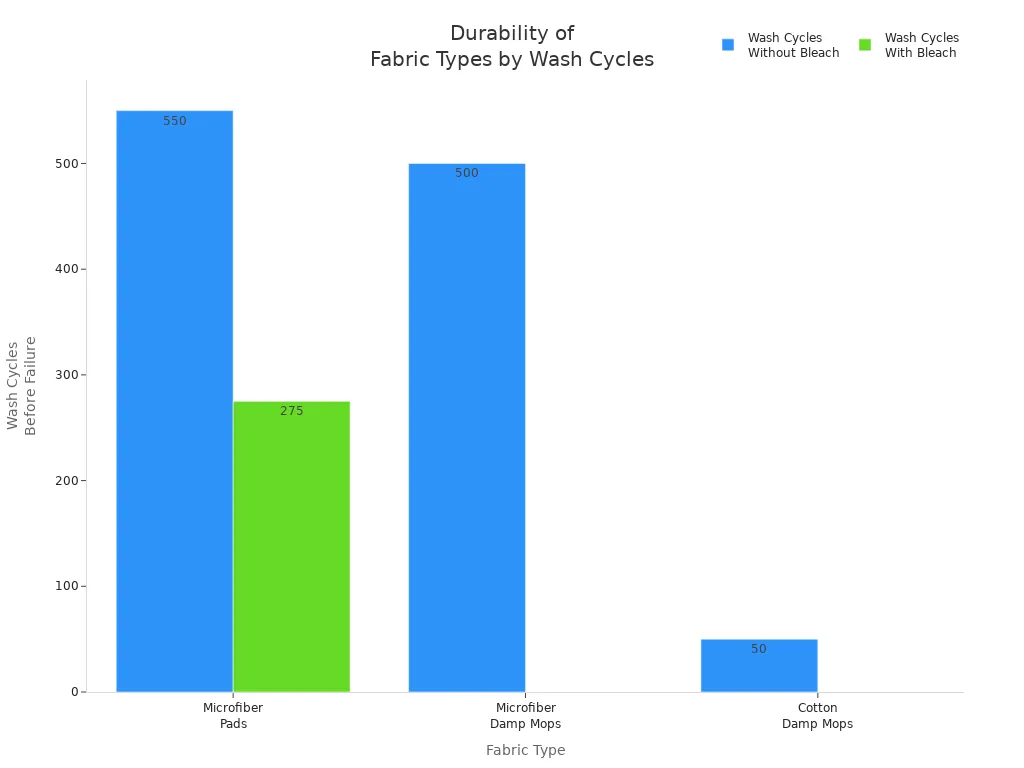
Performance metrics include lint-free cleaning, high absorbency, and mechanical strength. Microfilament nonwovens maintain their effectiveness through hundreds of wash cycles, while cotton alternatives degrade much faster.
Challenges and Opportunities
The adoption of microfilament nonwovens faces several challenges. Manufacturers must overcome the complexity of changing established production systems and address scalability issues. Regulatory inconsistencies and resource shortages also slow progress. However, opportunities exist in developing biopolymer fibers, improving recycling processes, and using certified sustainable raw materials. Growing consumer demand for eco-friendly products and regulatory pressures encourage broader market adoption.
Microfilament Nonwoven stands out for its durability, resource savings, and versatility across industries.
- Companies recycle PET waste into new fibers, reducing landfill impact and raw material costs.
- Market trends show rising demand for sustainable materials, driven by consumer awareness and regulatory changes.
Microfilament Nonwoven technology will shape the future of eco-friendly products through innovation and circularity.
FAQ
What makes microfilament nonwoven more sustainable than traditional fabrics?
Microfilament nonwoven uses recyclable materials and advanced manufacturing. Companies reduce water and energy consumption. Products last longer, which lowers waste and supports circular economy goals.
Can microfilament nonwoven products be recycled after use?
Yes. Manufacturers recycle microfilament nonwoven through mechanical or chemical processes. PET and polypropylene fibers allow for high-quality recycling and reuse in new products.
♻️ Tip: Always check local recycling guidelines before disposing of microfilament nonwoven items.
Are microfilament nonwoven materials safe for the environment?
Microfilament nonwoven meets strict environmental standards. Producers use eco-friendly finishes and invest in cleaner production. Certifications like ISO 14001 confirm compliance with global sustainability requirements.
