

 Send Email
 whatsapp


Top Benefits of Using a Microfiber Cleaning Cloth for Everyday Cleaning
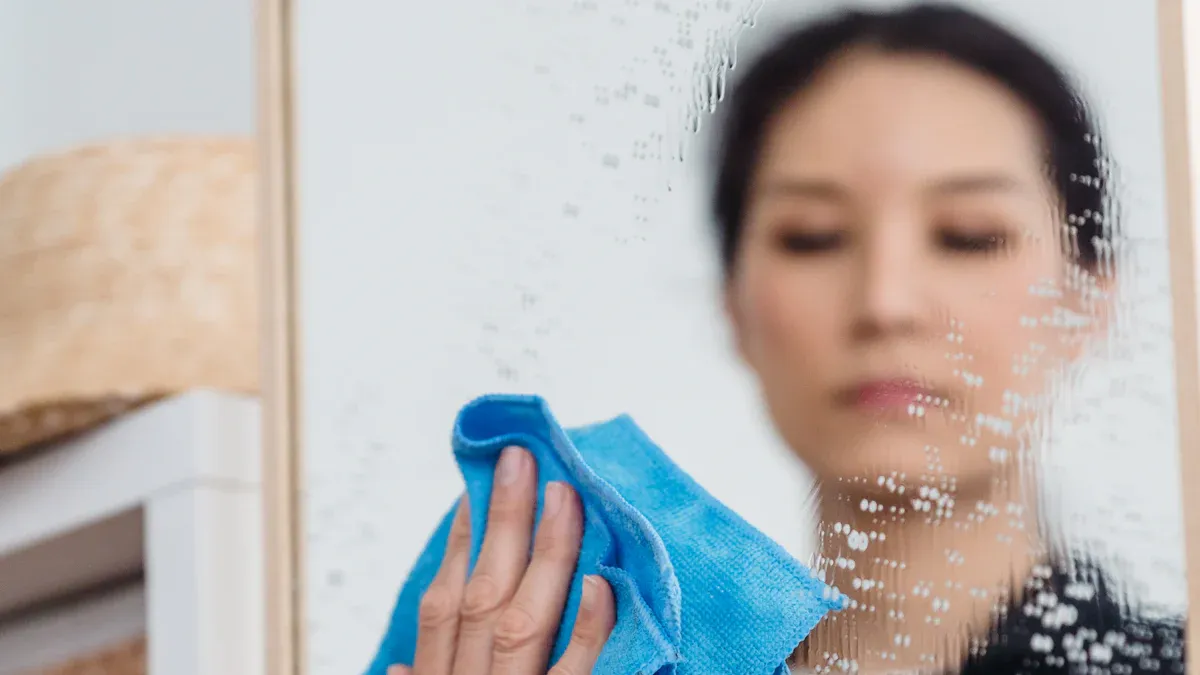
A microfiber towel stands out for its advanced design. Polyester and polyamide fibers, finer than human hair, create an electrostatic charge that attracts dust and dirt. This microfiber cloth for car cleaning absorbs up to eight times its weight. Microfiber rags leave surfaces lint-free, outperforming traditional materials.
Key Takeaways
- Microfiber towels clean better by trapping dust, dirt, and bacteria with ultra-fine fibers, leaving surfaces streak-free and hygienic using less effort and fewer chemicals.
- These towels absorb liquids quickly, dry fast, and last through hundreds of washes when cared for properly, making them a durable and cost-effective cleaning tool.
- Using Microfiber Towels reduces waste and chemical use, supporting a healthier home and environment by replacing disposable products and minimizing harmful cleaning agents.
How Microfiber Works
A microfiber towel uses thousands of ultra-fine fibers to clean surfaces more effectively than traditional cloths. Each fiber measures less than one denier, making it much finer than a strand of human hair. When someone wipes a surface with a microfiber towel, the split fibers create a slight static charge. This charge attracts dust, dirt, and even bacteria, pulling them into the towel rather than pushing them around. The tight weave and high fiber density allow the towel to absorb liquids quickly, making it ideal for cleaning up spills or polishing surfaces. Microfiber towels also dry faster than cotton alternatives, which helps prevent the growth of mold and mildew.
Key Features of Microfiber Towels
High-quality microfiber towels stand out due to several important characteristics:
- A higher GSM (grams per square meter), often 480 or more, signals greater fiber density and better absorption.
- The best towels use a blend with a higher percentage of polyamide, such as 70/30, which increases softness and absorption.
- Edges are finished without stitched tags or use heat-sealed edges to prevent scratches on delicate surfaces.
- Fibers are split and extremely fine, sometimes as fine as 0.25 denier, which improves cleaning efficiency.
- A tight, compact weave allows the towel to absorb water instead of pushing it around.
- High-quality towels feel plush but retain their softness and effectiveness after many washes.
Tip: When selecting a microfiber towel, check for a compact weave and a soft, tag-free edge. These features help protect surfaces and ensure long-lasting performance.
Lower-quality towels often have a rougher texture, lower GSM, and stitched tags that can scratch paint or glass. They may work for heavy-duty tasks but lack the gentle touch and efficiency needed for sensitive surfaces.
Superior Cleaning Performance
Traps Dust, Dirt, and Bacteria
Microfiber towels deliver exceptional cleaning by capturing dust, dirt, and bacteria at a microscopic level. Each fiber, one-hundred times finer than human hair, creates a dense network that acts like a magnet for particles. The positive charge of these fibers attracts negatively charged dust and bacteria, locking them deep within the towel. This design prevents particles from escaping back into the environment.
- Microfiber towels remove bacteria with up to 99% effectiveness, while traditional cloths only reach about 30%.
- The absorbent structure holds onto dust and allergens, reducing the risk of cross-contamination.
- Unlike standard cloths, microfiber prevents germs from becoming airborne during cleaning.
These properties make microfiber towels a preferred choice in hospitals, schools, and restaurants, where maintaining a hygienic environment is essential. Users can clean surfaces thoroughly with less effort and fewer chemicals, promoting both safety and efficiency.
Tip: For best results, fold the microfiber towel into quarters. This technique provides multiple clean surfaces and maximizes dust and bacteria removal.
Streak-Free and Lint-Free Results
Microfiber towels consistently deliver streak-free and lint-free finishes. The ultra-fine fibers glide smoothly across glass, mirrors, and polished surfaces, leaving no residue behind. Unlike cotton cloths, which often shed lint or leave streaks, microfiber ensures a flawless appearance after every use.
Professionals in automotive detailing, hospitality, and healthcare rely on microfiber for its ability to produce a spotless shine. Homeowners also appreciate the clarity it brings to windows, screens, and stainless steel appliances. Microfiber’s unique construction guarantees that surfaces look clean and polished, without the frustration of leftover fibers or marks.
High Absorption Power
Soaks Up Spills Quickly
Microfiber towels excelat rapid liquid absorption. Their ultra-fine fibers create a dense network that draws in moisture from surfaces almost instantly. When someone wipes up a spill, the towel traps water within its structure, preventing it from spreading. This quick action proves especially useful in kitchens, bathrooms, and cars, where spills can happen at any time.
Although cotton towels can hold more liquid at once due to their natural fibers, microfiber towels outperform them in speed and efficiency. The synthetic fibers in microfiber react quickly to moisture, making them ideal for situations that require immediate cleanup. Users often notice that a single swipe with a microfiber towel removes most of the liquid, reducing the need for repeated passes.
Tip: Keep a microfiber towel handy in high-traffic areas. Quick access ensures fast response to unexpected spills.
Efficient Drying and Polishing
Microfiber towels not only absorb liquids quickly but also excel at drying and polishing surfaces. Their unique construction leaves surfaces dry and streak-free, which is essential for glass, mirrors, and stainless steel. The towel’s ability to trap water and lift away residue means fewer water spots and a polished finish.
Unlike cotton towels, which may leave behind lint or require multiple passes, microfiber towels glide smoothly and leave no trace. Their fast-drying nature also prevents the growth of mold and unpleasant odors. Professionals in cleaning and detailing industries rely on microfiber for its consistent results and time-saving benefits.
- Microfiber towels dry faster than cotton, making them ready for reuse sooner.
- Surfaces cleaned with microfiber maintain a polished, professional appearance.
Long-Lasting Durability
Withstands Frequent Washing
Microfiber towels offer impressive durability, making them a smart investment for both households and professionals. High-quality microfiber towels can endure hundreds of wash cycles before showing signs of wear. This resilience comes from the tightly woven synthetic fibers that resist breaking down, even after repeated use.
Proper care extends the lifespan of these towels. Users should wash microfiber towels in cold or warm water on gentle cycles. Mild detergents work best, while fabric softeners and bleach should be avoided. Overloading the washer can damage the fibers, so smaller loads are recommended. Air drying or using low heat in the dryer helps preserve the towel’s structure and softness.
- High-quality microfiber towels withstand hundreds of washes.
- Gentle washing and mild detergents protect the fibers.
- Avoiding fabric softeners and bleach prevents damage.
- Air drying or low heat maintains towel performance.
Note: Microfiber towels lose effectiveness when fibers stiffen, absorbency drops, or streaking appears. Proper washing methods matter more than the number of washes.
Maintains Cleaning Effectiveness
Durability means little without consistent cleaning power. Microfiber towels maintain their effectiveness over time, provided users follow recommended care routines. The split fibers continue to trap dust, dirt, and bacteria, even after many washes. Unlike cotton cloths, which degrade quickly, microfiber retains its absorbency and softness.
Professionals trust microfiber towels for their reliability. These towels deliver the same high level of performance after months of use as they did on day one. Regular care ensures that each towel remains a powerful cleaning tool, saving money and reducing waste in the long run.
Versatility for Everyday Cleaning
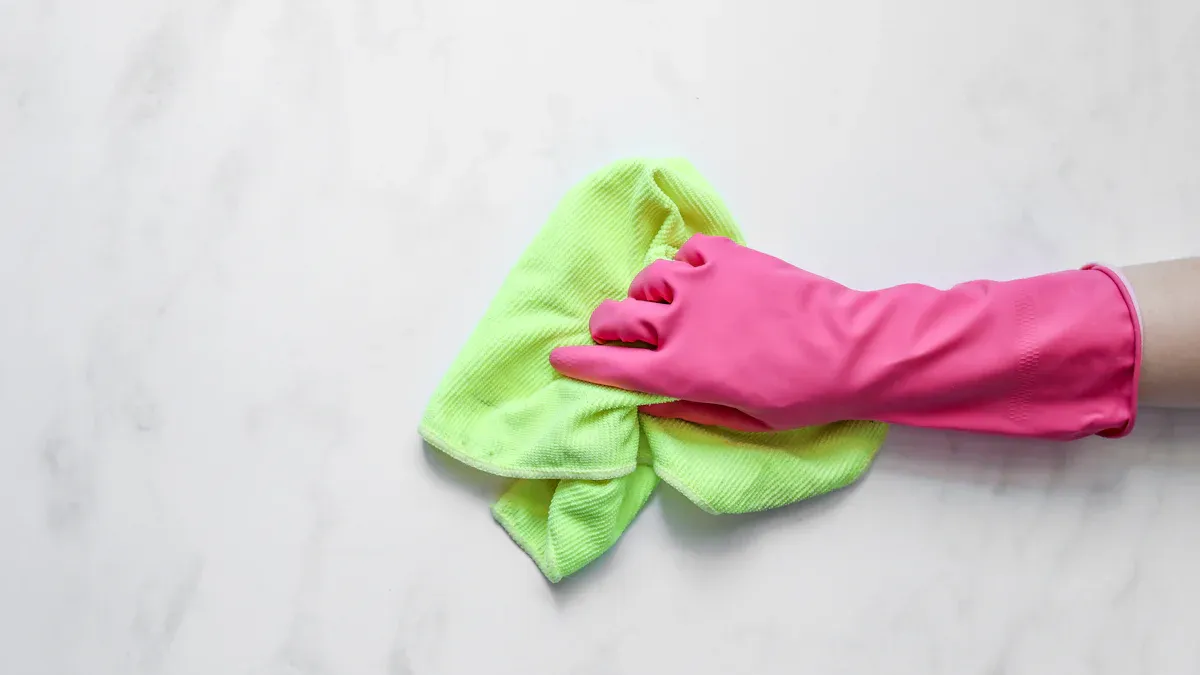
Safe for Electronics and Delicate Surfaces
Microfiber towels provide a gentle yet effective cleaning solution for electronics and delicate surfaces. Their ultra-fine fibers prevent scratches on screens, lenses, and sensitive finishes. Many professionals trust microfiber for cleaning smartphones, tablets, camera lenses, and eyeglasses. The towels do not leave lint or streaks, ensuring a clear, polished result every time.
Manufacturers design microfiber towels without added chemicals, making them hypoallergenic and safe for users with sensitive skin. The absence of harsh additives also protects fragile surfaces from damage. Heat-sealed edges and a plush texture further reduce the risk of scuff marks or abrasions. Users can confidently clean wooden furniture, natural stone countertops, and stainless steel appliances without worry.
Tip: Always use a clean, dry microfiber towel for electronics to avoid transferring moisture or debris.
Suitable for Kitchens, Bathrooms, and More
Microfiber towels adapt to a wide range of household cleaning tasks. Their unique blend of polyester and polyamide combines polishing power with super absorbency. This structure allows them to absorb up to seven times their weight in moisture, making them ideal for spills and messes.
- Attract dust, debris, and allergens from surfaces.
- Remove dirt, soap, food spills, fingerprints, and grease.
- Leave mirrors, glass, and fixtures streak-free.
Microfiber towels work well on countertops, sinks, appliances, and fixtures. Their durability and reusability make them an economical choice, reducing the need for disposable products. Homeowners appreciate their ability to tackle grime, residues, wax, and silicone with ease. The towels maintain performance after many washes, supporting a cleaner and healthier home environment.
Reduces Need for Cleaning Chemicals
Cleans Effectively with Just Water
Microfiber towels deliver impressive cleaning results using only water. Their advanced design features over 100,000 fibers per square inch, which increases their ability to attract and trap dirt, dust, and bacteria. The negatively charged fibers pull in particles, often eliminating the need for chemical cleaners. Microfiber towels can reduce bacteria by approximately 99%, making them highly effective for sanitizing surfaces without harsh agents.
- Microfiber towels absorb up to eight times their weight in water, allowing efficient cleaning with less liquid.
- The fine fibers trap dirt and bacteria, reducing reliance on detergents and disinfectants.
- These towels require significantly less liquid and chemicals to achieve spotless results.
- Their durability and reusability provide ongoing economic and environmental benefits.
Microfiber towels also improve indoor air quality by minimizing dust and detergent residues left behind after cleaning. Their ability to clean with just water supports a safer, more sustainable approach to everyday cleaning.
Healthier for You and the Environment
Reducing chemical use with microfiber towels benefits both human health and the environment. The densely layered fibers physically remove bacteria, viruses, and allergens, capturing up to 99% of bacteria without chemical disinfectants. This approach decreases exposure to potentially harmful cleaning agents, especially important in homes with children or individuals with sensitivities.
Microfiber towels also help protect the environment. Their reusability and efficiency lower chemical runoff and reduce waste from disposable cleaning products. By conserving resources and minimizing pollution, microfiber towels support a cleaner, healthier home and planet.
Tip: Choose microfiber towels for routine cleaning to create a safer environment and reduce your ecological footprint.
Eco-Friendly Cleaning Solution
Reusable and Washable
Microfiber towels offer a sustainable alternative to disposable cleaning products. Their synthetic fibers withstand hundreds of wash cycles without losing effectiveness. Users can simply toss microfiber towels into the washing machine after each use. This process removes dirt, bacteria, and stains, restoring the towel’s cleaning power. Unlike single-use products, microfiber towels maintain their structure and absorbency over time.
A single microfiber towel can replace dozens of paper towels or cotton cloths. This durability reduces the frequency of repurchasing cleaning supplies. Many households find that investing in a set of microfiber towels leads to long-term savings. The towels dry quickly, which prevents the growth of mold and unpleasant odors. Their reusability supports a cleaner home and a healthier environment.
Tip: Wash microfiber towels separately from cotton fabrics to preserve their unique cleaning properties.
Reduces Waste Compared to Paper Towels
Switching to microfiber towels dramatically cuts household waste. The average person uses over 3,000 paper towels each year, which equals about 80 rolls per person. This high consumption results in the loss of nearly 10 million trees annually in the United States. Most of these paper towels end up in landfills, contributing to environmental pollution.
Microfiber towels eliminate nearly all of this waste. Their washable and reusable design means one towel can serve for months or even years. Households that adopt microfiber towels help conserve natural resources such as trees, water, and energy. By reducing reliance on disposable products, families make a positive impact on the planet.
- Microfiber towels reduce landfill waste.
- They conserve valuable resources.
- Households save money and support sustainability.
Microfiber Towel vs. Traditional Cleaning Materials
Comparison with Cotton Cloths
Microfiber towels outperform cotton cloths in nearly every cleaning category. Cotton cloths often require chemical cleaners to remove dirt and bacteria. In contrast, a microfiber towel can eliminate up to 99% of bacteria using only water. This efficiency comes from the unique structure of the fibers, which trap and hold contaminants rather than spreading them. Cotton cloths tend to wear out quickly, leading to frequent replacements and higher long-term costs. Microfiber towels, while more expensive at first, last through hundreds of washes and maintain their cleaning power.
The environmental impact also differs. Microfiber towels reduce waste because users can wash and reuse them many times. Cotton cloths, although natural, often end up in landfills after a short lifespan. The table below highlights these differences:
| Aspect | Microfiber Towels | Traditional Cleaning Materials |
|---|---|---|
| Cleaning Performance | Removes up to 99% of bacteria and contaminants, often effective with just water due to unique fiber structure | Less effective, usually requires chemical cleaning solutions |
| Cost | Higher upfront cost but highly durable, lasting hundreds of washes, making them cost-effective over time | Lower initial cost but wears out faster, leading to more frequent replacements and higher long-term costs |
| Environmental Impact | Reusable and reduces waste by replacing disposable materials; chemical-free cleaning reduces environmental harm | Often disposable or less durable, generating more waste; typically requires chemical cleaners that may impact environment |
Note: Microfiber towels provide a more sustainable and effective cleaning solution compared to cotton cloths.
Comparison with Paper Towels and Sponges
Paper towels and sponges remain common in many households, but they present several drawbacks. Paper towels generate significant waste and contribute to landfill problems. Sponges, while reusable, can harbor bacteria if not cleaned properly. A microfiber towel offers superior cleaning by trapping dirt, bacteria, and allergens deep within its fibers. It also reduces long-term costs because it lasts much longer than disposable paper towels or most sponges.
The following table summarizes the main differences:
| Aspect | Microfiber Towels (Reusable) | Paper Towels (Disposable) | Sponges (Reusable) |
|---|---|---|---|
| Cost | Higher initial cost but cost-effective over time due to durability and multiple uses | Lower upfront cost but higher long-term expense due to frequent repurchasing | Similar to microfiber towels; reusable but may wear out faster |
| Environmental Impact | Eco-friendly; reduces waste and landfill contribution | Generates significant waste; contributes to landfill and carbon emissions | Reusable but may harbor bacteria if not maintained properly |
| Cleaning Effectiveness | Superior at trapping dirt, bacteria, and allergens; deep cleaning | Limited effectiveness; may spread germs rather than remove them | Effective but less efficient than microfiber towels in trapping particles |
| Convenience | Requires regular washing and maintenance; needs proper storage | Highly convenient; single-use eliminates washing and maintenance | Requires cleaning but less convenient than disposables |
| Hygiene | Needs proper washing to prevent bacteria buildup; risk if not maintained | Prevents cross-contamination due to single-use nature | Risk of bacterial growth if not cleaned and stored properly |
Microfiber towels stand out for their cleaning power, durability, and environmental benefits. They help users save money and reduce waste while maintaining a hygienic home.
A microfiber towel improves cleaning routines by trapping dust and bacteria, reducing chemical use, and saving water. Many facilities report enhanced hygiene and safety with color-coded systems. However, microfiber towels can release microplastics during washing, which may harm the environment over time.
- Users find cleaning easier and more effective.
- Color-coding prevents cross-contamination.
FAQ
How should someone wash microfiber towels?
Wash microfiber towels in warm water with mild detergent. Avoid fabric softeners and bleach. Air dry or use low heat to maintain fiber quality.
Can microfiber towels scratch delicate surfaces?
High-quality microfiber towels do not scratch delicate surfaces. Their ultra-fine fibers gently lift dirt without causing damage to glass, screens, or polished finishes.
How long does a microfiber towel last?
A microfiber towel can last for hundreds of washes. Proper care and storage extend its lifespan, making it a cost-effective cleaning solution.
