

 Send Email
 whatsapp


What is the difference between disposable and reusable drapes?
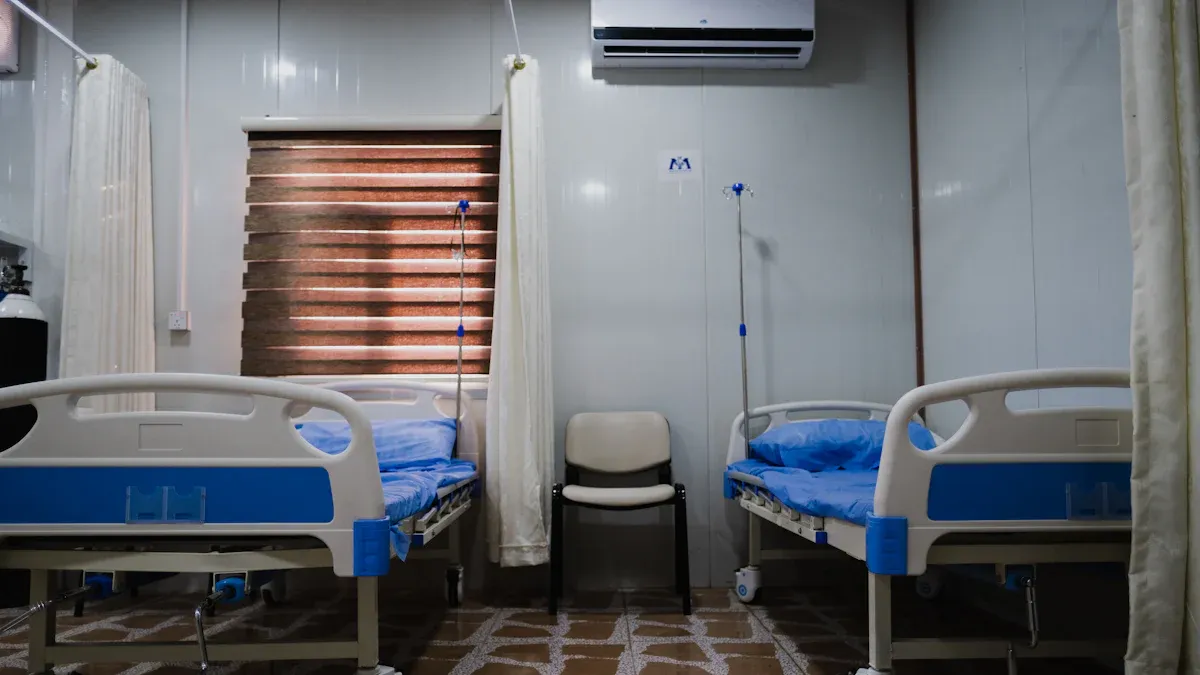
Disposable drapes serve as single-use barriers, while reusable drapes undergo cleaning for repeated application. Hospitals worldwide report lower access to reusable drapes, with fewer than 30% of surgeons able to use them. The table below highlights global usage trends for surgical drapes and related products such as hospital curtain, Medical Cubicle Curtains, and hospital partition curtain.
| Aspect | Evidence Summary |
|---|---|
| Usage in USA Hospitals | About one third of over 200 surveyed hospitals still use reusable surgical gowns and drapes; many consider switching to disposables. |
| Global Surgeon Survey | Among 594 surgeons from 75 countries, fewer than 30% have access to reusable drapes and gowns; availability is lower in Europe compared to other regions. |
| Factors Influencing Usage | Barrier properties ranked most important; antimicrobial function and environmental impact also considered; cost, quality, and availability are key factors. |
Key Takeaways
- Disposable drapes provide a fresh, sterile barrier for each surgery, reducing infection risks and simplifying handling for healthcare staff.
- Reusable drapes offer durability and lower waste generation but require careful cleaning and sterilization to maintain safety and effectiveness.
- Hospitals must balance infection control, environmental impact, and costs when choosing between disposable and reusable drapes to best fit their needs.
Material and Design Differences
Disposable Drapes: Materials and Features
Manufacturers design disposable drapes for single-use scenarios, focusing on sterility and convenience. They often select non-woven fabrics such as spunbond polypropylene. This material remains lightweight, breathable, and flexible, which allows the drape to conform easily to patient contours. Plastic films like polyethylene or polyurethane provide excellent resistance to fluids, making them suitable for surgeries that involve significant fluid exposure. Many disposable drapes also include absorbent layers, such as cotton or cellulose, to manage excess fluids and keep the surgical field dry.
Key properties of disposable drapes include:
- Lightweight construction for easy handling.
- Breathable materials that enhance comfort for both patients and staff.
- Strong fluid resistance to prevent contamination.
- Effective microbial barriers that help reduce infection risk.
- Flexibility and drapability for optimal coverage.
- Absorbency to manage blood and other fluids.
- Optional antimicrobial treatments to inhibit bacterial growth.
Additional features often found in disposable drapes:
- Adhesive strips for secure placement during procedures.
- Fluid control elements, such as absorbent pouches or channels.
- Transparent sections for improved visualization.
- Compatibility with surgical accessories.
- Simple application and removal processes.
- Some products offer biodegradable or recyclable options to address environmental concerns.
Note: Disposable drapes prioritize sterility and ease of use, but their single-use nature contributes to medical waste.
Reusable Drapes: Materials and Features
Reusable drapes rely on durable woven fabrics, most commonly high-quality cotton or polyester blends. These materials withstand repeated laundering and sterilization cycles without significant degradation. Manufacturers often treat reusable drapes with fluid-repellent coatings to enhance their barrier properties. Some products incorporate multiple fabric layers to improve absorbency and protection.
Reusable drapes typically feature:
- Strong, tightly woven fabrics for durability.
- Fluid-repellent finishes that maintain barrier integrity.
- Reinforced edges and seams to prevent fraying.
- Colorfast dyes that resist fading through many wash cycles.
- Compatibility with standard sterilization methods, such as autoclaving.
Some reusable drapes include pockets or attachment points for surgical instruments. Their design often emphasizes longevity and cost-effectiveness over single-use convenience.
Durability and Performance
Disposable drapes offer consistent performance for each procedure. Their materials guarantee a fresh, sterile barrier every time. However, they lack the strength to withstand repeated use. Tears or punctures can occur if handled roughly.
Reusable drapes excel in durability. Hospitals can launder and sterilize them dozens or even hundreds of times before replacement becomes necessary. Their robust construction resists wear and tear, but their barrier properties may diminish over time if not properly maintained. Fluid repellency and microbial resistance depend on the quality of laundering and reprocessing.
| Feature | Disposable Drapes | Reusable Drapes |
|---|---|---|
| Material | Non-woven, plastic-based | Woven, fabric-based |
| Fluid Resistance | High (single use) | Moderate to high (treated) |
| Durability | Single-use only | Multiple uses (durable) |
| Maintenance | None (discard after use) | Requires laundering |
| Barrier Consistency | Always new | Depends on reprocessing |
Healthcare facilities must weigh the trade-offs between the guaranteed sterility and convenience of disposables and the long-term durability and sustainability of reusables. The choice often depends on the specific needs of the procedure, available resources, and institutional priorities.
Infection Control and Safety
Single-Use Benefits for Infection Prevention
Disposable drapes provide a fresh, sterile barrier for every procedure. Manufacturers package these drapes in sterile conditions and seal them until use. This process ensures that each drape arrives free from contaminants. Hospitals can rely on disposable drapes to reduce the risk of surgical site infections. Staff members do not need to worry about previous exposure or improper cleaning.
Key benefits of single-use drapes for infection prevention include:
- Guaranteed sterility: Each drape is sterile at the point of use.
- No risk of residual contamination: The drape has not contacted any previous patient or environment.
- Reduced handling: Staff only handle the drape once, which limits opportunities for contamination.
- Consistent quality: Manufacturers control the production process to meet strict standards.
🛡️ Tip: Facilities that prioritize infection control often choose disposable drapes for high-risk or complex procedures.
Reprocessing and Sterilization of Reusable Drapes
Reusable drapes require thorough cleaning and sterilization after each use. Hospitals must follow strict protocols to ensure these drapes remain safe for patients. The process usually involves several steps: washing, inspecting, repairing, and sterilizing. Staff must remove all visible soil and biological material before sterilization. Autoclaving, which uses high-pressure steam, is the most common method for sterilizing medical textiles.
Sterilization aims to destroy all living forms, including spores. This process is more effective than disinfection, which only reduces the number of microorganisms. While protocols for surgical instruments are well established, guidelines for drapes focus on maintaining sterility in the surgical environment. Hospitals must monitor the effectiveness of their reprocessing systems to prevent lapses in infection control.
A typical reprocessing workflow for reusable drapes:
- Collection: Staff collect used drapes in designated containers.
- Washing: Laundry services use medical-grade detergents and high temperatures.
- Inspection: Workers check for damage or stains.
- Repair or discard: Damaged drapes are either repaired or removed from service.
- Sterilization: Autoclaves or other approved methods ensure sterility.
- Storage: Sterile drapes are stored in controlled environments until use.
Note: The effectiveness of sterilization depends on proper cleaning and adherence to protocols. Any lapse can compromise patient safety.
Risk of Cross-Contamination
Cross-contamination remains a significant concern with reusable drapes. If staff do not follow reprocessing protocols precisely, pathogens may survive and transfer to the next patient. Factors that increase the risk include inadequate washing, improper sterilization, and storage in non-sterile environments. Tears or worn areas in fabric can also harbor microorganisms.
Disposable drapes eliminate this risk by providing a new, uncontaminated barrier for each procedure. Reusable drapes, however, rely on human diligence and robust hospital systems. Facilities must invest in staff training, quality control, and regular audits to minimize the risk of cross-contamination.
| Factor | Disposable Drapes | Reusable Drapes |
|---|---|---|
| Risk of Cross-Contamination | Very low | Depends on reprocessing |
| Reliance on Human Factors | Minimal | High |
| Sterility Assurance | Consistent | Variable |
Hospitals must weigh these risks when choosing between disposable and reusable drapes. Infection control policies should reflect the facility’s resources, patient population, and commitment to safety.
Environmental Impact

Waste Generation and Disposal
Disposable drapes contribute significantly to medical waste. Hospitals discard each drape after a single use, which leads to large volumes of clinical waste. This waste often requires special handling and incineration. Reusable drapes generate less solid waste because staff can launder and reuse them many times. However, worn-out reusable drapes eventually enter the waste stream. Facilities must also dispose of packaging materials for both types.
♻️ Note: Disposable drapes increase landfill burden, while reusable drapes reduce waste volume but still require eventual disposal.
Resource Use and Sustainability
Manufacturers of disposable drapes rely on non-renewable resources such as plastics and synthetic fibers. Production consumes energy and water, but the process remains relatively straightforward. Reusable drapes, often made from cotton or polyester blends, require more resources during manufacturing. Cotton cultivation uses large amounts of water and chemicals. Hospitals must also use water, energy, and detergents for repeated laundering and sterilization. This ongoing resource use impacts sustainability.
A quick comparison:
| Aspect | Disposable Drapes | Reusable Drapes |
|---|---|---|
| Water Use | Low (production) | High (laundering) |
| Energy Use | Moderate | High (life cycle) |
| Raw Materials | Synthetic | Cotton/Polyester |
Life Cycle Considerations
A full life-cycle assessment reveals complex trade-offs. Studies show that reusable drapes, when combined with some single-use components, consume about twice the total energy and produce more carbon dioxide emissions than fully disposable systems. Reusable drapes also require more water throughout their lifespan. Disposable drapes, on the other hand, generate more clinical waste. Environmental impacts depend on factors such as cotton farming pollution and transportation emissions. Decision-makers must weigh these factors when choosing between drape types, as neither option offers a perfect solution for sustainability.
Cost and Economic Considerations
Upfront and Ongoing Costs
Hospitals face different financial commitments when choosing between disposable and reusable drapes. Disposable drapes require a higher upfront purchase cost, but they eliminate the need for laundry and sterilization. Reusable drapes, often made from cotton, have a lower initial price but incur significant ongoing expenses. These include direct laundry costs, labor for handling, and maintenance. The following table summarizes these cost components:
| Cost Component | Reusable Drapes (Cotton) | Disposable Drapes (Spun-fiber) |
|---|---|---|
| Direct Laundry Costs | High | $0 |
| Indirect Laundry Costs | Significant | Same as reusable |
| Handling Costs | High | Much lower |
| Purchase Costs | Low | Much higher |
| Miscellaneous Costs | Moderate | Lower |
| Total Annual Cost | Higher | Lower overall |
A community hospital reported saving $31,000 annually by switching to disposables, mainly due to reduced laundry and handling expenses.
Cost per Use Analysis
When evaluating cost per use, reusable drapes appear less expensive at first glance. However, ongoing costs such as laundering, maintenance, and eventual replacement add up over time. Studies show that disposable drapes have a higher cost per use, but they offer greater benefits, including improved infection control. Hospitals often find that the higher price of disposables is justified by their convenience and safety profile.
💡 Tip: Reducing the price of single-use drapes could make them even more competitive in healthcare settings.
Hidden Costs: Laundry, Storage, and Waste Management
Reusable drapes bring hidden costs that extend beyond purchase and laundry. Hospitals must invest in storage space, staff training, and equipment for sterilization. Wastewater management from laundering also adds to the total expense. Disposable drapes, while simpler to manage, generate additional costs through waste disposal and environmental management. Each system presents unique financial challenges that hospitals must consider when making purchasing decisions.
Comfort and Practicality
Patient Comfort and Experience
Patient comfort remains a top priority in surgical settings. Disposable drapes often use lightweight, soft materials that feel gentle against the skin. These drapes conform easily to body contours, which helps reduce discomfort during procedures. Many disposable options include breathable fabrics that prevent overheating and sweating. Reusable drapes, made from thicker woven fabrics, provide durability but may feel heavier or stiffer. Some patients notice the difference in texture, especially during longer surgeries. Both types aim to minimize irritation and maintain patient dignity, but disposable drapes frequently offer a softer touch.
Ease of Use for Healthcare Staff
Healthcare staff value efficiency and reliability. Disposable drapes arrive pre-sterilized and ready for immediate use. Staff can quickly open the packaging and apply the drape, which streamlines workflow and reduces preparation time. These drapes often include features like adhesive strips and fluid control elements, making them easy to position and secure. Reusable drapes require additional steps, such as collecting, laundering, inspecting, and sterilizing after each use. Staff must also check for wear or damage before reuse. Disposable drapes simplify the process, allowing teams to focus on patient care rather than logistics.
Storage and Handling
Efficient storage and handling impact daily hospital operations. Disposable drapes come in compact packaging, which optimizes storage space and reduces clutter in supply rooms. Facilities do not need to allocate space for laundering or sterilization equipment. This streamlined approach lowers operational burdens and shortens turnover time between procedures. In contrast, reusable drapes demand significant storage space for both soiled and clean inventory. Hospitals must manage the logistics of cleaning, sterilizing, and transporting these drapes, which increases complexity and costs.
Tip: Facilities seeking to maximize space and simplify logistics often prefer disposable drapes for their compact storage and reduced handling requirements.
- Disposable drapes:
- Compact packaging saves space.
- No need for laundering or sterilization.
- Ready to use, reducing operational steps.
- Reusable drapes:
- Require large storage areas.
- Involve ongoing costs for cleaning and transport.
- Add complexity to hospital logistics.
Hospital Curtain Comparison
Similarities and Differences with Surgical Drapes
hospital curtain and surgical drapes both serve as barriers in healthcare environments, but they have distinct roles and properties. Surgical drapes create a sterile field during procedures. Manufacturers design them for single use, ensuring each drape is free from contaminants. In contrast, a hospital curtain provides privacy for patients in shared spaces. Staff and visitors touch the hospital curtain frequently, which increases the risk of contamination.
A hospital curtain usually consists of fabric or mesh and remains in place for extended periods. Surgical drapes, on the other hand, are removed and discarded after each procedure. The hospital curtain does not require the same level of sterility as surgical drapes. However, both items play a part in infection control strategies within hospitals.
| Feature | Hospital Curtain | Surgical Drapes |
|---|---|---|
| Primary Purpose | Privacy | Sterile barrier |
| Frequency of Change | Infrequent | After each procedure |
| Sterility | Non-sterile | Sterile |
| Contact Frequency | High | Low |
Infection Control Considerations for Hospital Curtains
Hospital curtain surfaces present unique infection control challenges. Studies show that a hospital curtain often harbors harmful bacteria, including methicillin-resistant Staphylococcus aureus and Clostridium difficile. Healthcare workers and visitors touch the hospital curtain before and after patient care, which increases the risk of spreading healthcare-associated infections.
Unlike surgical drapes, which are always sterile and single-use, staff change a hospital curtain only when visibly soiled or after certain patient discharges. Visual inspection cannot reliably detect contamination, so bacteria may persist on the hospital curtain for long periods. Hand hygiene compliance among staff varies, and gloves can transfer bacteria from the hospital curtain to patients during routine care.
- Hospital curtain acts as a high-touch surface.
- Bacteria can survive on the hospital curtain for days or weeks.
- Standard cleaning schedules may not remove all pathogens.
Recent research highlights that antimicrobial and sporicidal hospital curtain options reduce bacterial colonization more effectively than traditional cloth curtains. Hospitals can improve infection prevention by combining these advanced hospital curtain materials with strict hand hygiene protocols.
🦠 Note: Hospital curtain management requires ongoing attention to reduce infection risks and protect patient safety.
Hospitals face a choice between disposable and reusable drapes. Key factors include:
- Disposable drapes offer consistent sterility, reduce cross-contamination, and simplify handling.
- Reusable drapes support sustainability and may lower environmental impact.
- Decision makers should weigh infection control, cost, environmental impact, and workflow needs.
| Factor | Disposable Drapes | Reusable Drapes |
|---|---|---|
| Infection Control | High | Variable |
| Environmental Impact | Higher waste | Lower overall |
| Practicality | Convenient | Requires reprocessing |
FAQ
What is the main advantage of disposable drapes?
Disposable drapes provide a sterile barrier for every procedure. They reduce infection risk and require no laundering or reprocessing.
How many times can hospitals reuse a reusable drape?
Hospitals can reuse a high-quality reusable drape up to 75–100 times, depending on fabric durability and adherence to proper laundering protocols.
Do reusable drapes offer the same level of protection as disposable drapes?
Reusable drapes can offer strong protection when properly maintained. However, their effectiveness depends on thorough cleaning, regular inspection, and correct sterilization.
