

 Send Email
 whatsapp


Disposable Mops for Infection Control: Protecting Staff and Patients
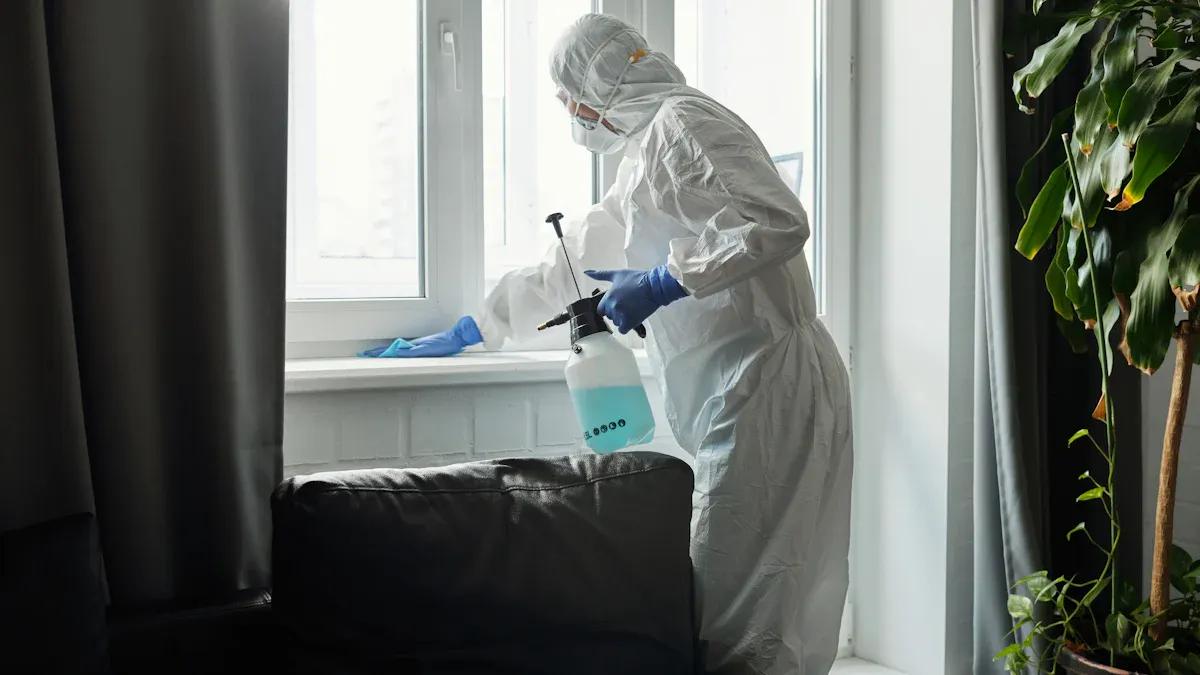
Healthcare facilities rely on medical disposable mops and microfiber disposable mopsystems to reduce infection risks. A disposable mop eliminates cross-contamination by using single-usedisposable mop heads and disposable mop pads.
- Mop Heads must be changed between rooms to prevent pathogen transfer.
- Hospitals use single-use cleaning solutions and color-coded equipment for added safety.
Key Takeaways
- Disposable Microfiber Mops greatly reduce infection risks by preventing cross-contamination between patient rooms withsingle-use pads.
- These mops remove up to 99% of bacteria and viruses, offering superior cleaning compared to reusable mops that can harbor harmful microbes even after washing.
- Using disposable mops saves time and money by eliminating laundering, improving staff safety, and supporting strict hospital hygiene standards.
Risks of Reusable Mops in Healthcare
Cross-Contamination Hazards
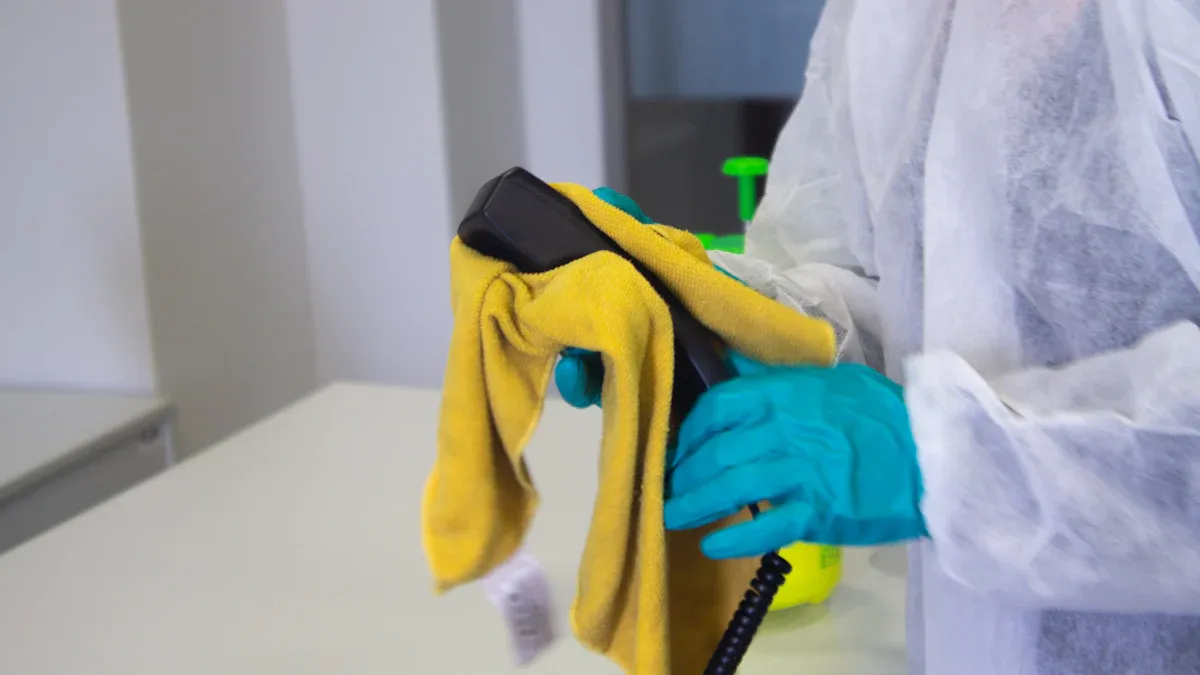
Reusable mops present a significant risk of spreading pathogens in healthcare environments. Even after laundering, these mops often retain dangerous microbes, including MRSA and Clostridioides difficile. Studies show that laundered microfiber mops can still harbor healthcare-associated infection (HAI) pathogens, with nearly 27% of newly laundered mops from hospitals testing positive for contamination. Surfaces near patients, such as bed rails, can become reservoirs for bacteria like Vancomycin-resistant Enterococci (VRE), which reusable mops may transfer from one area to another.
Note: Hygiene audits reveal that reusable microfiber mops remove only about 68% of microbes, while disposable microfiber pads achieve up to 95% removal. This difference highlights the increased risk of cross-contamination when facilities rely on reusable systems.
Improper cleaning practices, such as infrequent changing of mop heads or disinfectant solutions, further increase the risk. If staff do not change disinfectant solutions regularly, mopping can spread heavy microbial contamination across multiple rooms. Inadequate protocols and equipment choices can contribute to the spread of HAIs.
Cleaning and Maintenance Limitations
Maintaining reusable mops requires strict adherence to high-temperature laundering and drying protocols. Staff must wash mop pads at temperatures of at least 160°F for 25 minutes and dry them at 140°F to ensure disinfection. However, frequent washing physically deteriorates the microfiber structure, reducing the mop’s ability to trap and remove particles and microbes. Over time, this damage leads to diminished cleaning performance.
- Laundering processes often leave residual disinfectants and detergents trapped in mop fibers, which can interfere with cleaning efficacy.
- Physical deterioration from repeated washing reduces the sorbency and scrubbing power of mop pads.
- Maintenance is time-consuming and requires dedicated space and resources.
- Improper reprocessing, such as inadequate drying or failure to follow manufacturer instructions, can lead to recontamination.
Reusable mops also require careful separation of clean and dirty areas, proper use of personal protective equipment, and regular monitoring. Without these measures, facilities risk compromising infection control and patient safety. Disposable mop pads eliminate many of these challenges by providing consistent cleanliness and reducing the risk of spreading bacteria.
Infection Control Advantages of Microfiber Disposable Mop
Superior Pathogen Removal
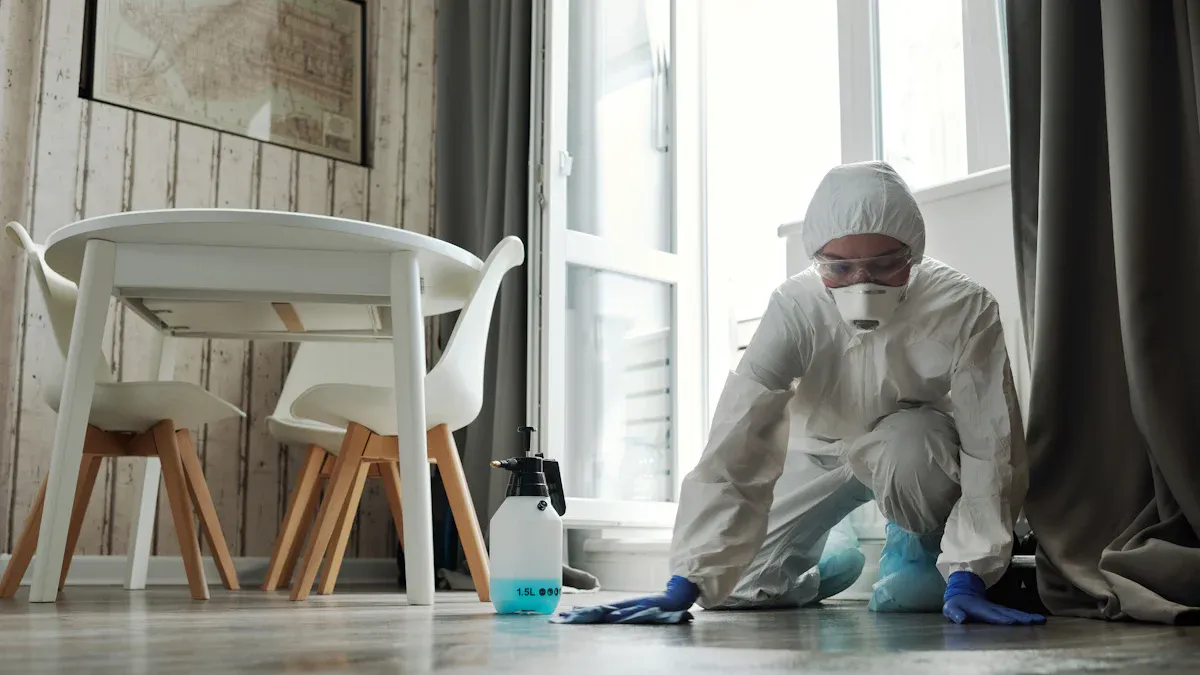
Microfiber disposable mop pads deliver exceptional pathogen removal in healthcare environments. Their densely packed synthetic fibers create a large surface area that traps microscopic particles, including bacteria and viruses, more effectively than traditional cotton or sponge mops. Comparative studies show that microfiber mops remove approximately 95-98% of microbes from surfaces, while cotton mops only achieve about 68%. This significant difference means that a microfiber disposable mop can help reduce the risk of hospital-acquired infections by removing more harmful organisms from patient areas.
Laboratory research supports these findings. Ultramicrofibre cloths, which share similar properties with microfiber disposable mop pads, have demonstrated near-complete removal of pathogens such as MRSA, Acinetobacter, K. oxytoca, and C. difficile spores from hospital surfaces. These results highlight the superior cleaning performance of microfiber materials in both laboratory and real-world settings. The single-use design of a microfiber disposable mop ensures that pathogens do not transfer between rooms, further reducing cross-contamination risks.
Note: Microfiber disposable mop pads maintain consistent cleaning performance without the degradation seen in reusable mop pads after repeated laundering.
Integration with Infection Control Protocols
Hospitals and clinics have integrated microfiber disposable mop pads into their infection control protocols to support strict hygiene standards. These pads play a vital role in ensuring that floors and surfaces are not only visibly clean but also hygienically safe. Staff change pads after cleaning each patient room, which prevents cross-contamination and aligns with best practices recommended by health authorities.
- Color-coded pads help staff comply with hygiene guidelines for different hospital areas.
- Microfiber disposable mop pads remove over 99.7% to 99.99% of viruses and bacteria, contributing to a reported 20% reduction in C. difficile infections.
- The Centers for Disease Control and Prevention (CDC) recommends regular cleaning and frequent replacement of mop heads, supporting the use of disposable options to minimize contamination.
- Staff can quickly attach a new pad for each room, eliminating the need for laundering and saving time.
- Hospitals benefit from improved efficiency, as cleaning with microfiber disposable mop pads can reduce the time needed to clean multiple rooms.
Hospitals that use microfiber disposable mop pads meet strict hygiene standards and support updated protocols that discourage the use of reusable mops due to contamination risks.
Supporting Hand Hygiene and PPE
Microfiber disposable mop pads also support hand hygiene and personal protective equipment (PPE) compliance among healthcare staff. Their single-use design ensures a fresh, uncontaminated cleaning surface for each room, which reduces the risk of cross-contamination. Studies show that these pads can remove up to 98% of bacteria and 93% of viruses using only water, lowering the microbial load on hospital surfaces.
- Staff use a new microfiber disposable mop pad for each room, which aligns with infection control policies and supports hand hygiene compliance.
- The practice of changing pads per room prevents the transfer of contaminants, creating a safer environment for both staff and patients.
- Disposable pads are compatible with hospital-grade disinfectants, enhancing their effectiveness in infection prevention.
- Improved workflow efficiency and simplified cleaning protocols help staff maintain consistent hygiene standards, indirectly promoting overall compliance with hand hygiene and PPE use.
Using microfiber disposable mop pads reduces environmental reservoirs of infection, making it easier for healthcare workers to maintain proper hand hygiene and PPE practices.
Practical and Economic Benefits
Cost-Effectiveness and Savings
Hospitals often face high costs related to infection control and cleaning. Disposable mop heads may seem more expensive at first, but they help facilities save money over time. Hospitals avoid the ongoing expenses of laundering reusable mops and reduce the labor needed for maintenance. Lower infection rates also mean fewer resources spent on treating healthcare-associated infections. Facilities that switched to disposable microfiber mop systems reported floors up to 80% cleaner and saw a significant drop in infections like C. difficile. These improvements lead to better patient outcomes and substantial long-term savings.
Disposable microfiber mop pads also reduce environmental impact by cutting water and chemical use, since they do not require laundering. Manufacturers now use recycled materials to make these pads, further lowering their carbon footprint.
Staff Safety and Efficiency
Disposable mop systems improve cleaning staff safety and efficiency. Staff no longer spend time washing, drying, or storing reusable mop heads. This time savings allows them to focus on critical cleaning tasks. Workflows become more streamlined, and staff experience less physical strain. Disposable mops also reduce cross-contamination risks, making it easier for staff to meet health and safety standards.
- Staff productivity increases due to simplified cleaning routines.
- Touchless handling systems lower the risk of exposure to contaminants.
- Reduced labor intensity supports staff well-being.
Compliance and Accreditation Support
Healthcare facilities must meet strict infection control standards. Disposable mops support compliance by preventing cross-contamination and ensuring effective surface disinfection. Pre-saturated mop covers and touchless systems help staff follow protocols. Proper disposal of used mop heads into sealed containers prevents recontamination. Regular training and documentation make it easier for facilities to pass audits and inspections from organizations like the FDA and ISO.
| Compliance Benefit | Disposable Mop System Feature |
|---|---|
| Prevents cross-contamination | Single-use design |
| Ensures effective disinfection | Pre-saturated covers with disinfectant |
| Reduces user contact | Touchless handling systems |
| Supports audit readiness | SOPs and thorough documentation |
Disposable mops, especially microfiber disposable mop options, provide reliable protection for staff and patients.
- They reduce cross-contamination by ensuring each room receives a fresh, hygienic cleaning pad.
- Staff efficiency improves with quick pad changes, while infection risks decrease.
| Benefit | Impact |
|---|---|
| Bacterial reduction | Up to 99% with microfiber disposable mop |
| Cost-effectiveness | Significant savings and fewer infections |
FAQ
What makes microfiber disposable mops better for infection control?
Microfiber disposable mops trap and remove more bacteria and viruses than traditional mops. Their single-use design prevents cross-contamination between patient rooms.
How should staff dispose of used disposable mop pads?
Staff should place used mop pads in designated sealed containers. This process prevents the spread of pathogens and supports hospital infection control protocols.
Are disposable mops environmentally friendly?
Many manufacturers use recycled materials for disposable mop pads. These products also reduce water and chemical use because they do not require laundering.
