

 Send Email
 whatsapp


How Hospital Curtains Promote Infection Prevention in Hospitals in 2025
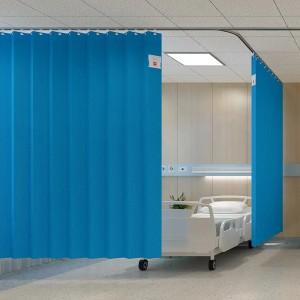
hospital curtains in 2025 serve as critical barriers against pathogens. Facilities usingdisposable medical curtains and antimicrobial curtains report fewer outbreaks, especially in high-risk areas. Advanced medical curtains, such as the icu partition curtain, achieve a 99.9% reduction in pathogens, making any curtain in hospital settings essential for infection prevention.
Key Takeaways
- Hospital curtains are essential for infection prevention, acting as barriers against harmful pathogens like MRSA and C. diff.
- Using antimicrobial and disposable curtains significantly reduces the risk of cross-contamination, enhancing patient safety in high-risk areas.
- Regular cleaning and replacement of hospital curtains are crucial to maintaining hygiene and preventing healthcare-associated infections.
Hospital Curtains and Infection Risks in Healthcare Settings
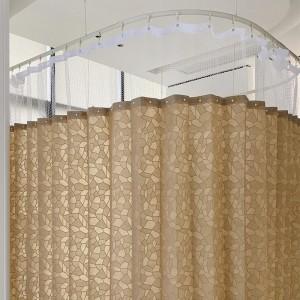
Common Pathogens and Transmission in Hospitals
In 2025, hospitals face persistent threats from pathogens such as Clostridium difficile (C. diff). This bacterium spreads rapidly through environmental surfaces and direct contact between patients. Research shows that C. diff moves between surfaces and individuals at rates much higher than previously understood. Hospital environments also see frequent contamination with multi-drug resistant organisms like MRSA and VRE. Studies reveal that Privacy Curtains become contaminated quickly, with 34% showing MRSA and 8% VRE in one survey. Within a week, 92% of curtains tested positive for pathogens, and by day 14, nearly 88% harbored MRSA. These findings highlight the urgent need for effective infection control strategies in patient areas.
The Importance of Hospital Curtains in Patient Areas
Hospital curtains play a vital role in reducing cross-contamination between patients. They act as physical barriers, limiting the spread of bacteria and viruses. Studies have linked privacy curtains to outbreaks of carbapenem-resistant Acinetobacter baumannii and group A streptococcus, identifying them as reservoirs for harmful microbes.
- Privacy curtains are high-contact surfaces that often remain uncleaned, increasing the risk of transmission.
- Antimicrobial textiles and advanced curtain technologies help lower microbial loads, supporting overall infection control.
- Decontamination methods such as hydrogen peroxide and sodium hypochlorite prove effective in reducing bacteria on curtain surfaces.
Hospitals using advanced curtain technologies report improved hygiene, cost efficiency, and enhanced patient safety. Hand shield curtains, for example, minimize exposure to contaminated surfaces and reduce the risk of hospital-acquired infections. These innovations eliminate the need for frequent laundering, saving resources and protecting vulnerable patients.
Types and Technologies of Hospital Curtains in 2025
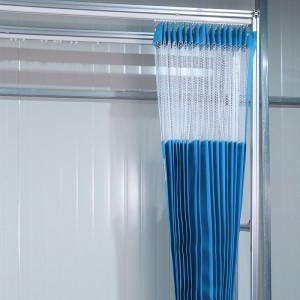
Antimicrobial Hospital Curtains
Antimicrobial hospital curtains have become a standard in modern healthcare environments. These curtains use advanced coatings and infused agents, such as silver ions or copper oxide, to actively resist the growth of bacteria and other pathogens. Hospitals often select these curtains for high-risk areas, including intensive care units and surgical suites, where maintaining a sterile environment is critical.
Regulatory agencies now require antimicrobial surface treatments in patient care areas. The Joint Commission International and CMS have updated their standards, emphasizing the importance of environmental hygiene. Antibacterial curtains must meet ISO 20743 and AATCC 100 standards to ensure compliance.
Scientific studies demonstrate the effectiveness of antimicrobial coatings. The following table compares colony-forming units (CFU) found on uncoated and coated curtain fabrics using two different testing methods:
| Method | Uncoated Fabric CFU | Coated Fabric CFU |
|---|---|---|
| Swabbing (Method 1) | 16 | 39 |
| Sonicating (Method 2) | 132 | 0 |
This data shows that coated fabrics, especially when tested with sonication, can eliminate detectable bacteria, supporting their use in infection prevention. Hospitals benefit from reduced microbial loads, which lowers the risk of hospital-acquired infections.
Disposable Hospital Curtains and the Esun Example
Disposable hospital curtains have gained popularity due to their single-use design, which minimizes the risk of cross-contamination. Healthcare providers often choose these curtains for high-traffic and high-risk areas, such as emergency departments and operating rooms. Disposable curtains, like the Esun Disposable Cubicle Curtains, use lightweight, non-woven, and breathable materials treated with antimicrobial agents. These features ensure both hygiene and patient comfort.
- Disposable curtains significantly reduce cross-contamination risks, making them ideal for surgical and intensive care units.
- Clinical studies show that single-use polyethylene curtains can lower cross-contamination by up to 40%.
- Reusable curtains require strict cleaning protocols and may harbor pathogens if not maintained properly.
The Esun Disposable Cubicle Curtains stand out for their 100% recyclable polypropylene fabric, customizable sizes, and compliance with international fire safety standards. Pre-fitted hooks allow for quick installation and replacement, streamlining hospital operations. The disposable nature of these curtains eliminates laundering, reducing operational costs and the risk of infection.
| Aspect | Disposable Curtains | Reusable Curtains |
|---|---|---|
| Immediate Cost Advantage | Yes | No |
| Overall Lifecycle Costs | Higher | Lower |
| Environmental Impact | Significant | Lower |
| Sustainability Pressure | Increasing | N/A |
Hospitals must balance infection control with environmental responsibility. As regulations around plastic waste tighten, manufacturers like Esun invest in sustainable materials and production methods. Growing consumer awareness continues to drive innovation in eco-friendly hospital curtains.
Advanced Fabrics and Smart Hospital Curtains
The latest advancements in hospital curtain technology focus on smart features and high-performance fabrics. Manufacturers now use nanotechnology, metal nanoparticles, and photodynamic antimicrobial surfaces to enhance infection prevention.
| Technology Type | Description | Impact on Infection Prevention |
|---|---|---|
| Antimicrobial Agents | Curtains infused with silver ions or copper oxide. | Reduces bacterial contamination by up to 94%. |
| Nanotechnology Applications | Longer-lasting antimicrobial properties with breathable fabrics. | Improves durability and infection control. |
| Photodynamic Antimicrobial Surfaces | Surfaces activate under ambient light, achieving 99.9% microbial reduction in trials. | Significantly reduces microbial presence. |
| IoT-Enabled Smart Curtains | Curtains monitor contamination levels and alert staff for replacement. | Reduces infection risks in ICUs by up to 25%. |
| Metal Nanoparticles | Incorporation of silver and TiO₂ nanoparticles for enhanced protection. | Increases antimicrobial effectiveness. |
Smart hospital curtains now feature sensors that monitor contamination and alert staff when replacement is necessary. Clinical trials of antimicrobial coatings, such as MAP-1, have shown a 96.8% reduction in total viable bacteria and a 99.3% reduction in MRSA on coated curtains. These innovations help hospitals maintain cleaner environments and respond quickly to potential infection risks.
Hospitals face challenges in adopting these advanced technologies, including higher costs and the need for continuous innovation. Compliance with regulatory standards remains essential to ensure patient safety and avoid penalties.
The integration of smart fabrics and IoT technology marks a new era for hospital curtains, combining infection prevention with operational efficiency.
Best Practices for Hospital Curtain Maintenance and Infection Control
Cleaning and Disinfection Protocols
Routine cleaning and disinfection of hospital curtains play a vital role in infection prevention. Curtains often become contaminated with bacteria such as MRSA within two weeks of use. Healthcare facilities that neglect curtain hygiene see higher rates of healthcare-associated infections (HAIs). To maintain a safe environment, hospitals should:
- Schedule regular professional cleaning for all curtains.
- Include curtain cleaning in the overall infection control strategy.
- Use disinfectants proven effective against common hospital pathogens.
- Remove and replace curtains immediately after visible soiling or high-risk exposure.
Regular cleaning of curtains reduces the risk of cross-contamination among patients and staff. Poorly maintained curtains can contribute to outbreaks, especially in high-risk areas.
Replacement Schedules and Monitoring
Establishing clear replacement schedules ensures that curtains do not become reservoirs for harmful microbes. The frequency of cleaning and replacement depends on the area of use and patient risk level. Current guidelines recommend the following:
- Standard Patient Rooms and General Wards: Clean every one to three months.
- Intensive Care Units (ICUs): Clean every two to four weeks or after patient discharge.
- Emergency Rooms (ERs): Clean every two to four weeks or after high-risk exposure.
- Operating Rooms and Isolation Units: Clean after each surgical procedure or patient discharge.
- Maternity and Pediatric Wards: Clean every one to two months, with increased frequency for high-risk cases.
Disposable curtains should be replaced every three to six months. Staff must use gloves when handling curtains and dispose of them in designated areas. Hospitals should also sanitize curtains before disposal to further reduce contamination risks.
Monitoring protocols help ensure compliance. Facilities should document each curtain change and maintain an adequate inventory to avoid delays in replacement.
Staff Training and Compliance
Proper staff training supports effective curtain maintenance and infection control. Healthcare workers must understand the risks associated with contaminated curtains and follow established protocols. Common mistakes in curtain maintenance can undermine infection prevention efforts. The table below highlights frequent errors:
| Common Mistakes in Curtain Maintenance | Description |
|---|---|
| Inadequate cleaning processes | Curtains are not cleaned properly, leading to contamination. |
| Lack of documentation for curtain changes | Failure to document changes can result in non-compliance with infection control protocols. |
| Insufficient inventory management | Not having enough curtains can delay replacements and cleaning. |
| Failure to adhere to laundering practices | Not following recommended laundering practices increases infection risks. |
Hospitals should provide regular training sessions and update staff on new protocols. Supervisors must monitor compliance and address gaps promptly. By fostering a culture of accountability, healthcare facilities can minimize infection risks associated with hospital curtains.
Hospital curtains serve as a frontline defense in infection prevention. Facilities that use advanced antimicrobial and disposable technologies report improved patient safety. The table below highlights key innovations:
| Innovation Type | Evidence |
|---|---|
| Patient Privacy | 89% of patients consider privacy curtains 'extremely important' for comfort and dignity. |
| Infection Control | Silver-ion-treated curtains reduced hospital-acquired infections by 18% at Mayo Clinic. |
| Environmental Impact | Biodegradable fabrics decompose within 6 months, addressing waste generation issues. |
Ongoing advancements in curtain design and management support safer, more sustainable healthcare environments.
FAQ
What makes Esun Disposable Cubicle Curtains effective for infection control?
Esun Disposable Cubicle Curtains use antimicrobial-treated, non-woven fabric. Hospitals can replace them easily, which helps reduce cross-contamination and supports strict infection prevention protocols.
How often should hospitals replace disposable curtains?
Hospitals should replace disposable curtains every three to six months. High-risk areas may require more frequent changes to maintain optimal hygiene and safety.
Are Esun Disposable Cubicle Curtains environmentally friendly?
Esun curtains use 100% recyclable polypropylene. This material supports sustainability goals and helps healthcare facilities reduce their environmental impact.
