

 Send Email
 whatsapp


How Microfiber Cleaning Cloth Outperforms Traditional Rags
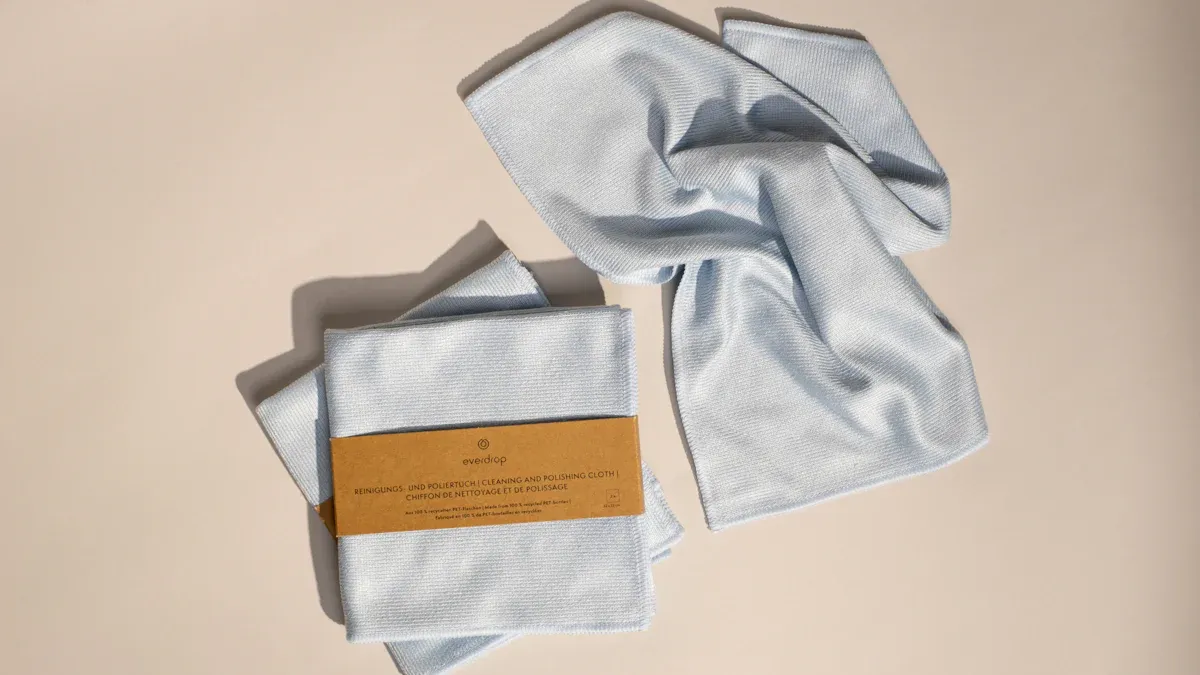
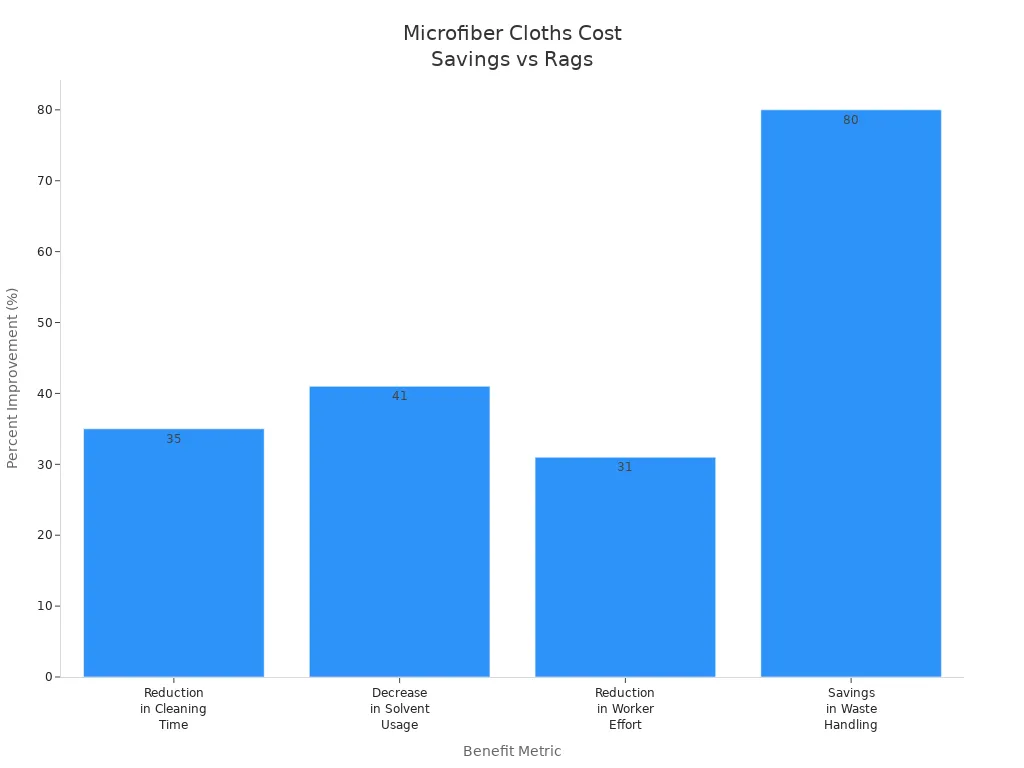
Microfiber Cleaning Cloth delivers superior cleaning by trapping more dirt and bacteria than traditional rags. Studies show these cloths reduce cleaning time by up to 35% and solvent use by up to 41%. Workers report less effort and significant waste savings, as shown below:
| Metric | Microfiber Cloths Benefit Compared to Traditional Rags |
|---|---|
| Reduction in Cleaning Time | Up to 35% |
| Decrease in Solvent Usage | Up to 41% |
| Reduction in Worker Effort | Up to 31% |
| Savings in Waste Handling | Up to 80% |
A microfiber towel can withstand up to 500 washes, making it a more durable and cost-effective choice than a regular rag. Microfiber cloth provides long-term savings and ensures a cleaner, healthier environment.
Key Takeaways
- Microfiber cloths clean better than traditional rags by trapping more dirt, bacteria, and viruses with their ultra-fine fibers, reducing cleaning time and effort.
- These cloths last much longer—up to 1,500 washes—making them cost-effective and eco-friendly by cutting down waste, chemical use, and water consumption.
- Proper care, like washing in cold water and avoiding bleach, extends microfiber cloths’ life and keeps them safe for delicate surfaces without scratching or leaving lint.
Why Microfiber Cleaning Cloth Works Better
Microfiber Structure and Deep Cleaning Power
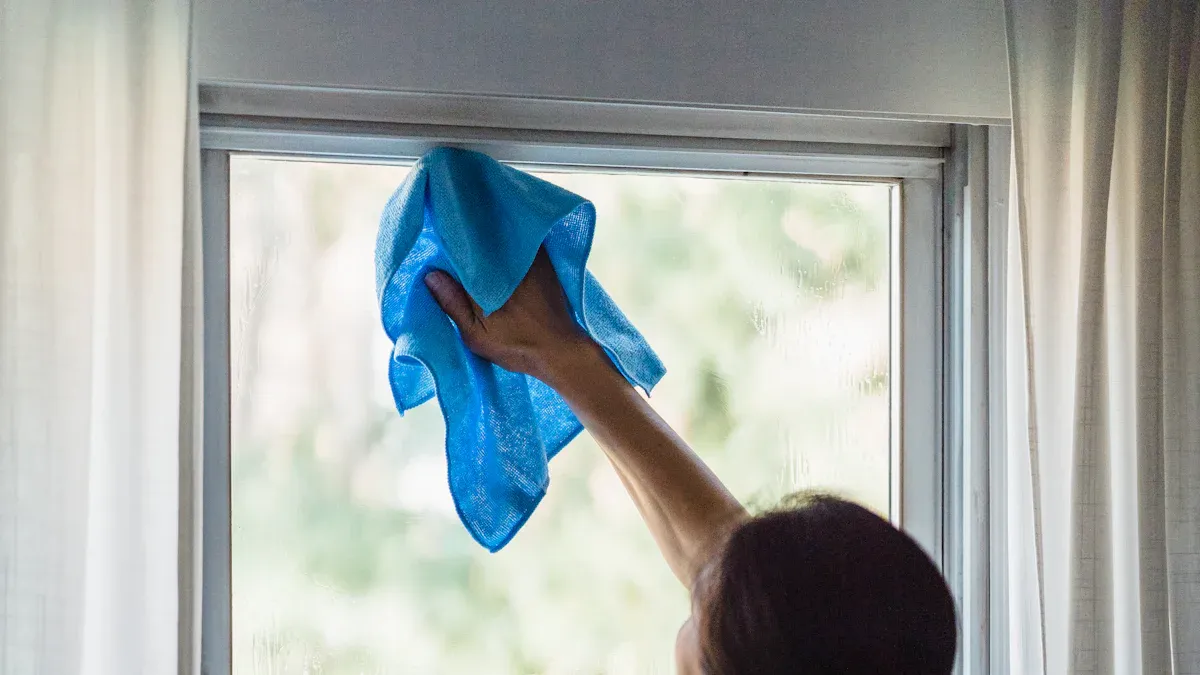
Microfiber Cleaning Cloth stands out due to its advanced fiber technology. Manufacturers create these cloths from a blend of polyester and nylon, producing fibers 10–50 times thinner than a human hair. Each fiber splits into even smaller strands, forming a star-like structure. This unique design increases the surface area and allows the cloth to reach into microscopic cracks and crevices that traditional rags cannot access.
- The fine fibers, measuring as little as 0.33 microns in diameter, penetrate deep into surfaces.
- The star-shaped structure creates tiny hooks that mechanically trap dirt, dust, and bacteria.
- The blend of polyester and nylon provides both resilience and the ability to scrape away stubborn debris.
- Microfiber Cleaning Cloth absorbs up to 98% of moisture, outperforming cotton cloths, which absorb about 70%.
The combination of these features enables the cloth to clean more thoroughly and efficiently. The millions of microfibers generate enough adhesive force to attract and hold contaminants, reducing the need for repeated scrubbing.
Tip: The dense weave and split fibers of microfiber cloths make them ideal for cleaning delicate surfaces without scratching or leaving lint behind.
Superior Dirt, Dust, and Bacteria Removal
Laboratory studies consistently show that microfiber cloths remove more dirt, dust, and bacteria than traditional rags. The extremely fine fibers use van der Waals forces to attract and hold microscopic particles. In controlled tests, microfiber cloths with fibers as small as 0.37 micrometers in diameter removed up to 98% of bacteria and 93% of viruses from surfaces using only water. In contrast, traditional cotton rags removed only about 30% of bacteria and 23% of viruses.
Microfiber Cleaning Cloth not only traps more contaminants but also prevents their transfer back onto surfaces. The cloth absorbs up to seven times its weight in water, ensuring efficient cleaning and quick drying. Its lint-free nature leaves surfaces streak-free, making it suitable for glass, mirrors, and electronics.
- Microfiber cloths reduce the risk of recontamination by holding onto debris and microbes.
- The cloths maintain effectiveness after many washes, resisting bacterial growth and fiber breakdown.
- Healthcare, hospitality, and automotive industries rely on microfiber for its superior cleaning and hygiene performance.
Less Chemical and Water Usage
Microfiber Cleaning Cloth offers significant environmental and health benefits by reducing the need for chemical cleaners. The electrostatic properties of the fibers attract dirt and microorganisms, allowing effective cleaning with just water. This feature benefits sensitive surfaces and reduces chemical exposure for users.
- Microfiber cloths clean efficiently without chemical agents, lowering overall chemical consumption.
- The reduction in chemical use supports environmental protection and improves indoor air quality.
- The cloths require less water for rinsing and cleaning, contributing to resource conservation.
Note: Using microfiber cloths aligns with sustainable cleaning practices and supports healthier indoor environments by minimizing chemical emissions and waste.
Microfiber Cleaning Cloth vs. Traditional Rags
Cleaning Effectiveness and Surface Safety
Microfiber Cleaning Cloth consistently outperforms traditional rags in cleaning effectiveness. Scientific studies in healthcare environments show that microfiber cloths remove up to 98% of bacteria and 93% of viruses from surfaces using only water. In contrast, traditional cotton rags achieve only 30% and 23% removal rates, respectively. The table below highlights these differences:
| Cleaning Material | Bacteria Removal (%) | Virus Removal (%) |
|---|---|---|
| Microfiber Cloths | Up to 98 | Up to 93 |
| Traditional Cotton Rags | 30 | 23 |
Microfiber cloths use ultra-fine synthetic fibers that trap dirt and microbes without scratching surfaces. Hospitals and laboratories rely on them for hygienic cleaning of glass, electronics, and furniture. Cotton rags, while soft and gentle, may suit extremely delicate surfaces but lack the same cleaning power.
Absorbency, Streak-Free Results, and Durability
Laboratory tests confirm that microfiber cloths absorb up to seven times their weight in liquid, outperforming most cotton rags. Their lint-free design ensures streak-free results, especially on glass and screens. Users report that microfiber cloths maintain cleaning performance after hundreds of washes, while cotton rags degrade faster and often leave lint behind.
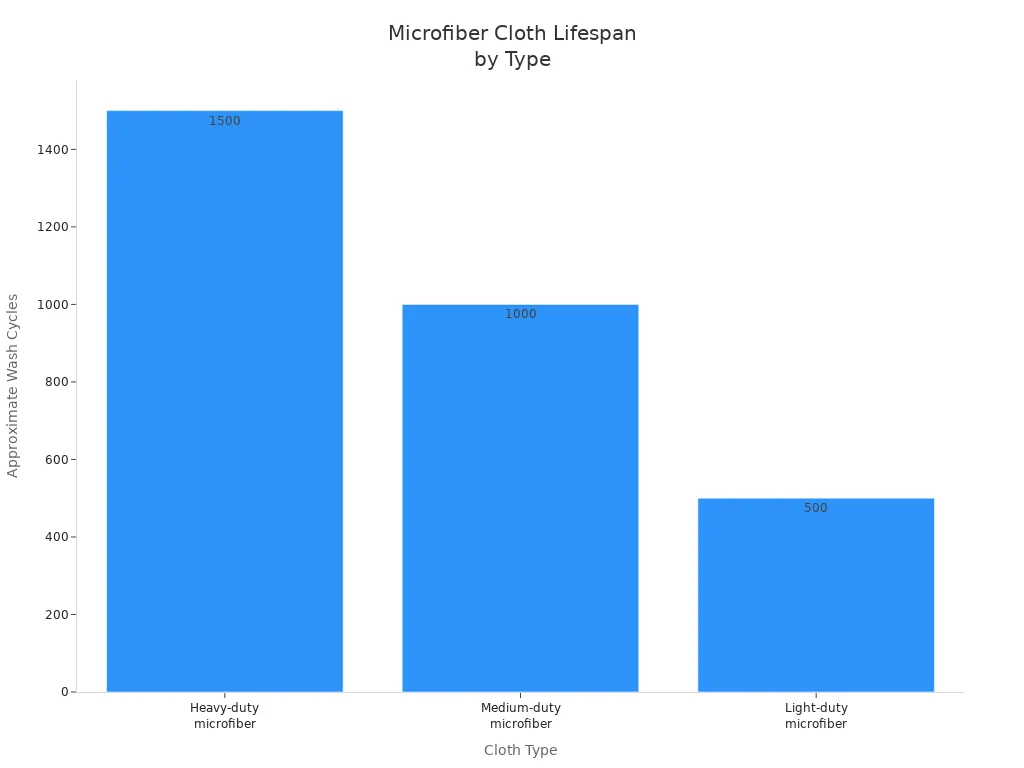
| Cloth Type | Approximate Wash Cycles | Durability Notes |
|---|---|---|
| Heavy-duty microfiber | ~1500 | High durability, commercial use |
| Medium-duty microfiber | ~1000 | Multipurpose, frequent cleaning |
| Light-duty microfiber | ~500 | Daily dusting, shorter lifespan |
| Traditional cotton | ~200 | Less durable, frequent replacement needed |
Environmental Impact and Maintenance Tips
Microfiber cloths reduce chemical and water use, supporting eco-friendly cleaning. Their long lifespan means less waste compared to disposable products. However, microfiber production uses synthetic fibers, which can shed microplastics during washing. Cotton rags, while biodegradable, require significant water and pesticides during cultivation. To extend the life of microfiber cloths, experts recommend:
- Wash in cold or lukewarm water with mild detergent.
- Avoid bleach, fabric softeners, and high heat.
- Air dry or use low heat settings.
- Sort by fabric type and color to prevent damage.
- Use color-coded cloths to avoid cross-contamination.
Proper care can extend microfiber cloth lifespan up to 1,000 washes, making them a cost-effective and sustainable choice.
Microfiber Cleaning Cloth consistently delivers superior cleaning and hygiene.
- The unique fiber structure traps dirt and bacteria, reducing chemical exposure and supporting a healthier home.
- These cloths remove viruses and bacteria more effectively than traditional options.
| Benefit | Microfiber Cloths | Traditional Rags |
|---|---|---|
| Lifespan (uses) | 500–1500 | 200 |
| Chemical Use | Minimal | High |
| Labor Efficiency | High | Low |
Switching to microfiber offers a smart, eco-friendly, and cost-effective solution.
FAQ
How often should someone wash a microfiber cleaning cloth?
Experts recommend washing microfiber cloths after each use. This practice maintains cleaning effectiveness and prevents the buildup of dirt or bacteria.
Can microfiber cloths scratch delicate surfaces?
Microfiber cloths feature ultra-fine fibers. These fibers clean glass, screens, and other delicate surfaces without causing scratches or leaving lint.
What is the best way to store microfiber cleaning cloths?
Store microfiber cloths in a dry, clean container. Use color-coded bins or bags to prevent cross-contamination and maintain hygiene.
