

 Send Email
 whatsapp


Why Disposable Mops Are Ideal for High-Risk Cleaning Environments

High-risk cleaning environments face persistent threats from cross-contamination. Surfaces such as toilet countertops show positivity rates as high as 85.71%, while air samples reach 71.67%. 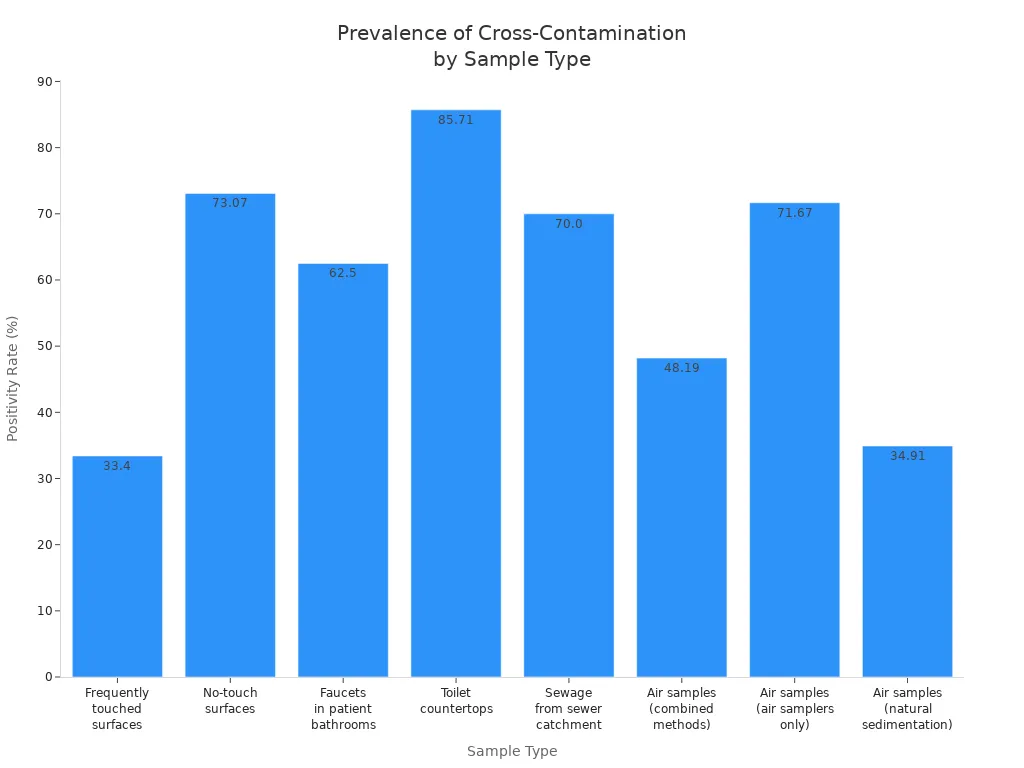
A disposable mop, includingmedical disposable mops and disposable mop pads, offers a practical solution. Disposable Floor Mop systems and Microfiber Disposable Mop products help limit pathogen spread.
Key Takeaways
- Disposable mops prevent the spread of harmful germs by providing a clean, single-use surface for each cleaning task, which is vital in hospitals and labs.
- Using disposable mop pads improves cleaning consistency and reduces infection risks compared to reusable mops that can carry microbes between areas.
- Disposable mop systems save time and effort by eliminating laundry needs, support health regulations, and protect both staff and occupants in high-risk environments.
The Role of Disposable Mop in High-Risk Cleaning Environments
Unique Challenges in High-Risk Settings
High-risk cleaning environments demand strict hygiene and present unique obstacles. Facilities such as sterile cleanrooms, compounding pharmacies, and pharmaceutical manufacturing areas require advanced cleaning protocols. These settings often include:
- Sterile cleanrooms classified as ISO5 Class 100 or stricter
- Aseptic environments like compounding pharmacies needing lint-free, non-shedding mop covers
- Isolator hoods and hard-to-reach areas in laboratory cleanrooms
- Health-hazardous zones in pharmaceutical manufacturing
- Controlled environments in the pharmaceutical industry
Traditional cleaning methods struggle to meet these demands. Studies reveal that manual cleaning misses up to half of targeted touchpoints, leaving many surfaces improperly disinfected. Staff turnover and human error further complicate infection control. The following table highlights common challenges:
| Challenge | Description | Impact on Infection Control |
|---|---|---|
| Missed touchpoints | Up to 50% of surfaces overlooked during manual cleaning | Increased infection risk |
| Insufficient disinfection | 40% of cleaned surfaces may not be properly disinfected | Pathogens persist |
| High staff turnover | Frequent personnel changes disrupt training and protocols | Inconsistent cleaning quality |
| Human error | Mistakes in disinfectant use and coverage | Reduced effectiveness |
Why Specialized Cleaning Solutions Are Essential
Pathogens such as MRSA, VRE, and norovirus can survive on surfaces for extended periods, increasing infection risks. Standard cleaning tools and reusable mops often fail to remove all microbial contamination. Cleaning equipment itself can become a source of contamination if not properly maintained. A disposable mop addresses these issues by providing a single-use, high-absorbency solution that traps dust, microbes, and contaminants. This approach prevents cross-contamination and supports infection control protocols. Specialized cleaning solutions, including disposable mop systems, ensure that high-risk, frequently touched surfaces receive targeted, validated cleaning. Facilities benefit from risk-based cleaning regimens and microbiological benchmarks that go beyond visual inspection, ensuring a safer environment for staff and occupants.
How Disposable Mop Improves Safety and Hygiene

Preventing Cross-Contamination
High-risk environments such as hospitals, cleanrooms, and laboratories face constant threats from cross-contamination. Disposable mop systems play a crucial role in breaking the chain of pathogen transfer between different rooms or zones. Unlike traditional reusable mop heads, which can carry microbes from one area to another, single-use microfiber mop pads provide a fresh, uncontaminated surface for each cleaning task. This approach addresses a major challenge in healthcare and pharmaceutical settings.
- Disposable microfiber mop pads prevent the transfer of pathogens between rooms, supporting strict infection control.
- Traditional reusable mop heads often spread microbes, increasing the risk of cross-contamination.
- Microfiber material captures and holds microbes more effectively than conventional mop fibers.
- Disposable mop pads are especially important in sensitive areas such as isolation rooms, intensive care units, and operating rooms.
- Incorporating disposable mop pads into cleaning protocols enhances hospital hygiene standards and supports infection control.
- Although disposable pads may have a higher upfront cost, they help reduce hospital-acquired infections and related expenses.
- Staff efficiency improves with disposable mop pads, as quick replacement ensures consistent use of clean tools and reduces exposure to pathogens.
Tip: Facilities can further reduce cross-contamination by training staff to change mop pads between each room and by using color-coded systems for different zones.
Ensuring Consistent Cleanliness Standards
Switching from reusable to disposable mop systems leads to measurable improvements in cleanliness. Comparative studies show that disposable microfiber mop pads eliminate the risk of reusing contaminated mop heads, which can transfer microbes between areas. Each disposable pad starts uncontaminated, supporting strict hygiene protocols and reducing healthcare-associated infections (HAIs). This results in cleaner environments and better infection prevention.
Data from healthcare studies and CDC guidelines confirm that disposable microfiber mops reduce cross-contamination risks associated with laundering reusable mops. Laundering can damage fibers and leave residual contamination, but single-use disposable mops prevent the transfer of dirt, bioburden, and microbes back into the environment. This reduction in contamination correlates with lower HAI rates and improved patient satisfaction scores. Microbiology experts agree that disposable mops provide superior and consistent cleaning performance, raising hygiene standards in healthcare facilities.
| Cleaning System | Risk of Cross-Contamination | Cleaning Consistency | Impact on Infection Rates |
|---|---|---|---|
| Reusable Mop Heads | High | Variable | Higher |
| Disposable Mop Pads | Low | Consistent | Lower |
Protecting Staff and Occupants
Disposable mop systems not only protect patients and sensitive environments but also safeguard cleaning staff and other occupants. Studies highlight the importance of using single-use or daily laundered mop heads changed between patient rooms to prevent cross-contamination. Cleaning protocols recommend discarding mop water and replacing detergent solutions frequently to maintain cleaning efficacy.
Research shows that using disposable cleaning materials, such as color-coded wipes and mop pads, reduces healthcare-associated infections. While direct quantitative evidence linking disposable mops alone to reduced infection rates is limited, these products form part of broader cleaning strategies proven to lower pathogen transfer and contamination. Human factors engineering supports the use of disposable materials to enhance cleaning efficacy and reduce infection risk.
- Staff benefit from reduced exposure to pathogens due to the single-use nature of disposable mop pads.
- Quick and easy replacement of mop pads minimizes workload and supports compliance with cleaning protocols.
- Occupants experience safer environments with lower infection risks, contributing to overall well-being.
Note: Implementing disposable mop systems as part of a multimodal cleaning strategy maximizes protection for both staff and occupants in high-risk settings.
Practical and Cost-Effective Benefits of Disposable Mop
Convenience and Time Savings
Disposable mop systems streamline cleaning routines in high-risk environments. Staff no longer need to manage laundry contracts or spend hours washing and sterilizing mop heads. This shift reduces utility bills and eliminates the need for complex linen handling. Disposable microfiber mops also enable faster room turnover, which proves essential in busy healthcare and laboratory settings. Staff training becomes simpler, as workers only need to learn basic replacement procedures. Inventory control improves through bulk purchasing and digital tracking, which helps prevent shortages and lowers per-unit costs.
Compliance with Health Regulations
Facilities must meet strict hygiene standards set by regulatory agencies. Disposable mop systems support compliance by providing a fresh, uncontaminated cleaning surface for each use. This approach aligns with infection control protocols and reduces the risk of healthcare-associated infections. Disposable microfiber mops also help facilities document cleaning practices more easily, as each pad is single-use and traceable. Staff can focus on maintaining high standards without worrying about the effectiveness of laundering or the risk of cross-contamination.
Long-Term Value and Operational Efficiency
Cost analyses reveal important differences between disposable and reusable mop systems:
| Aspect | Disposable Mops | Reusable Mops | Notes |
|---|---|---|---|
| Cost Reduction | Baseline | 58% lower annual cost | Based on 22 case studies across cleanroom suppliers |
| Maintenance & Waste Management | Lower initial cost, ongoing disposal | Higher initial investment, lower waste | Reusable mops require laundering and sterilization |
| Operational Efficiency | Single-use, easy disposal | Cycling processed mops | Disposable systems emphasize waste reduction and time savings |
Recent life cycle assessments show that disposable microfiber mop pads can have a lower environmental impact than reusable alternatives. They avoid the energy and water use associated with laundering and benefit from advances in recycled materials. Responsible disposal and recycling programs further reduce their environmental footprint.
Disposable mop systems deliver superior protection in high-risk environments. Facilities report measurable gains:
- The O-Cedar Easy Wring Spin Mop and BISSELL PowerFresh Steam Mop both remove over 99% of bacteria, supporting strict hygiene.
- Premira Versa pads eliminate cross-contamination, maintain cleaning performance, and reduce chemical use.
Facilities seeking reliable infection control choose these solutions for safety and efficiency.
FAQ
What types of facilities benefit most from disposable mops?
Hospitals, cleanrooms, laboratories, and pharmaceutical plants gain the most from disposable mops. These environments require strict hygiene and frequent cleaning.
How often should staff replace disposable mop pads?
Staff should replace disposable mop pads after each room or zone. This practice helps prevent cross-contamination and maintains high cleanliness standards.
Are disposable mops environmentally friendly?
Many disposable mops use recycled materials. Facilities can reduce environmental impact by choosing products with eco-friendly certifications and following proper disposal guidelines.
