

 Send Email
 whatsapp


Why Microfiber Cleaning Cloths Are Perfect for Screen and Lens Cleaning
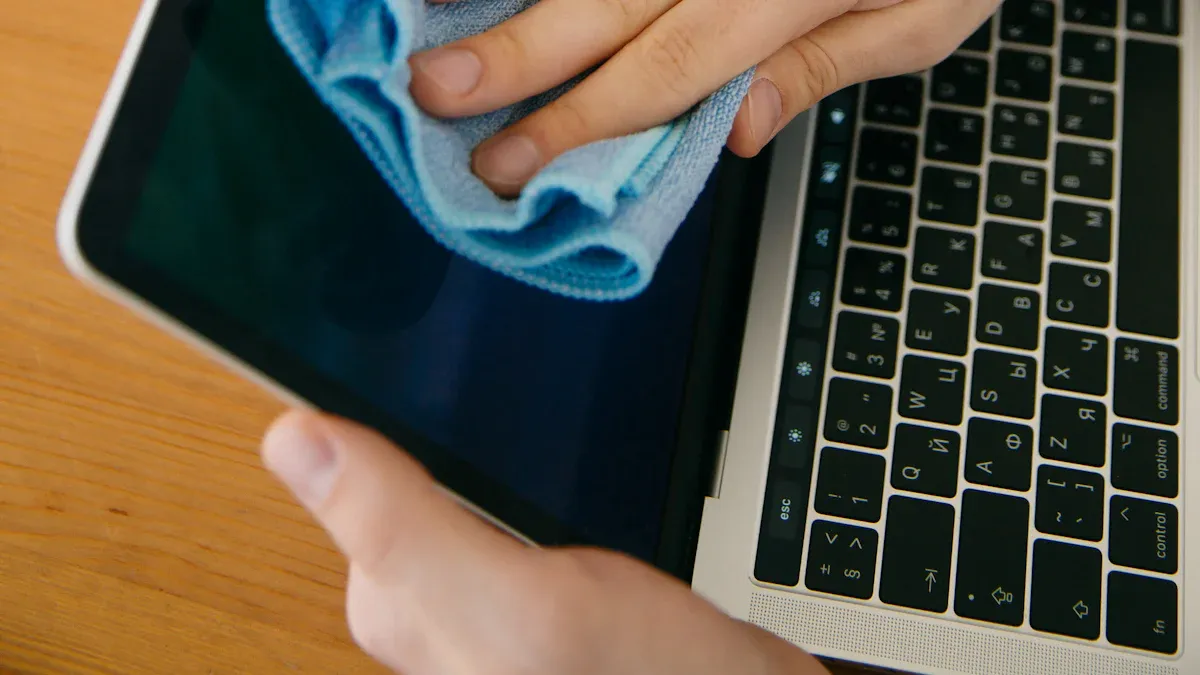
Microfiber towels and Microfiber Cloths offer a gentle yet effective solution for cleaning delicate surfaces. Their non-abrasive nature ensures that they do not scratch screens or lenses, making them perfect as amicrofiber screen cleaning cloth. These microfiber Cleaning Cloths possess unique properties that excel at removing dirt and oils, making them an ideal choice for maintaining clarity and cleanliness. Additionally, amicrofiber cloth for car detailing can help keep your vehicle's surfaces spotless. For those in need of quick drying options, a quick dry microfiber towel is also available to enhance your cleaning routine.
Key Takeaways
- Microfiber cloths are non-abrasive and safe for all types of screens, preventing scratches and maintaining clarity.
- These cloths excel at removing dirt and oils, often needing only water for effective cleaning, which reduces chemical use.
- Microfiber cloths are versatile and can clean various surfaces, making them a sustainable and cost-effective choice for both home and professional use.
Gentle on Surfaces
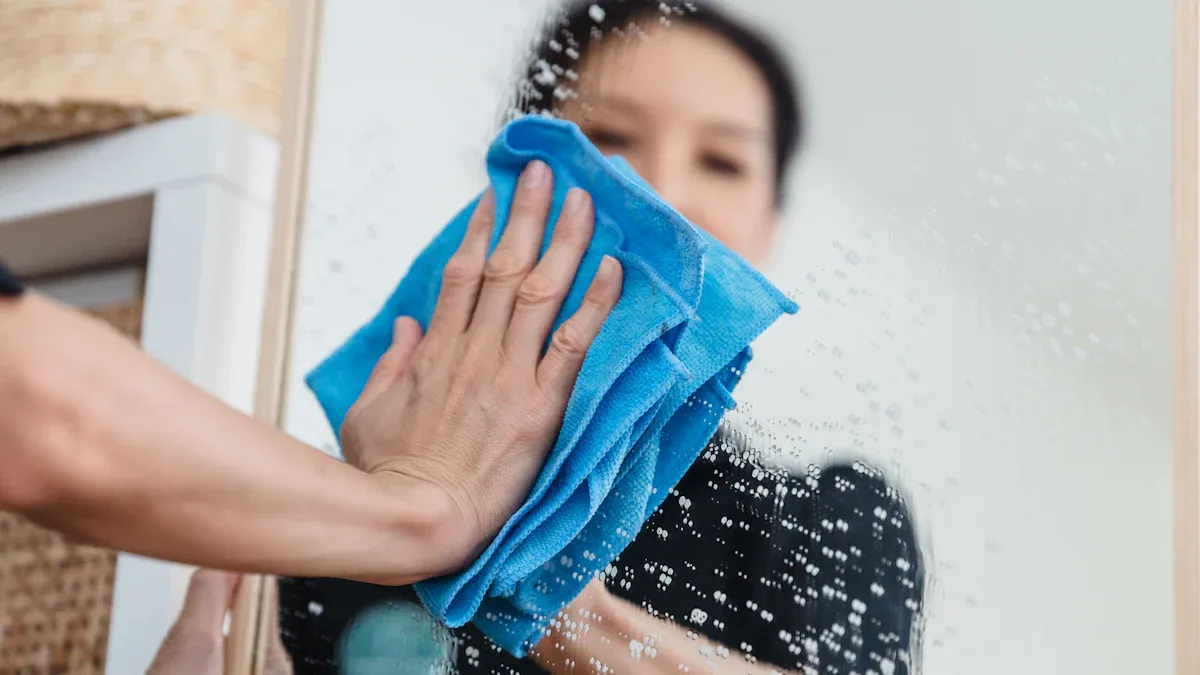
Non-Abrasive Microfiber Towel
Microfiber towels consist of ultra-fine fibers that trap dust, dirt, and oils effectively. Their unique structure allows them to clean without leaving behind lint or streaks. This feature is crucial for maintaining the clarity of delicate surfaces such as smartphone screens and camera lenses.
- Microfiber cloths are soft and non-abrasive, preventing scratches on sensitive lens coatings.
- The dense fibers absorb oils, fingerprints, and moisture efficiently, often allowing for effective cleaning with just a dry cloth or minimal water.
These properties make microfiber towels an excellent choice for anyone concerned about damaging their valuable devices.
Safe for All Types of Screens
Microfiber cloths are safe for use on all types of screens, including OLED, LCD, and touchscreens. Their gentle nature ensures that they do not scratch the screen surface.
- Experts recommend using purified water on the microfiber cloth instead of spraying directly on the screen.
- Gentle cleaning methods help avoid damage, supporting the safety of microfiber cloths on various screen types.
To maximize the effectiveness of microfiber cloths, users should follow best practices. For instance, hand washing the cloths preserves their quality, while separating fabrics during machine washing prevents fiber transfer. Regular cleaning of the cloths is essential to maintain their effectiveness.
| Mistakes to Avoid | Recommended Solutions |
|---|---|
| Household Cleaning Products (e.g., ammonia) | Use eyeglass cleaner specifically designed for lenses. |
| Beauty Products (e.g., micellar water) | Use a microfiber cloth for cleaning. |
| Tissues or rough fabrics | Use a microfiber cloth to prevent scratches. |
By avoiding common mistakes and utilizing microfiber towels correctly, users can ensure their screens and lenses remain in pristine condition.
Effective Cleaning Power
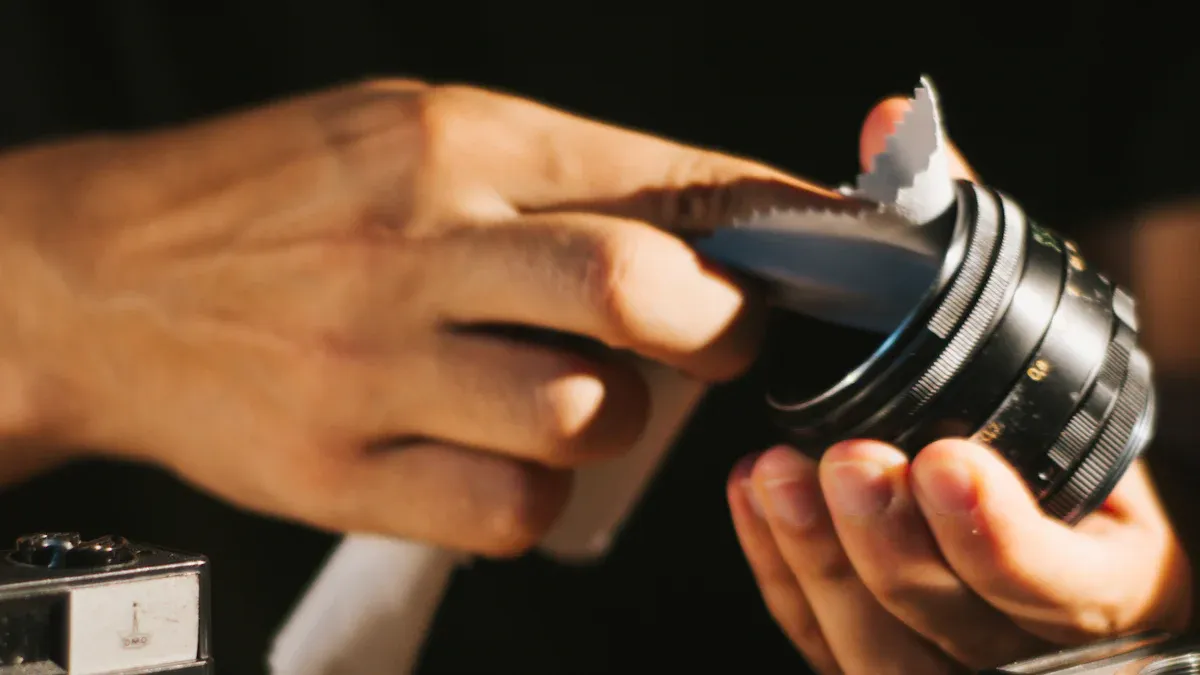
Superior Dirt and Oil Removal
Microfiber cloths excel at removing dirt and oils from screens and lenses, outperforming traditional cleaning materials. Their unique fiber structure allows them to capture particles as small as 0.15 microns, making them highly effective for cleaning delicate surfaces. Users consistently prefer microfiber cloths for their gentleness and cleaning ability.
- One user reported that using a microfiber towel with a small amount of water effectively removed dirt specks without leaving streaks.
- Research indicates that microfiber cloths can absorb up to seven times their weight in liquid, making them ideal for cleaning tasks. They can hold up to 98% of moisture, significantly outperforming cotton cloths, which absorb about 70%.
Microfiber cloths also trap dust, oils, and dirt due to their electrostatic properties. This prevents dirt from being scattered around during cleaning, ensuring a thorough clean. In contrast, traditional cloths often push dirt around, leaving streaks behind.
Microfiber cloths can remove up to 99% of bacteria from surfaces with just water, significantly outperforming regular cotton cloths, which only reduce bacteria by about 30%.
Streak-Free Finish
Achieving a streak-free finish is crucial when cleaning screens and lenses. Microfiber cloths provide an effective solution for this challenge. Their fine fibers glide across surfaces, lifting and trapping smudges without leaving lint or residue.
To ensure a streak-free result, users can follow these effective techniques:
- Turn Everything Off: Ensure the device is powered down to see dust and smudges clearly.
- Use a Microfiber Cloth: Opt for a clean microfiber cloth to avoid scratches and lint.
- Wipe Gently in Circles: Use gentle circular motions without applying too much pressure.
- Use a Screen-Safe Cleaner If Needed: For tougher spots, dampen the cloth with a suitable cleaner, avoiding direct spraying on the screen.
- Review and Dry: Follow up with a dry microfiber cloth to remove moisture and check for streaks.
These techniques help maximize the effectiveness of microfiber towels, ensuring that users achieve a pristine finish on their screens and lenses.
Eco-Friendly and Chemical-Free
Microfiber cleaning cloths stand out as an eco-friendly alternative to traditional cleaning products. Their design significantly reduces the need for chemical cleaners, making them a sustainable choice for environmentally conscious consumers.
Reduced Need for Cleaning Products
Using microfiber cloths often eliminates the necessity for additional cleaning agents. The unique fibers effectively capture dirt and oils, allowing users to clean surfaces with just water. This not only minimizes chemical exposure but also reduces waste associated with disposable cleaning products.
- Studies show that microfiber cloths outperform disposable wipes in terms of environmental sustainability.
- The production and laundering processes of microfiber cloths contribute to a lower environmental footprint compared to single-use options.
| Impact Category | Microfiber Cloths | Disposable Wipes |
|---|---|---|
| Carbon Footprint | Lower | Higher |
| Solid Waste | Lower | Higher |
Reusable and Sustainable Option
Microfiber cloths are designed for longevity. They can be reused for 300 to 500 washes before losing effectiveness. This durability makes them a cost-effective solution over time.
- Users appreciate that high-quality microfiber cloths can last significantly longer than traditional cleaning materials.
- Proper care, such as washing them separately and avoiding bleach, helps maintain their effectiveness.
In addition to their reusability, many microfiber cloths carry sustainability certifications. For example, the Nordic Swan Ecolabel ensures that products meet strict environmental standards.
- STeP Certification focuses on sustainable production conditions.
- The Global Recycled Standard (GRS) certifies the use of recycled materials in microfiber products.
By choosing microfiber cloths, consumers contribute to a cleaner environment while enjoying an effective cleaning solution.
Versatility Beyond Screens and Lenses
Microfiber cloths offer remarkable versatility, making them suitable for a wide range of surfaces beyond screens and lenses. Their unique properties allow them to clean effectively without causing damage, making them a preferred choice for various applications.
Suitable for Various Surfaces
Microfiber cloths can clean multiple surfaces, including:
- Glass: They leave windows and mirrors sparkling without streaks.
- Wood: Microfiber effectively captures dust and dirt without scratching the finish.
- Stainless Steel: They polish appliances, removing fingerprints and smudges effortlessly.
- Leather: Microfiber cloths clean and condition leather surfaces without causing harm.
The ability of microfiber to reach into surface pores and crevices enhances its cleaning power. This feature allows it to capture dirt and grime that traditional cloths often miss. Users appreciate the reduced need for water and cleaning chemicals, as microfiber can clean effectively with just a damp cloth.
Ideal for Home and Professional Use
Microfiber cloths are not only beneficial for home cleaning but also widely used in professional settings. Industries such as healthcare, education, and commercial cleaning rely on microfiber for its effectiveness. The benefits reported by professionals include:
- Enhanced cleaning power, as microfiber reaches into surface pores and crevices effectively.
- Reduced water and chemical usage, with microfiber mops using significantly less liquid than traditional mops.
- Increased productivity, eliminating the need for frequent solution changes.
- Reduced cross-contamination, as color-coded microfiber products help prevent misuse in different areas.
- Decreased risk of worker injury, as lighter microfiber mops are more ergonomic.
Consumer reviews also highlight the satisfaction with microfiber cloths in home applications. For instance, the Mr. Siga Microfiber Cleaning Cloths have received over 54,000 five-star reviews on Amazon, indicating high customer satisfaction. Similarly, the Amazon Basics Microfiber Cleaning Cloths boast more than 44,000 five-star ratings, showcasing positive consumer feedback.
Microfiber cloths provide a combination of safety, effectiveness, and eco-friendliness. They excel at cleaning delicate surfaces without scratches. Their unique properties allow for superior dirt and oil removal while reducing the need for harsh chemicals. Consider switching to microfiber towels for a versatile cleaning solution that benefits both your devices and the environment.
FAQ
What makes microfiber cloths better than traditional cleaning cloths?
Microfiber cloths trap dirt and oils more effectively, providing superior cleaning without scratching surfaces. They also require fewer chemicals for effective cleaning.
How should I care for my microfiber cloths?
Users should wash microfiber cloths separately in cold water. Avoid bleach and fabric softeners to maintain their effectiveness and longevity.
Can I use microfiber cloths on eyeglasses?
Yes, microfiber cloths are safe for eyeglasses. They clean lenses without scratching and effectively remove smudges and fingerprints.
