

 Send Email
 whatsapp


Microfiber Mops: The Secret to Streak-Free, Spotless Floors

Microfiber Mops excel in trapping dirt and dust, achieving impressive results as a top choice for afloor cleaning mop. Studies show that these floor mops can capture up to 99.9999999% of surface contamination, making them ideal for thorough cleaning. They deliver a streak-free finish on various floor types, enhancing the overall cleanliness of homes and offices. Using a microfiber mop and the right microfiber mop pad, along with an eco friendly mop pad, further amplifies their effectiveness.
Key Takeaways
- Microfiber mops capture up to 99.9999999% of dirt and dust, making them highly effective for cleaning floors.
- Using less water and fewer chemicals, microfiber mops are eco-friendly and help improve indoor air quality.
- To avoid streaks, always dry mop first, dampen the mop lightly, and use the right cleaning solution.
Benefits of Microfiber Mops
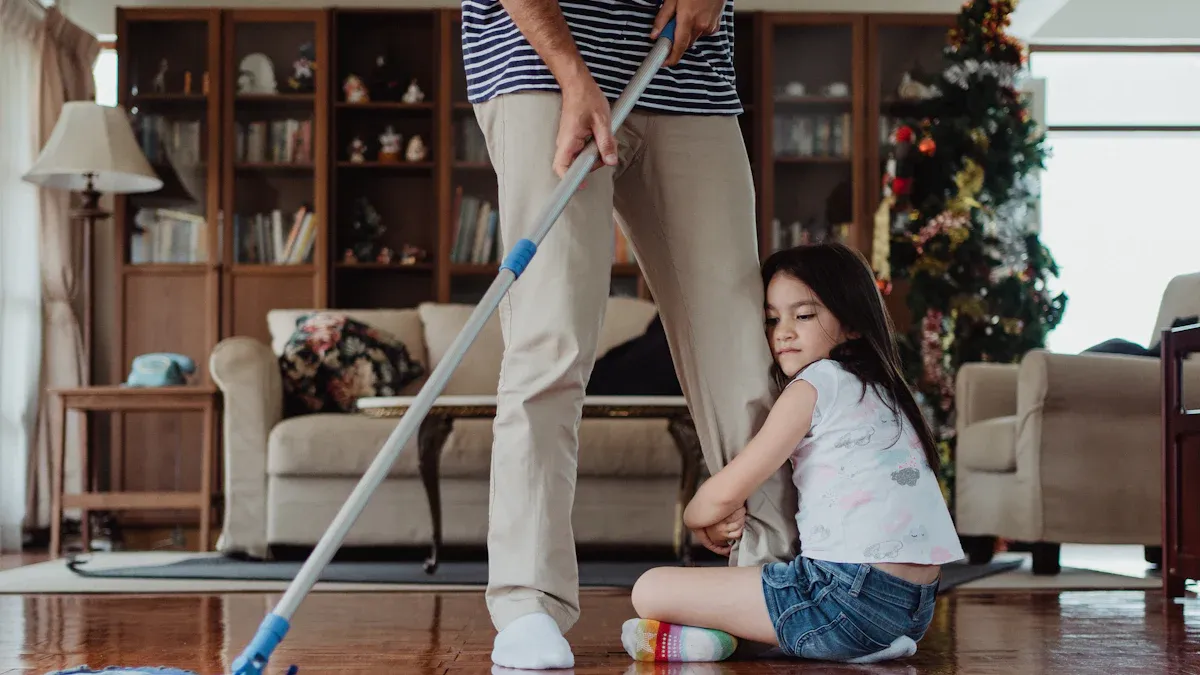
Microfiber mops offer numerous advantages that make them a superior choice for cleaning floors. Their unique fiber structure allows them to capture dirt, dust, and microscopic particles effectively. Here are some key benefits:
-
Superior Cleaning Performance: Microfiber mops achieve a microbial removal rate of up to 95%, significantly higher than the 68% rate of cotton String Mops. This efficiency stems from the small, densely packed fibers that trap dirt and debris, preventing the spread of contaminants during cleaning.
-
Eco-Friendly: These mops require less water and fewer cleaning solutions. Studies show that microfiber mops use only 5 gallons of water per 100 rooms, compared to 105 gallons for traditional mops. This reduction in water usage not only conserves resources but also minimizes chemical runoff and water pollution.
-
Longevity and Cost-Effectiveness: Microfiber Mop Heads can withstand between 250 to 500 washes, far exceeding the lifespan of cotton mops, which typically last only 6 to 12 months. This durability translates to lower long-term costs, as users spend less on replacements and laundering.
-
Improved Indoor Air Quality: Microfiber mops effectively capture allergens such as dust mites and pollen. They reduce the need for harsh cleaning chemicals, which can negatively impact indoor air quality. This feature makes them ideal for environments with high hygiene standards, such as hospitals and homes with allergy sufferers.
-
Time Efficiency: The efficiency of microfiber mops leads to reduced cleaning time. Their ability to hold up to seven times their weight in liquid allows for quicker drying times, which decreases slip hazards and downtime.
-
Versatility: Microfiber mops are lightweight and flexible, making them suitable for various floor types. They can easily access tight spaces, ensuring thorough cleaning in hard-to-reach areas.
Proper Usage Techniques

To achieve a streak-free finish with microfiber mops, users should follow a series of recommended steps. These techniques ensure optimal cleaning results while prolonging the life of the mop. Here are the essential steps to consider:
-
Dry Mop First: Begin by dry mopping the floor to remove loose dirt and dust. This initial step prevents debris from becoming smeared during the wet mopping process.
-
Dampen the Mop: Lightly dampen the microfiber mop with warm water. This helps activate the fibers, enhancing their ability to trap dirt.
-
Apply Cleaning Solution: Spray a suitable cleaning solution onto the mop head. Using the right mop and the correct amount of liquid is crucial for clean, streak-free floors. Avoid excessive cleaning detergent, as it can lead to streaking and make floors dirtier faster.
-
Mop the Floor: Mop the floor using a gentle back-and-forth motion. For different types of flooring, adjust the technique accordingly:
- Hardwood: Use a damp mop with a pH-neutral solution. Avoid excessive water and harsh chemicals.
- Tile: Apply a mild detergent, let it sit briefly, and mop in a gentle circular motion.
- Laminate: Use a dry or slightly damp mop to prevent water damage.
- Vinyl: Choose a gentle cleaner to maintain shine without stripping the protective coating.
-
Rinse as Needed: Rinse the microfiber pad when it becomes dirty. This practice maintains the mop's effectiveness throughout the cleaning process.
-
Final Rinse and Wash: After finishing, rinse the mop thoroughly and wash it in the washing machine. Microfiber mop pads should typically be washed after three light uses. For heavy-duty cleanups, they may need to be washed more frequently.
To maintain the longevity of microfiber mops, users should follow these maintenance tips:
- Regularly launder mop pads using warm water and mild detergent, avoiding fabric softeners.
- Hang mop pads to air dry or use a low-heat setting in a dryer.
- Inspect for signs of wear and replace mop heads as necessary.
- Rinse off loose dirt particles immediately after use.
- Store mop pads in a dry, well-ventilated area to prevent mildew.
By adhering to these proper usage techniques, individuals can maximize the effectiveness of microfiber mops and ensure their floors remain spotless and streak-free.
Common Mistakes to Avoid
Using microfiber mops can significantly enhance floor cleaning, but common mistakes can hinder their effectiveness. Here are some pitfalls to avoid:
-
Using Too Much Soap: Many individuals believe that more cleaning solution leads to better results. However, excessive soap can leave a sticky residue that attracts dirt, making floors appear dirtier over time.
-
Neglecting to Vacuum First: Failing to vacuum before mopping can push debris around instead of removing it. This mistake can lead to a dirtier floor and ineffective cleaning.
-
Over-Wetting the Mop: Using too much water can damage moisture-sensitive floors, such as hardwood and laminate. A damp mop is sufficient for effective cleaning without risking floor integrity.
-
Improper Mop Head Maintenance: Not cleaning the mop head properly can spread bacteria and odors. Regular washing is essential to maintain hygiene and performance.
-
Ignoring Signs of Wear: Worn-out mop pads can significantly decrease cleaning efficiency. Signs such as fraying indicate that replacement is necessary to prevent contamination and ensure optimal performance.
Improper washing techniques can also affect microfiber mop pads. For instance, using high heat can damage the fibers, reducing their absorbency. Additionally, fabric softeners can clog the fibers, impairing their ability to pick up dirt and moisture. In one hospital, improper laundering of mop heads led to a Clostridium difficile outbreak, highlighting the importance of proper cleaning methods.
By avoiding these common mistakes, users can maximize the effectiveness of their microfiber mops and maintain spotless, streak-free floors.
Recommended Microfiber Mops
When selecting a microfiber mop, consumers should consider quality, features, and price. Here are some top-rated options based on consumer reviews:
| Mop Name | Features |
|---|---|
| Rubbermaid Reveal | Lightweight, rugged, affordable, includes three machine-washable microfiber mop heads. |
| O-Cedar Twist Mop | Traditional model, effective for general cleaning. |
| Norwex Microfiber Superior Mop | Eco-friendly option, designed for superior cleaning performance. |
| O-Cedar ProMist Max Microfiber Spray | Soft microfiber pad that attracts hair and dust, gentle on delicate surfaces, priced at $35. |
High-quality microfiber mops stand out due to specific features. Consider the following characteristics when making a choice:
| Feature | Description |
|---|---|
| Microfiber Quality | High-quality microfiber has split fibers that enhance surface area for better cleaning. |
| Density | A higher GSM indicates a denser weave, improving cleaning efficacy and durability. |
| Absorbency | High-quality mops have superior absorbency, effectively trapping moisture and dirt. |
| Antimicrobial Performance | High-quality mops can remove up to 99.9% of microbes, ensuring hygiene. |
Prices for reliable microfiber mops vary widely:
| Price Range | Description |
|---|---|
| Inexpensive | Starts at around $20, includes basic models without buckets. |
| Mid-range | Ranges from $20 to $50, includes several pads and possibly a bucket with features. |
| Expensive | Starts at $50 for charging systems, with commercial models exceeding $200. |
Additionally, warranties and satisfaction guarantees can influence purchasing decisions. Notable manufacturers offer:
- Eastwood: 90-day return policy and a 100% satisfaction guarantee.
- Swopt: Lifetime warranty and satisfaction guarantee if contacted within 30 days.
- Lumber Liquidators: No warranty.
By considering these factors, consumers can choose a microfiber mop that meets their cleaning needs effectively.
Microfiber mops are essential for achieving spotless floors. Their unique design allows for superior cleaning performance, making them a favorite among users. Proper techniques and maintenance maximize their effectiveness. Regular rinsing and air-drying prevent bacteria and odors, ensuring hygiene. Investing in a good microfiber mop pays off in the long run, as they offer durability and require fewer cleaning supplies, leading to significant cost savings.
Tip: Users have reported that switching to microfiber mops not only reduces cleaning time but also enhances results, making them a worthwhile investment.
FAQ
What types of floors can I use microfiber mops on?
Microfiber mops work effectively on hardwood, tile, laminate, and vinyl floors, providing a streak-free clean without damaging surfaces.
How often should I wash my microfiber mop pads?
Wash microfiber mop pads after every three light uses or more frequently after heavy-duty cleanings to maintain hygiene and performance.
Can I use bleach or fabric softeners on microfiber mop pads?
Avoid using bleach or fabric softeners. These substances can damage the fibers and reduce the mop's effectiveness in trapping dirt and moisture.
