

 Send Email
 whatsapp


Why More Professionals Are Switching to Microfiber Cleaning Cloths?

Microfiber Towels provide exceptional cleaning capabilities. Their unique fibers trap dirt and dust effectively, making them a preferred choice among professionals. Many recognize the cost-effectiveness ofmicrofiber cleaning cloths; they significantly reduce chemical and water expenses. Furthermore, the environmental benefits of using reusable microfiber towels drive the trend toward more sustainable cleaning practices. A quick dry microfiber towel is particularly useful for those who need efficient drying solutions.
| Category | Cotton Damp Mops | Microfiber Damp Mops |
|---|---|---|
| Washings Per Mop w/out Bleach | 50 | 500 |
| Chemical Costs | $1.32/day | $0.055/day |
| Water Costs | $0.48/day | $0.02/day |
| Labor Efficiency (sq ft/hour) | 5,000 | 23,000 |
| Overall Cleanliness | 67.75% Microbe Removal | 99.9% Microbe Removal (w/ detergent cleaner) |
In addition, using a microfiber cleaning towel can enhance your cleaning routine, ensuring that surfaces are not only clean but also free from harmful residues.
Key Takeaways
- Microfiber Cloths canremove up to 99.9% of germs, making them far more effective than traditional cleaning materials.
- Switching to microfiber can save businesses significant costs, with potential annual savings of 70-85% on cleaning supplies.
- Using microfiber promotes eco-friendly cleaning by reducing chemical use and waste, but proper care is essential to minimize environmental impact.
Understanding Microfiber Towel

What is Microfiber?
Microfiber refers to a synthetic textile made from ultra-fine yarns. These fibers are typically 100 times finer than a human hair, allowing them to capture microscopic dirt and dust effectively. Microfiber towels often consist of a blend of polyester and polyamide, with the most common ratio being 80% polyester and 20% polyamide. This unique composition enhances their cleaning capabilities, making them a popular choice in various industries, including home cleaning and automotive care.
Properties of Microfiber
Microfiber towels possess several key properties that contribute to their effectiveness:
| Component | Description |
|---|---|
| Main Materials | Composed mainly of polyester (80%) and polyamide (20%) or 100% polyester in some cases. |
| Fiber Size | Typically between 0.1 and 0.5 deniers, with a diameter of less than 5 microns. |
| Strength | Fiber strength is five times that of ordinary fibers, providing high durability. |
| Water Absorption | Can absorb more than seven times its weight in water, significantly outperforming ordinary fibers. |
| Capillary Structure | Features fine gaps between microfibers, enhancing water absorption and cleaning capabilities. |
| Softness | The fibers are very soft, making them comfortable against the skin. |
| Applications | Used in various industries, including home cleaning, car maintenance, and beauty salons. |
Microfiber towels also exhibit superior moisture absorption compared to cotton. While cotton excels in sheer absorbency, microfiber dries quickly and offers convenience. The positive charge of microfiber attracts negatively charged dirt and grease, enabling effective cleaning without the need for harsh chemicals.
Cleaning professionals often misunderstand the significance of the polyester/polyamide blend and the impact of manufacturing quality on performance. Misconceptions about microfiber quality can lead to suboptimal cleaning results.
Benefits of Microfiber Cleaning Cloths
Cleaning Effectiveness
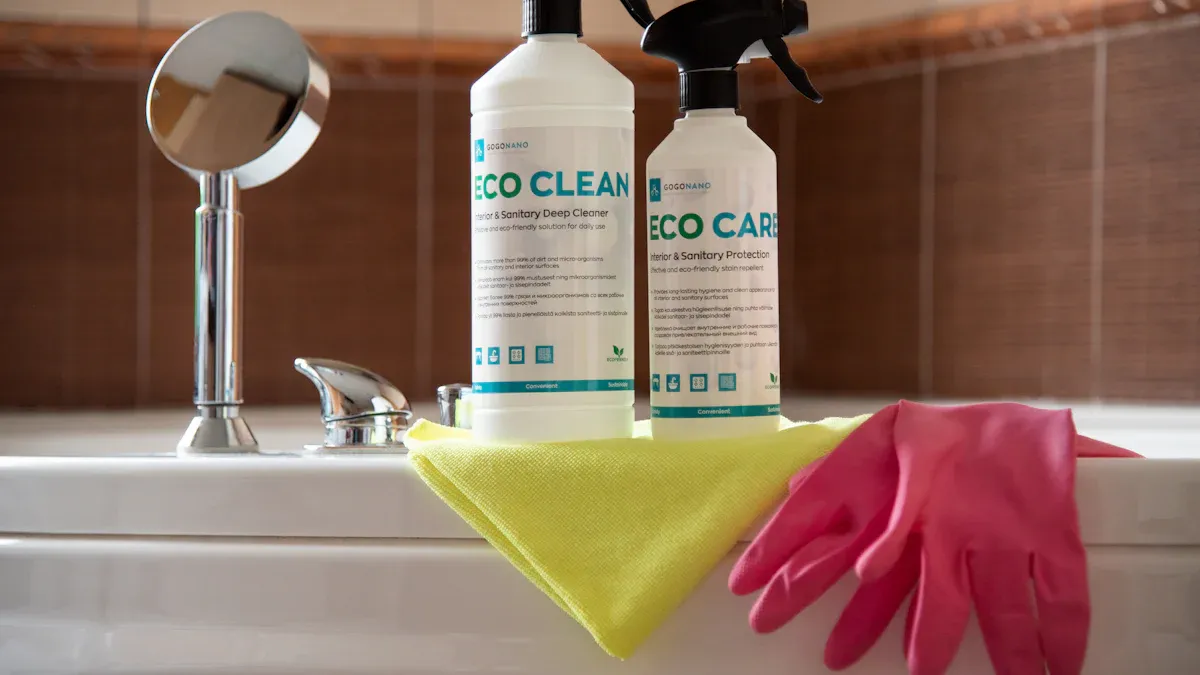
Microfiber cleaning cloths excel in their ability to remove dirt, bacteria, and viruses from surfaces. Research indicates that these cloths can eliminate up to 99.9% of germs, while traditional cloths only manage to clean about 67%. This remarkable effectiveness stems from the unique structure of microfiber, which traps and locks in contaminants rather than merely pushing them around. The fine filaments of microfiber allow it to reach into tiny crevices, enhancing its cleaning capability compared to other materials.
Laboratory evaluations further support the superiority of microfiber. Studies show that microfiber cloths effectively remove organic soil and bacteria, outperforming both traditional cloths and paper towels in reducing microbial load. However, it is essential to note that the cleaning capacity of microfiber may diminish after multiple washes, emphasizing the importance of proper maintenance.
Cost Savings
Switching to microfiber cleaning cloths can lead to significant cost savings for businesses. For instance, organizations can save approximately $2,500 annually by adopting microfiber mops and cloths due to their longer lifespan and lower replacement costs. Annual savings per site can reach 70–85% when using microfiber instead of traditional cleaning materials.
While the initial purchase cost of microfiber cloths is higher than that of cotton, their durability and efficiency result in long-term savings. Microfiber cloths can last longer with proper care, reducing the frequency of replacements. Additionally, they minimize the need for cleaning solutions, further decreasing operational costs.
Environmental Impact
The environmental impact of microfiber cleaning cloths is a double-edged sword. On one hand, they contribute to reduced chemical usage in professional cleaning. Microfiber can cut chemical usage associated with mopping by up to 90%, as these cloths can often be used without detergents or cleaning solutions. This reduction in chemical reliance promotes eco-friendly cleaning practices and lessens the environmental burden of disposable wipes.
On the other hand, microfiber does have environmental drawbacks. Washing microfiber in hot water consumes more energy than cold water, leading to increased waste. Furthermore, the washing process releases microscopic fibers into the water supply, contributing to microplastic pollution. While microfiber is more sustainable than single-use options, its environmental impact remains significant.
It is crucial for professionals to weigh the benefits of microfiber against its environmental consequences. Choosing the right cleaning materials can enhance cleaning efficiency while minimizing ecological harm.
Practical Tips for Using Microfiber Towels
Best Practices in Different Settings
Microfiber towels serve various industries, each with unique cleaning requirements. Here are some best practices tailored for specific environments:
-
Healthcare Settings:
- Consider laundry capabilities and infection risks when choosing microfiber products.
- Ensure staff receive training on cleaning processes and the importance of changing cloths frequently.
- Microfiber products are durable, absorbent, and effective for cleaning, which supports infection prevention.
- Facilities with limited laundry capacity may benefit from using disposable microfiber to prevent cross-contamination.
-
Hospitality Environments:
- Use microfiber towels to grab and hold onto dust and dirt effectively. This capability leads to quicker and more thorough cleaning of surfaces like mirrors and countertops.
- Implement a color-coded system for microfiber cloths to ensure they are used in designated areas only, reducing the risk of cross-contamination.
-
General Cleaning:
- Rotate towel use to distribute wear evenly. This practice prolongs the life of each microfiber towel.
- Store cleaning tools separately to prevent cross-contamination between different cleaning environments.
Maintenance and Care of Microfiber Cloths
Proper maintenance of microfiber towels is essential to maintain their performance and longevity. Follow these guidelines for washing and drying:
-
Washing:
- Avoid high heat when washing to prevent damage to microfiber fibers.
- Do not use fabric softeners, as they can coat the fibers and reduce absorbency.
- Wash microfiber separately from other fabrics to prevent lint transfer.
- Use a mild liquid detergent and wash on a gentle cycle to protect the fibers.
-
Drying:
- Allow microfiber to fully dry before storing to avoid mildew.
- Avoid overcrowding during drying to promote airflow.
- Store in a clean, dry space away from dirt and chemicals.
-
Replacement:
- Microfiber towels used daily or for tougher cleaning tasks may need replacement every 6 months to a year.
- For moderate use, consider replacing them every 1 to 2 years, and for light use, every 2 to 3 years.
| Usage Frequency | Replacement Frequency |
|---|---|
| Heavy Use (Daily) | Every 6 to 12 months |
| Moderate Use (Weekly) | Every 1 to 2 years |
| Light Use (Occasional) | Every 2 to 3 years |
By adhering to these best practices and maintenance tips, professionals can maximize the effectiveness of microfiber towels while ensuring a cleaner and safer environment.
Microfiber cloths significantly enhance cleaning efficiency and effectiveness. Research shows that they reduce harmful microorganisms, such as MRSA and E. coli, more effectively than traditional materials. Switching to microfiber also proves to be a smart financial decision. It lowers healthcare costs linked to harsh chemicals and prolongs surface lifespans.
Moreover, microfiber cloths offer environmental benefits. They conserve water, eliminate harsh chemicals, and reduce waste. Their reusability minimizes reliance on disposable products, promoting a safer and cleaner environment.
In summary, the transition to microfiber cleaning cloths represents a crucial step toward improved cleaning practices, financial savings, and environmental responsibility.
FAQ
What makes microfiber cloths better than traditional cloths?
Microfiber cloths trap dirt and bacteria more effectively, achieving up to 99.9% germ removal compared to only 67% with traditional cloths.
How should I wash microfiber towels?
Wash microfiber towels separately in cold water using mild detergent. Avoid fabric softeners to maintain their absorbency and effectiveness.
How long do microfiber cloths last?
With proper care, microfiber cloths can last from 6 months to 3 years, depending on usage frequency and maintenance practices.
