

 Send Email
 whatsapp


Solving Everyday Floor Cleaning Issues Using a Microfiber Strip Mop

A microfiber strip mop effectively tackles tough floor cleaning challenges. Its superior cleaning power helps maintain clean and shiny floors.Microfiber strip mops excel across various floor types, making them versatile tools for any cleaning task. Homeowners appreciate the efficiency of the microfiber mop head in addressing common issues like dust accumulation and stubborn stains. The microfiber cloth mop is particularly favored for its ability to provide a thorough clean while being gentle on surfaces.
Key Takeaways
- Microfiber strip mops provide superior cleaning power by trapping dirt and bacteria effectively, making them a better choice than traditional mops.
- Using a Microfiber Mop cansave households up to $2,500 annually due to their durability and reusability, promoting both cost savings and environmental sustainability.
- Proper maintenance of microfiber Mop Heads is essential; wash them regularly and ensure they are air-dried to extend their lifespan and effectiveness.
Benefits of Using a Microfiber Strip Mop

Superior Cleaning Power
Microfiber strip mops deliver exceptional cleaning performance, making them a preferred choice for many households. These mops utilize ultra-fine synthetic fibers that create a static charge. This charge effectively lifts dirt, dust, and bacteria without the need for heavy cleaning solutions. A study comparing the microbial removal efficacy of microfiber mops in healthcare settings found that both new and reprocessed mops exhibited similar cleaning effectiveness. This finding supports the use of microfiber strip mops over traditional mop types, as recommended by the CDC for enhanced microbial removal.
Additionally, microfiber mops are designed to trap and hold dirt and debris more effectively than traditional mops. While conventional mops often push dirt around, microfiber mops capture it, resulting in cleaner floors. Their ability to pick up tiny particles enhances their effectiveness, making them ideal for regular maintenance cleaning on various hard surfaces.
Eco-Friendly and Cost-Effective
Switching to a microfiber strip mop not only benefits cleaning efficiency but also promotes environmental sustainability. Both reusable and disposable microfiber mops reduce water and chemical usage compared to traditional mops. Reusable mops save water during cleaning, while disposable options generate significant waste due to their single-use nature. This contributes to increased solid waste, making microfiber mops a more eco-friendly choice.
Moreover, using microfiber mops can lead to substantial cost savings. Households can save up to $2,500 annually by switching from disposable mops to microfiber options. The longevity of microfiber mops, combined with their washable nature, makes them a smart investment for maintaining a clean home. They combine cost savings, hygiene, and sustainability into one effective solution.
Easy to Use and Maintain
Microfiber strip mops are designed for user convenience. They offer a more uniform application of liquid and cleaners compared to cotton string mops. This uniformity ensures consistent wiping and cleaning of surfaces, enhancing overall cleaning performance. Microfiber mops require less liquid, making them efficient in capturing dirt and dust. They outperform cotton mops in this regard, effectively capturing smaller particles and bacteria.
Maintaining a microfiber mop is straightforward. Regular cleaning of mop heads is essential. Users should rinse them thoroughly after each use and disinfect them periodically using a mild disinfectant or vinegar. Ensuring that mop heads are air-dried completely before storage prevents mold growth. Following these maintenance steps extends the lifespan of the mop, allowing it to remain an effective cleaning tool for years to come.
Practical Tips for Using a Microfiber Strip Mop
Preparing Your Floors
Before using a microfiber strip mop, proper preparation of the floors is essential. Follow these steps to ensure optimal cleaning results:
- Sweep or Vacuum First: Always sweep or vacuum the floor thoroughly to remove loose dirt, dust, and debris.
- Use the Right Cleaner: Choose a cleaner suitable for your floor type and dilute it according to the manufacturer’s instructions.
- Fill Two Buckets: Use one bucket for the cleaning solution and another for clean water to rinse the mop.
Proper Technique for Maximum Effectiveness
Employing the right technique enhances the effectiveness of a microfiber strip mop. Consider these recommendations:
- Start with the Right Posture: Keep wrists straight and avoid bending or twisting them. Hold the mop close to the body to prevent overreaching.
- Execute Using a Figure Eight Motion: Begin at the outer edges and work inward, guiding the mop in a sweeping figure-eight pattern to maintain contact with the floor.
- Change Mop Water Regularly: This practice prevents re-contaminating cleaned areas with dirty water.
- Divide the Floor into Sections: Focus on one area at a time to ensure a thorough clean.
Maintenance and Care for Longevity
To maintain the effectiveness of a microfiber strip mop, regular care is crucial. Here are some tips:
- Wash microfiber mop heads after every few uses or when they appear visibly dirty.
- Use just water for routine maintenance, as this method is eco-friendly and eliminates the need for expensive cleaning solutions.
- Ensure that mop heads are air-dried completely before storage to prevent mold growth.
By following these practical tips, users can maximize the benefits of their microfiber strip mop, ensuring clean and shiny floors with minimal effort.
Common Floor Cleaning Challenges Addressed by a Microfiber Strip Mop
Stubborn Stains and Spills
Microfiber strip mops excel at tackling stubborn stains and spills, making them an essential tool for any household. Their absorbent nature allows them to retain moisture effectively, which is crucial for removing various types of stains. For instance, they can efficiently eliminate sweat stains from sports environments, addressing marks left by players during practice sessions or games.
To manage sticky spills, homeowners should act quickly. Here are some recommended techniques:
- Wipe up spills and splatters as soon as they happen to avoid stubborn stains.
- Use gentle, non-abrasive cleaning solutions to protect floor surfaces.
After mopping with a cleaning solution, follow these steps for optimal results:
- Rinse the mop with clean, warm water.
- Use a dry microfiber cloth or mop to thoroughly dry the floors.
Cleaning in a pattern, such as an ‘S’ or ‘figure 8’, can help prevent the spreading of dirt. Additionally, using a vacuum cleaner or sweeping before mopping helps remove loose dirt, ensuring that the clean mop effectively lifts and removes dirt. For stubborn grease, sprinkling baking soda on the area before mopping can enhance cleaning effectiveness.
Dust and Allergens
Microfiber strip mops significantly improve indoor air quality by capturing dust and allergens. They can eliminate up to 98% of bacteria using just water, while traditional cotton mops only manage about 30%. The unique fiber structure of microfiber mops allows for better trapping of dirt, dust, and allergens. This efficiency makes them a preferred choice in high hygiene environments, such as hospitals, where reducing cross-contamination is critical.
Regular use of a microfiber strip mop has several benefits for indoor air quality:
- Microfiber mops effectively trap dust and allergens, preventing them from becoming airborne.
- They hold more dirt and moisture, which minimizes airborne particles during cleaning.
- Using the right cleaning solutions with microfiber mops helps avoid harmful chemicals that can degrade air quality.
Moreover, microfiber can hold up to seven times its weight in water, reducing excess cleaning solution left on floors. This minimizes off-gassing, which can negatively impact indoor air quality.
Different Floor Types: Wood, Tile, and Laminate
Microfiber strip mops perform exceptionally well on various floor types, including wood, tile, and laminate. Their absorbent and soft material prevents scratches, making them a safe choice for delicate surfaces. They effectively trap dirt and dust, enhancing hygiene in the home.
When comparing microfiber mops to traditional string or sponge mops, several advantages emerge:
- Microfiber mops require less water and cleaning solution, enhancing sustainability.
- They are easier to maneuver and can reach tight spaces, making them ideal for thorough cleaning.
For laminate floors, microfiber is consistently recommended due to its effectiveness and gentleness. Homeowners should prioritize the material when selecting a mop for laminate surfaces. The soft texture of microfiber helps avoid scratches and scuffs, ensuring that floors remain in pristine condition.
Comparison of Microfiber Strip Mop with Other Cleaning Tools
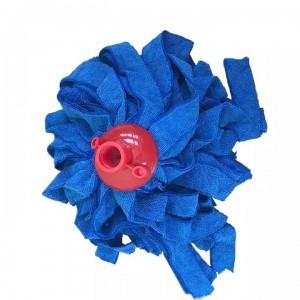
Traditional Mops vs. Microfiber Strip Mops
Microfiber strip mops outperform traditional mops in several key areas:
- Superior Dirt Trapping: Microfiber mops contain thousands of tiny fibers that effectively trap dirt and dust. In contrast, traditional mops, often made of sponge or cotton, tend to push dirt around rather than picking it up.
- Resource Efficiency: Microfiber mops require minimal cleaning solution and water, conserving resources. Traditional mops need soaking, which is wasteful.
- Quick Drying: The quick-drying nature of microfiber mops allows floors to be ready for use sooner, making them ideal for busy households.
- Health Benefits: Microfiber mops help maintain household health by effectively removing allergens and harmful particles, reducing symptoms of asthma and indoor air pollution.
User satisfaction ratings reflect these advantages, with many preferring microfiber mops for their superior cleaning performance and ergonomic benefits, which lead to less muscle soreness.
Brooms and Vacuums: When to Use Them
Brooms and vacuums serve specific purposes that complement the use of microfiber strip mops. Brooms are effective for quickly sweeping up larger debris, while vacuums excel at removing dirt and dust from carpets and rugs.
- Brooms: Ideal for outdoor spaces or quick clean-ups, brooms can efficiently gather larger particles before mopping.
- Vacuums: Best for deep cleaning carpets, vacuums minimize the risk of contaminant spread and remove dirt more effectively than mops.
Cost and Efficiency Analysis
When considering cost and efficiency, microfiber strip mops stand out. They can save households up to 90% in water and cleaning chemicals compared to traditional mops. Their durability and reusability further enhance their cost-effectiveness.
| Cleaning Tool | Cost Savings | Water Usage | Cleaning Efficiency |
|---|---|---|---|
| Microfiber Strip Mop | High | Low | Up to 99.4% |
| Traditional Mop | Low | High | About 50% |
| Vacuum Cleaner | Moderate | Moderate | High |
Microfiber strip mops offer numerous advantages for effective floor cleaning. They capture dirt and germs, removing up to 99.99% of bacteria. Their eco-friendly design reduces waste and chemical usage. Additionally, these mops work well on various surfaces, including wood, tile, and laminate.
Switching to a microfiber strip mop enhances cleaning efficiency and promotes a healthier home. This tool is a valuable addition to any cleaning arsenal, ensuring clean and shiny floors with minimal effort. 🌟
FAQ
What is a microfiber strip mop?
A microfiber strip mop is a cleaning tool made from ultra-fine synthetic fibers. It effectively traps dirt, dust, and bacteria, providing superior cleaning performance.
How often should I wash the mop head?
Users should wash the mop head after every few uses or when visibly dirty. Regular cleaning maintains its effectiveness and hygiene.
Can I use a microfiber strip mop on all floor types?
Yes, microfiber strip mops are safe for various floor types, including wood, tile, and laminate. They prevent scratches while effectively cleaning surfaces.
