

 Send Email
 whatsapp


How Microfiber Mops Help Reduce Bacteria on Floors

Microfiber Mops excel in reducing bacteria on floors due to their unique material properties. The fine structure of a microfiber mop enables superior capture of dirt and bacteria compared to traditional floor cleaning mops. Utilizing amicrofiber flat mop can significantly contribute to cleaner, healthier living environments, especially when paired with a reusable mop pad. For those in need of bulk options, a wholesale microfiber mop can be an excellent choice for maintaining cleanliness in commercial settings, making it an ideal commercial floor cleaning mop.
Key Takeaways
- Microfiber mops can remove up to 99.54% of bacteria using only water, making them far more effective than traditional cotton mops.
- Using microfiber mops reduces water usage by approximately 20 times compared to traditional mops, promoting environmental sustainability.
- Proper maintenance and washing of microfiber mops can extend their lifespan to over 500 washes, making them a cost-effective cleaning solution.
The Science Behind Microfiber Mops

What is Microfiber?
Microfiber consists of synthetic fibers, primarily made from polyester and polyamide. This unique composition provides durability and enhances cleaning effectiveness. The fibers are incredibly fine, often measuring less than one denier, which is significantly smaller than traditional mop materials.
| Property | Description |
|---|---|
| Composition | Microfiber is made from synthetic materials, primarily polyester and polyamide, providing durability. |
| Structure | Fibers are wedge-shaped with channels that increase surface area for trapping dirt and liquids. |
| Absorbency | Microfiber absorbs moisture quickly due to capillary action, making it ideal for cleaning tasks. |
| Mechanical Action | Fine fibers act like hooks, effectively lifting dirt and bacteria without harsh chemicals. |
| Antimicrobial Properties | Tightly woven fibers inhibit bacterial growth, making it suitable for hygienic cleaning environments. |
How Microfiber Traps Bacteria
Microfiber mops excel at trapping bacteria due to their unique structure. The fibers create a large surface area, allowing them to capture dirt and microbes effectively. Here are some key points about how microfiber works:
- Microfiber's structure, with millions of tiny fibers, enhances its ability to clean surfaces effectively, even without cleaning products.
- The fibers possess a slightly positive charge, which attracts negatively charged dirt and dust, facilitating their removal.
- Studies have shown that Microfiber Cloths can significantly reduce pathogens such asClostridium difficile, E. coli, and methicillin-resistant Staphylococcus aureus. One study reported a mean log10 reduction of 2.21 in bacterial load when using single-use damp microfiber cloths in healthcare settings.
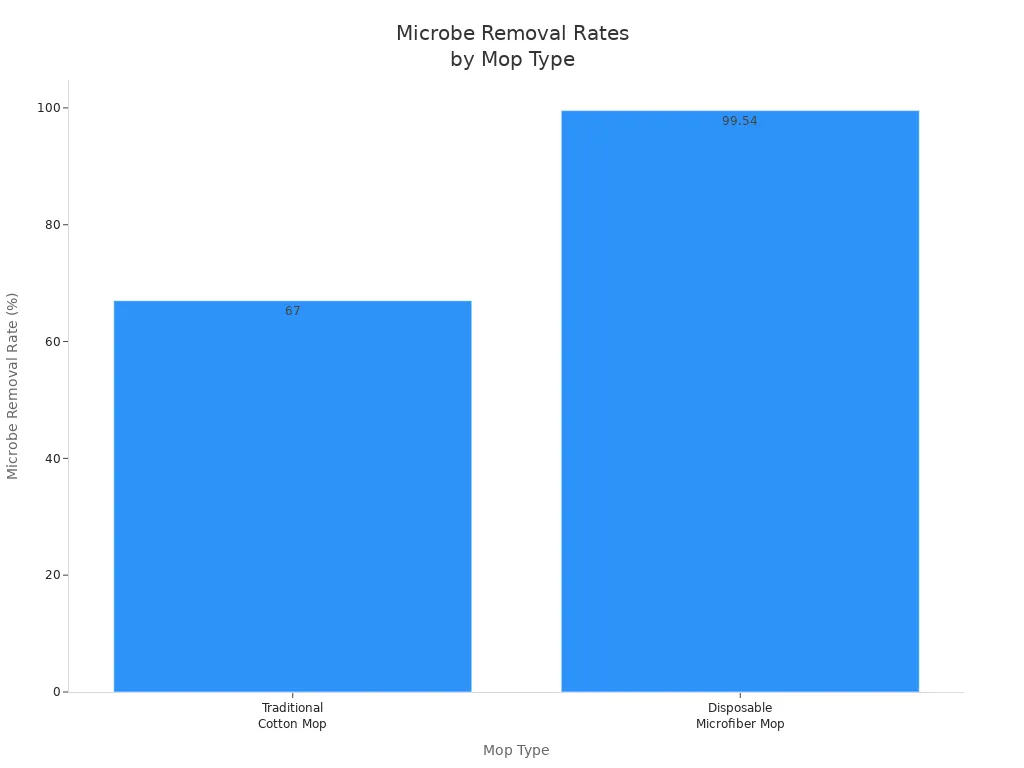
Furthermore, laboratory studies have compared the bacterial removal rates of microfiber mops to traditional cotton mops. The results indicate that microfiber mops can achieve up to 99.54% microbe removal using only water, while traditional cotton mops only manage approximately 67%, with a significant portion of bacteria being re-deposited onto surfaces.
Microfiber Mops vs. Traditional Mops
Cleaning Efficiency
Microfiber mops demonstrate superior cleaning efficiency compared to traditional mops. The unique structure of microfiber allows for effective dirt and bacteria removal. Here are some key differences:
- Microfiber mops utilize tiny fibers that effectively break up dirt, while traditional cotton mops use larger fibers, making them less efficient.
- Research indicates that microfiber mops can clean more effectively than cotton string mops.
- Microfiber mops trap dirt and debris, whereas cotton mops tend to push debris around the floor.
- The Environmental Protection Agency (EPA) reported that microfiber mops use significantly less water—approximately 5 gallons per 100 rooms—compared to traditional mops, which require about 105 gallons for the same area.
- Studies conducted in hospital settings confirmed that microfiber mops provide better cleaning and disinfection compared to cotton mops.
In controlled experiments, microfiber mops consistently outperformed traditional mops in bacteria removal. They were able to pick up dirt even after traditional mops had been used, indicating their superior bacteria removal capabilities. Additional dirt collected with microfiber mops after re-cleaning further demonstrates their effectiveness in maintaining cleanliness. These findings suggest that microfiber mops contribute to better infection control in healthcare environments.
Environmental Impact
The environmental benefits of using microfiber mops are significant. They contribute to sustainability goals by reducing water and chemical usage. Here are some notable points:
- Microfiber mops use approximately 20 times less water than traditional cotton mops.
- They require less effort and do not need harsh chemicals for effective cleaning. Remarkably, the cleaning process can eliminate up to 98% of bacteria using only water.
- The reusable nature of microfiber mops means they can be washed and used many times, reducing waste and costs.
However, it is essential to consider the environmental concerns related to the production and disposal of microfiber mops. A comparison of single-use and reusable microfiber mops reveals some critical factors:
| Environmental Factor | Single-Use Microfiber Mops | Reusable Microfiber Mops |
|---|---|---|
| Electricity Use | 90% Less | Higher |
| Chemical Use | 68% Less | Higher |
| Resource Use (Fuel) | 57% Less | Higher |
| Water Consumption | 253 Less Gallons | Higher |
| Ozone Depletion | 84% Less | Higher |
| Microplastics in Environment | 100% Less | Present |
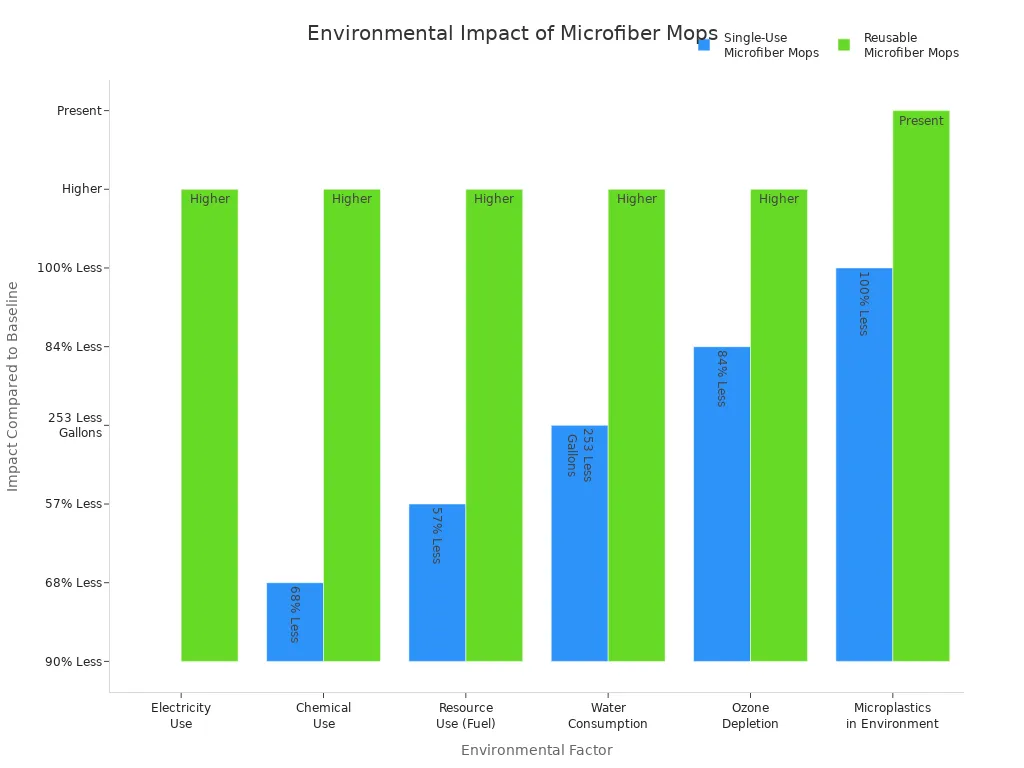
While disposable microfiber mop pads raise concerns about waste and environmental sustainability, the life cycle assessment shows that relaundered microfiber mop pads have a greater environmental impact in categories like global warming potential, water usage, and smog production compared to disposable options.
Proper Usage Techniques for Microfiber Mops
Prepping the Floor
Proper floor preparation is crucial for maximizing the effectiveness of a microfiber mop. Following these steps ensures optimal bacteria removal:
- Safety and Clearance: Set up wet floor signs and move furniture to a safe area.
- Initial Cleaning: Remove sticky substances and larger debris. Vacuum to eliminate dust and dirt.
- Mop Selection: Use a microfiber mop for better microbial removal.
- Solution Preparation: Properly dilute the cleaning solution to avoid sticky residue.
- Mopping Process: Mop in a figure-eight pattern, starting from the farthest corner, and change the solution regularly.
- Final Rinse: Rinse the floor with fresh water to remove any remaining dirt-laden water.
By following these steps, users can achieve up to a 99% reduction in bacteria, significantly outperforming traditional mops, which only achieve about 30%. Implementing a dual bucket system helps separate clean and dirty solutions, preventing bacteria from being reintroduced onto cleaned surfaces.
Mopping Technique
Using the right mopping technique enhances the bacteria-trapping ability of microfiber mops. Here are some best practices:
- Use a Flat Microfiber Mop: Choose a mop that is about 18 inches long and 4 inches wide for better coverage.
- Implement a Two-Compartment Bucket System: One bucket should contain the cleaning solution, while the other holds clean water for rinsing.
- Soak and Wring the Mop Head: Ensure the mop head is soaked in the cleaning solution, wrung out, and then placed on the floor.
- Regularly Change Mop Water: This practice prevents re-contaminating cleaned areas with dirty water.
These techniques ensure that the microfiber mop effectively picks up dirt and bacteria, maintaining a hygienic environment.
Maintenance Tips for Microfiber Mops
Washing and Care
Proper washing and care are essential for maintaining the bacteria-removing properties of microfiber mops. Following the right methods can significantly extend their lifespan and effectiveness. Here are some recommended practices:
| Washing Method | Do's | Don'ts |
|---|---|---|
| Washing Temperature | Use cold or lukewarm water | Avoid high heat |
| Detergents | Use mild liquid detergent | Avoid fabric softeners and harsh detergents |
| Washing Cycle | Use gentle or delicate cycle | Avoid aggressive washing cycles |
| Wash Load | Wash separately from lint-prone items | Don't overload the washing machine |
| Storage | Ensure items are clean and dry, store in a ventilated area | Don't store damp items in sealed containers |
Improper maintenance can lead to significant issues. For instance, one hospital experienced a Clostridium difficile outbreak due to inadequate laundering of mop heads. High heat can damage the fibers, reducing absorbency. Harsh chemicals or residual detergent can impair cleaning performance, making proper care vital.
Lifespan of Microfiber Mops
Microfiber mops typically last longer than traditional mops. Under regular use, they can endure over 500 washes, while traditional cotton mops usually last about 50 washes. This durability makes microfiber mops more cost-effective over time, despite their higher initial cost.
Several factors influence the longevity of microfiber mops:
- Material Composition: Mops made from 100% polyester offer exceptional strength.
- Maintenance Practices: Proper laundering is crucial for maintaining cleaning efficacy.
- Cleaning Conditions: Frequent exposure to water, detergents, and abrasive surfaces can lead to wear and tear.
Understanding these factors helps users maximize the lifespan of their microfiber mops, ensuring effective cleaning for years to come.
Microfiber mops provide a superior cleaning solution that effectively reduces bacteria on floors. They can eliminate up to 98% of bacteria and 93% of viruses using only water, making them essential for maintaining hygiene in various environments. Adopting microfiber mops enhances overall cleanliness and hygiene in homes and workplaces. Investing in quality microfiber mops represents a significant step towards a healthier environment.
FAQ
How often should I wash my microfiber mop pads?
Microfiber mop pads should be washed after every use to maintain their cleaning effectiveness and prevent bacteria buildup.
Can I use bleach on microfiber mops?
No, avoid using bleach or fabric softeners. These substances can damage the fibers and reduce their cleaning efficiency.
Are microfiber mops safe for all floor types?
Yes, microfiber mops are safe for most floor types, including hardwood, tile, and laminate. Always check manufacturer guidelines for specific recommendations.
